When you are building a new home, purchasing rural property, or replacing a failing system, one of the first questions that comes up is which type of septic system is right for your land. For many homeowners, the answer is straightforward. For others, particularly those on properties with challenging soil conditions, a high water table, or limited lot depth, the decision requires a closer look.
Two of the most common system types in Delaware and Maryland are the gravity septic system and the sand mound septic system. They serve the same fundamental purpose, but they work differently, cost differently, and are suited to very different site conditions.
This guide explains how each system works, what determines which one a property needs, and what to expect from the installation process.
How a Gravity Septic System Works
A gravity septic system is the most widely installed type of residential septic system. The name describes its operating principle: the system uses natural slope and gravity to move wastewater from the house to the septic tank and from the tank out to the drainfield. No pump is required.
Wastewater flows from the home into a buried septic tank, where solids settle to the bottom and liquids rise to the top. That liquid effluent then flows out of the tank through a distribution box, which splits the flow evenly across a network of perforated pipes buried in a gravel-filled trench system. From there, the effluent slowly seeps into the surrounding native soil, which filters it naturally before it reaches the groundwater.
The conditions required for a gravity system to work properly are specific. The soil needs sufficient depth, typically at least two to three feet between the bottom of the drainfield pipes and the seasonal high water table or bedrock. The soil also needs to perc (percolate) at a rate that allows effluent to absorb without pooling. And the lot needs enough suitable area to accommodate the drainfield’s required footprint, which is determined by household size and DNREC-approved soil evaluation results.
When those conditions are met, a gravity septic system is typically the most cost-effective installation option. It has fewer mechanical components than alternative systems, which also means fewer things that can wear out or require maintenance over time.
How a Sand Mound Septic System Works
A sand mound system is an above-ground alternative designed for sites where a conventional gravity system cannot meet the minimum depth and soil requirements. Rather than relying on native soil to treat the effluent, a sand mound system builds an engineered treatment bed above the existing ground level using clean, imported sand.
The system works like this: effluent from the septic tank is pumped up into the mound through a pressurized distribution network. The mound itself is constructed from a specific gradation of sand, which provides the filtering capacity the native soil cannot. As the effluent moves through the sand, it is treated before it reaches the native soil beneath the mound and eventually disperses into the groundwater.
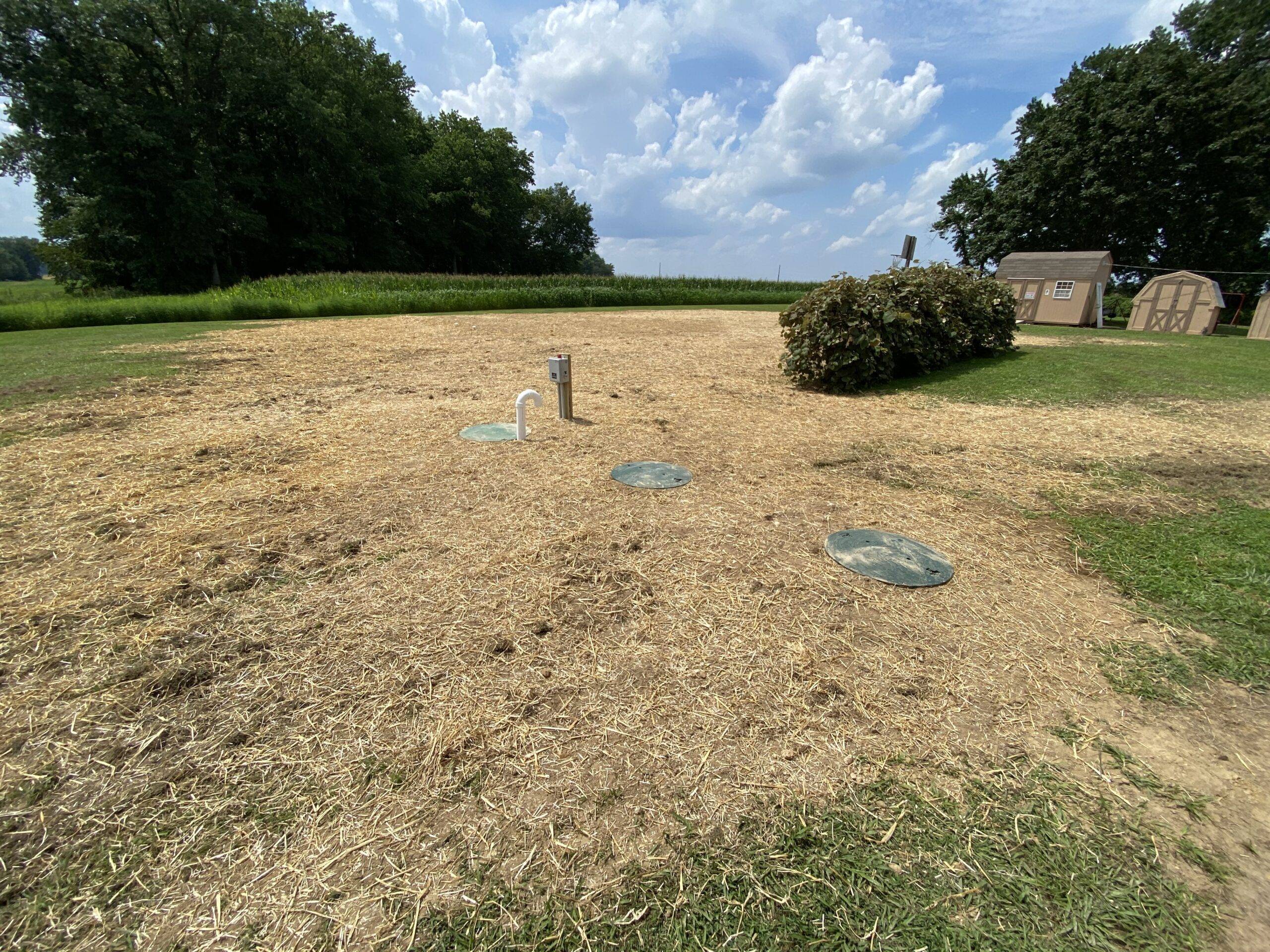
The elevated structure, typically 2 to 4 feet above grade, depending on site conditions, is what gives sand mound systems their name and their distinctive appearance in the landscape. With proper grading and seeding, the mound blends reasonably well into a residential yard over time, though it will always be a visible feature.
Sand mound systems require a pump, a pump tank, and associated controls in addition to the septic tank. This means more components to monitor and maintain, and a slightly higher long-term maintenance obligation compared to gravity systems. Our sand mound septic installation services include systems designed to DNREC specifications, sized correctly for the property, and permitted before construction begins.
Also read: How Septic Systems Work: An Illustrated Guide for Homeowners
What Determines Which System a Property Needs?
The choice between a gravity system and a sand mound is not a preference; it is determined by the physical characteristics of the land. No amount of preference for one system over the other changes what the soil and site conditions will support.
Three factors drive the determination:
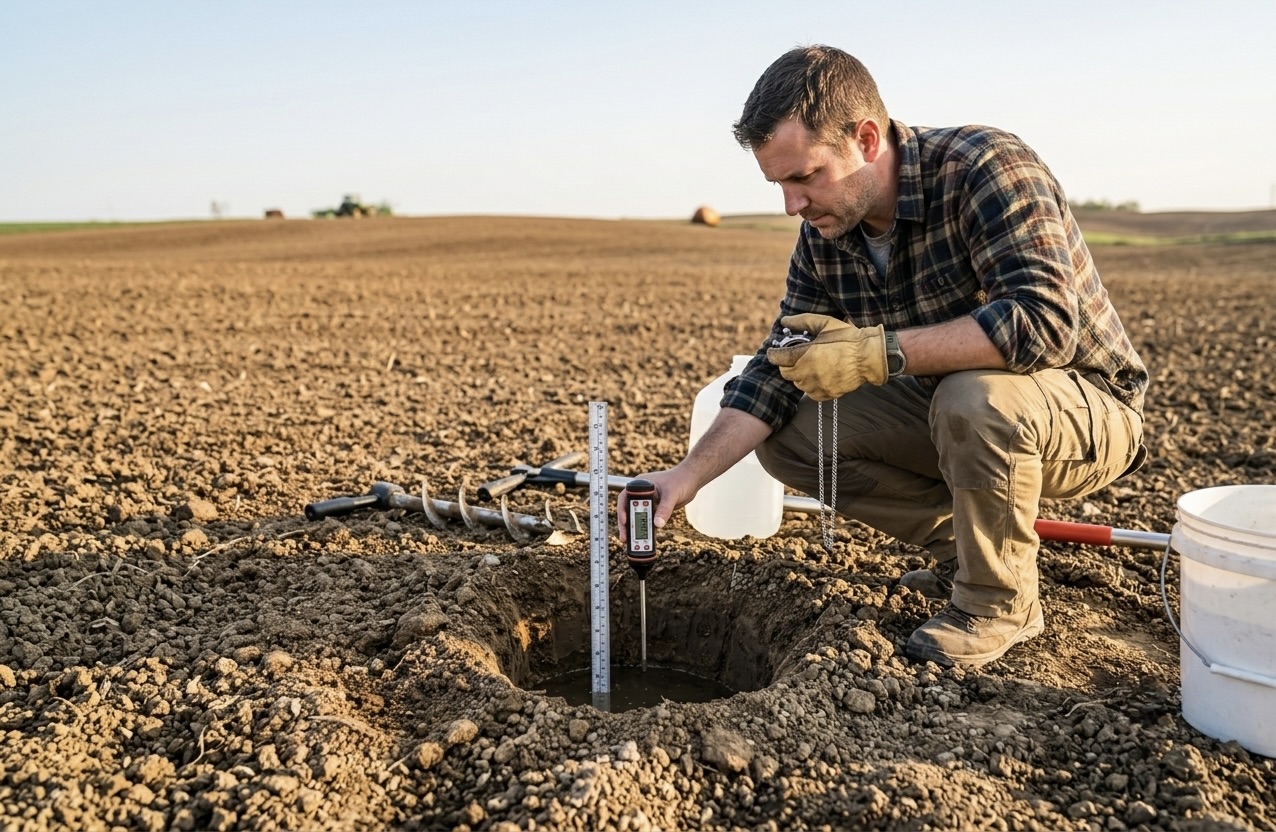
Soil percolation rate. A soil evaluation (commonly called a perc test) measures how quickly water moves through the soil. Soil that percs too slowly, common in clay-heavy soils found in parts of Kent County, Delaware, and interior Maryland, cannot handle the effluent flow rate a gravity system requires. Faster-draining sandy soils may perc adequately for a gravity system but can present their own challenges near coastal wetlands.
Seasonal high water table. The minimum vertical separation between the bottom of the drainfield and the seasonal high water table is a regulated requirement. If a property’s water table rises too close to the surface during wet seasons, a conventional gravity drainfield cannot maintain that required separation. In those cases, raising the treatment bed above grade with a sand mound resolves the depth constraint.
Depth to restrictive layers. Bedrock, hardpan clay, or other restrictive subsurface layers limit how deep a drainfield can be installed. When these layers are encountered at shallow depths, a gravity system may not be feasible.
In Delaware, DNREC oversees the permitting and approval of all onsite wastewater systems. A licensed installer must perform a site evaluation, submit the results, and receive a permit before any system is installed. This process protects both the property owner and the surrounding environment, and it is why the determination of which system you need is not something that can be resolved by preference or budget alone.
Properties in Sussex County, Delaware frequently encounter high water table conditions due to coastal proximity, which is why sand mound systems are common in that area. In Kent County and more inland areas, gravity systems are more widely feasible, though site-specific evaluation is always required.
Cost and Long-Term Maintenance Considerations
Installation cost is a genuine factor for most homeowners, and it is worth understanding where the differences come from.
A gravity system is less expensive to install primarily because it requires fewer components and less excavation. There is no pump, no pump tank, no pressurized distribution system, and no imported sand to bring in and build up. In general, installation and design costs for a gravity system are lower than for a sand mound on a comparable-sized lot.
A sand mound system involves more materials, more labor, and more engineered components. The pump and pump controls add cost at installation and create an ongoing maintenance obligation. Pump floats and controls should be inspected periodically, and the pump itself has a finite lifespan that will eventually require replacement.
That said, a sand mound system installed correctly and maintained properly is a long-term, reliable solution for sites that need it. The alternative, attempting to install a gravity system on a site that cannot support one, leads to premature drainfield failure, regulatory issues, and repair costs that far exceed the initial savings.
The right system is the one that works correctly for your specific property. A professional septic system design evaluation is the starting point for getting that determination right.
Also read: Septic Tank Odors, Diagnosing Indoor vs. Outdoor Smells
What to Expect from the Installation Process
Whether a gravity system or a sand mound is the right fit for your property, the installation process follows a defined sequence.
It begins with a site evaluation: soil borings, a perc test, and an assessment of water table depth and lot constraints. This data is submitted to DNREC (for Delaware properties) or MDE (for Maryland properties) as part of the permit application. The permit must be approved before any excavation begins.
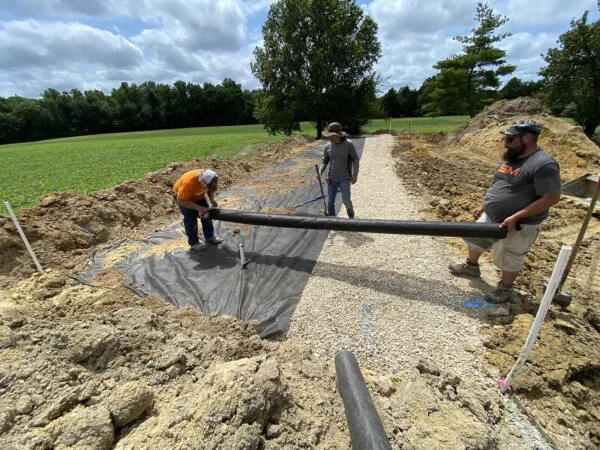
Once permitted, installation for a gravity system involves excavating the tank location and drainfield trenches, placing the tank and distribution box, and laying the drainfield pipe in gravel. For a sand mound, the process additionally involves grading the site, bringing in engineered sand, constructing the mound to specified dimensions, installing the pump and distribution network, and finishing the surface with topsoil and seed.
After installation, final inspection by the permitting authority confirms the system was built to plan before the property owner takes possession. Our septic system installations are backed by a warranty and completed in full compliance with state requirements, so you know exactly what was built and how it was approved.
Conclusion
The type of septic system a property needs is not a matter of preference; it is determined by the land itself. Soil conditions, water table depth, and DNREC permitting requirements all factor into the decision, and installing the wrong system or skipping the evaluation stage leads to problems that cost significantly more than getting it right the first time. Whether your property calls for a gravity system or a sand mound, what matters is that it is properly designed for your specific site, installed by licensed professionals, and built to last. If you are building on a new lot, replacing a failing system, or purchasing property in Delaware or Maryland and want to understand what you are working with, Septic Masters handles everything from septic system design and soil evaluation through full installation. Call us at +1 302-861-0433 or request a consultation online.