Most homeowners know they have a septic tank. Far fewer realize that the tank is only half the story.
The other half, the part that quietly does most of the long-term work, is the leach field. Also called a drainfield, it is the stretch of ground where your septic system releases and filters wastewater before it returns to the environment. When it is working properly, you will never think about it. When it starts to fail, it becomes the most expensive repair your system can require.
Understanding how your leach field works, what puts it at risk, and what early warning signs look like can save you from a problem that builds slowly but resolves expensively. This guide covers all of it.
What Is a Leach Field and How Does It Work?
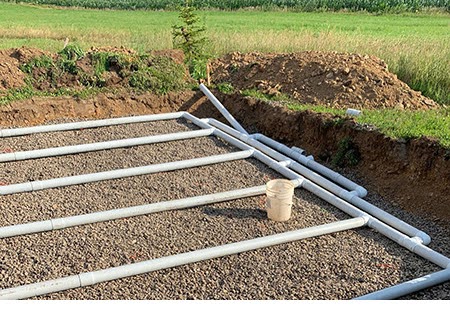
A leach field is a network of perforated pipes buried in a bed of gravel beneath your yard. After solids settle in your septic tank and liquids (called effluent) move out of the tank, they travel through those pipes and slowly seep into the surrounding soil.
The soil does the real treatment work. As the effluent filters through the layers below the pipes, bacteria and other microorganisms in the soil break down harmful pathogens and nutrients before the water reaches the groundwater table. It is a natural, continuous process but one that depends entirely on the soil remaining healthy and uncompacted.
Here is what many homeowners do not realize: the leach field has no moving parts and no way to signal a problem early. Damage builds up invisibly over time. By the time you see standing water or notice odors in the yard, the system has already been struggling for months.
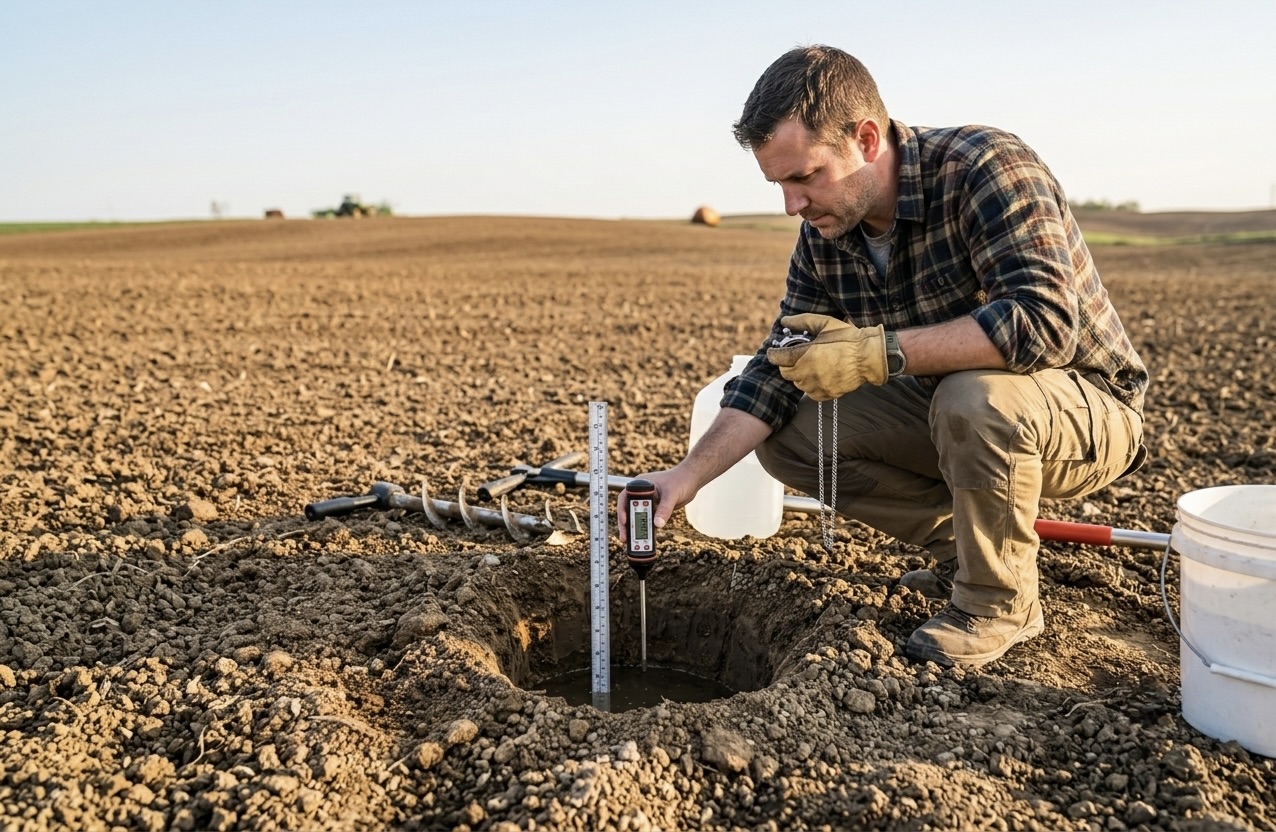
The size and type of leach field installed on your property depend on your soil type, lot size, and local regulations set by Delaware’s DNREC or Maryland’s MDE. Properties in coastal areas, near wetlands, or on lots with poor percolation may require alternative system designs to protect both the system and the surrounding environment.
What Can Damage a Leach Field?
Leach field damage rarely happens all at once. It accumulates, often because of habits that seem harmless but put steady pressure on the system over time.
Solid buildup from infrequent pumping is the most common cause of drainfield problems. When a septic tank goes too long without being pumped, accumulated solids begin to overflow into the effluent and travel out to the drainfield. Those solids clog the perforated pipes and the gravel bed beneath them. Once clogging sets in, the soil’s ability to absorb and filter effluent is compromised, and recovery is difficult. Keeping up with routine septic pumping is the single most effective way to protect your drainfield from this type of damage.
Soil compaction is the second most common issue. Parking vehicles, storing heavy equipment, or allowing regular foot traffic over the drainfield compacts the soil above the pipes. Compacted soil cannot absorb effluent at the rate it needs to. Over time, this causes the system to back up or surface water to pool above the field.
Excess water loading can overwhelm the system’s capacity. Running multiple appliances simultaneously, doing back-to-back loads of laundry, or having a high number of occupants in the home for an extended period all send more water into the tank than the drainfield can process at one time. In Delaware and Maryland, heavy spring and fall rainfall can also saturate the soil around the drainfield, temporarily reducing its absorption capacity.
Root intrusion is a slower problem, but a significant one. Tree and shrub roots naturally seek out moisture, and the consistent moisture near septic pipes makes them a target. Roots can infiltrate pipe joints, crack pipes, and disrupt the gravel bed over several years.
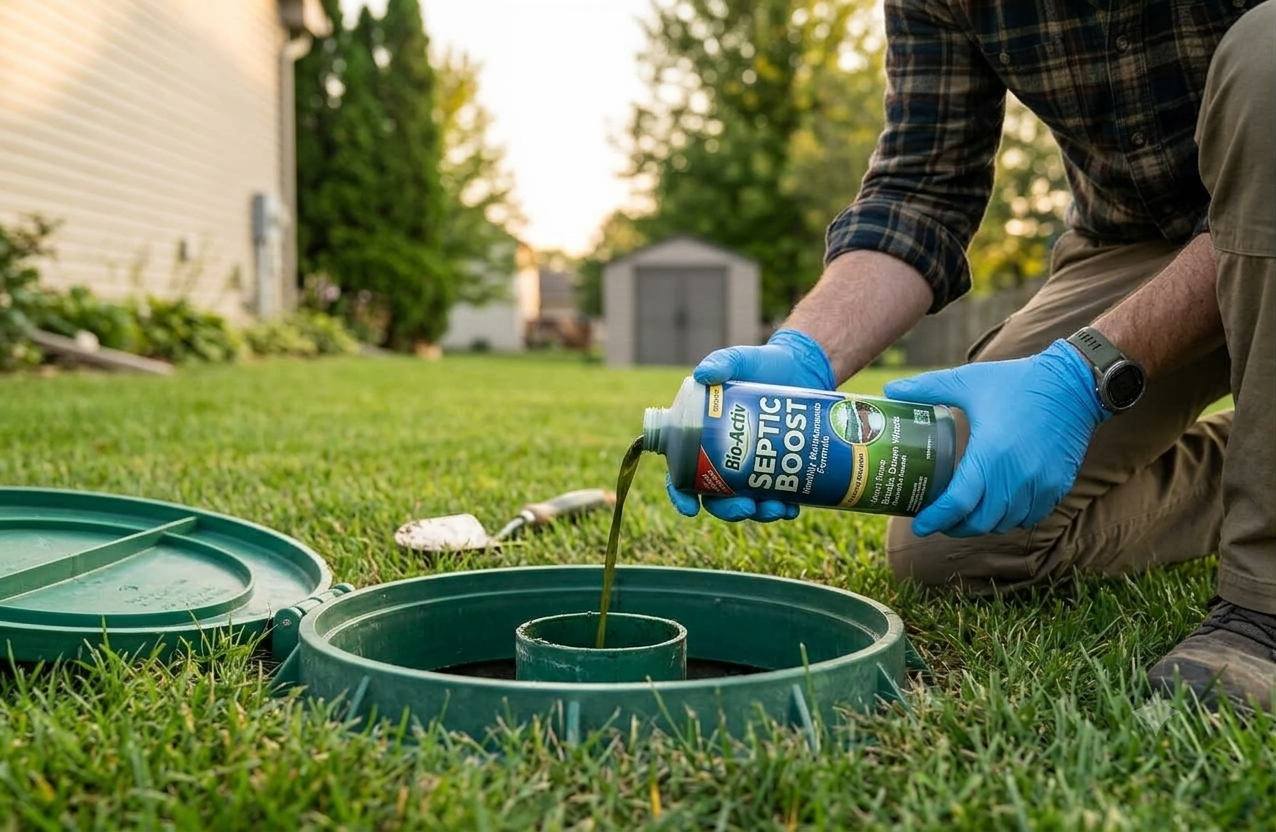
The wrong products going down the drain also play a role. Grease, harsh chemical cleaners, antibacterial soaps used in heavy volume, and non-biodegradable wipes all affect the bacterial balance inside the septic tank. When the bacterial population in the tank is disrupted, solids do not break down properly, and the risk of overflow into the drainfield increases.
Warning Signs Your Leach Field May Be Struggling
The signs of a leach field problem are worth recognizing early. Catching an issue at the first indication is significantly less costly than waiting until the system backs up or fails entirely.
Watch for:
- Slow drains throughout the home, not just one fixture, but multiple drains moving slowly at the same time
- Gurgling sounds from toilets or drains, particularly after using water elsewhere in the house
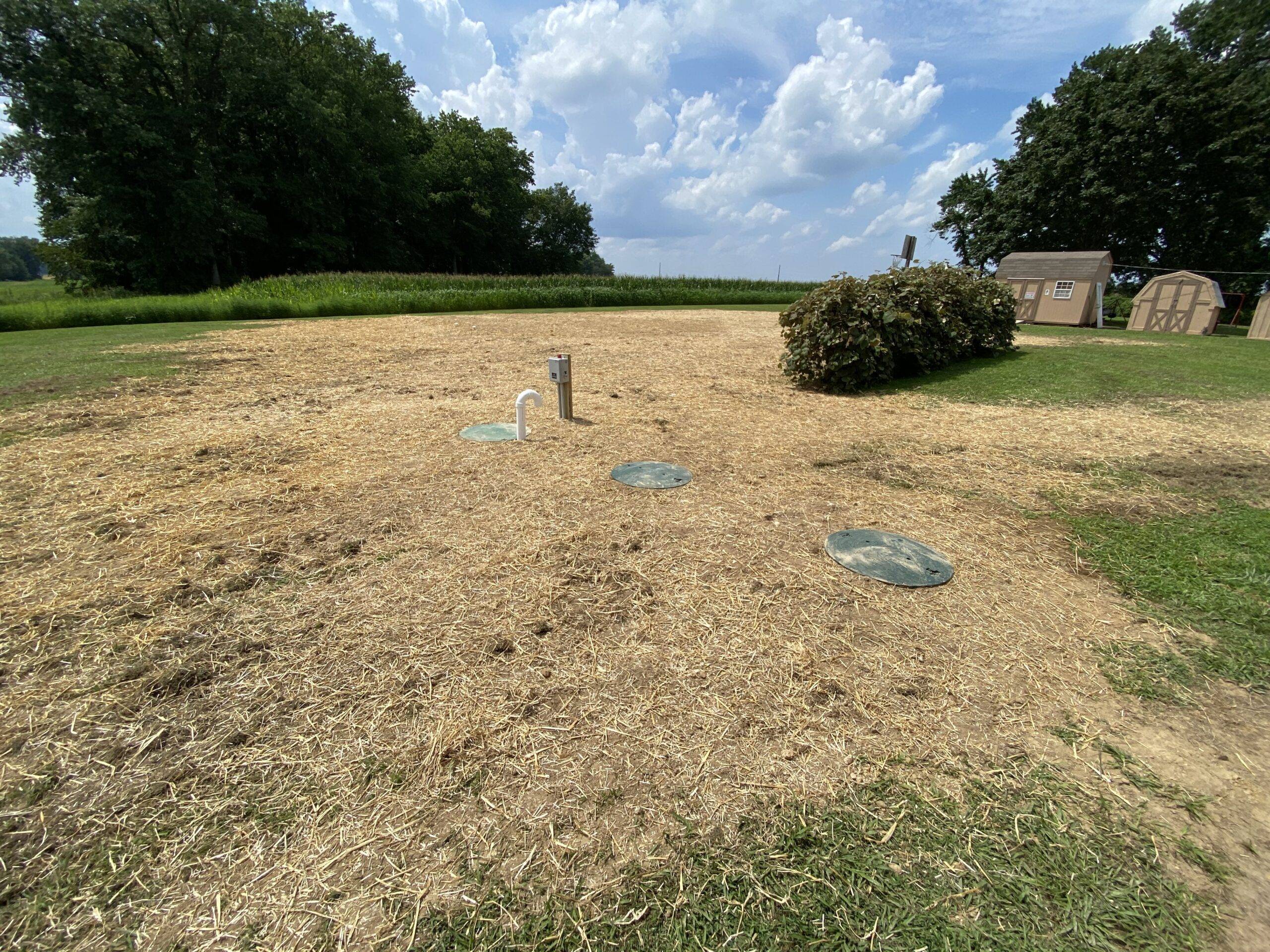
- Wet or spongy ground over the drainfield area, even during dry weather
- Unusually green or lush grass growing over the drainfield; this can indicate effluent surfacing and fertilizing the grass from below
- Odors outdoors near the drainfield or around cleanout access points
- Sewage backup inside the home, particularly in lower-level fixtures like basement drains or ground-floor toilets
Any one of these signs warrants a professional inspection. A combination of them suggests the system needs immediate attention. Our team provides septic tank repairs and system evaluations across Delaware and Maryland, and early intervention almost always results in a more manageable repair than waiting.
How to Protect Your Leach Field
Most leach field problems are preventable with consistent, straightforward maintenance habits. The goal is to reduce the stress placed on the system so it can do its job effectively year after year.
Pump your septic tank on schedule. For a typical household, this means every three to five years, though the right interval depends on tank size and the number of occupants. Staying on schedule keeps solids from migrating into the drainfield.
Spread out water use throughout the day. Rather than running the dishwasher, washing machine, and shower at the same time, stagger those activities. Giving the system time to process between heavy-use periods reduces the load on the drainfield at any one moment.
Keep the drainfield area clear. Do not park vehicles on it, plant deep-rooted trees or shrubs nearby, or allow construction equipment to cross it. Even a single episode of heavy compaction can cause lasting damage.
Use water-conserving fixtures. Low-flow toilets and showerheads reduce the daily volume sent to the system without changing how your home functions.
Be mindful of what goes down the drain. Cooking grease, coffee grounds, medications, chemical drain cleaners, and so-called “flushable” wipes all have a negative effect on the bacterial environment inside your tank. Keeping these out of the system protects both the tank and the drainfield downstream.
For homeowners in Sussex County, Delaware and other coastal areas, it is also worth knowing that DNREC has specific setback requirements and maintenance expectations for systems near wetlands and waterways. Staying in compliance protects your property and the surrounding environment.
When the Leach Field Needs Professional Evaluation
Some situations call for more than maintenance. If you notice any of the warning signs listed above, or if your system is more than 20 years old and has not been recently inspected, a professional evaluation is the right next step.
An experienced technician can assess the condition of the drainfield, check for pipe damage or clogging, and evaluate whether the issue is correctable through repairs or whether a system upgrade is warranted. In some cases, a failing drainfield can be restored. In others, the situation calls for a new septic system installation designed specifically for your property’s soil conditions and usage needs.
Early evaluation keeps options open. The longer a drainfield problem goes unaddressed, the fewer and more expensive those options become.
Conclusion
Your leach field works quietly in the background, and most homeowners never think about it until something goes wrong, by which point the problem has usually been building for some time. Staying on a regular pumping schedule, protecting the drainfield from compaction, and knowing the early warning signs are the habits that keep small issues from becoming expensive ones. If you have concerns about your leach field, notice any of the signs covered in this post, or simply want a professional inspection of a system that has not been looked at recently, Septic Masters is here to help. We serve homeowners across Delaware and Maryland with septic pumping, inspections, repairs, and full system installations, all performed by licensed professionals with 42 years of combined experience. Call us at +1 302-861-0433 or schedule a service visit online.