Tens of thousands of Delaware homes rely on a septic system instead of public sewer, and if the home you are buying is one of them, a Class H septic inspection will be part of your closing. Delaware regulations require that when a property with an on-site wastewater system changes ownership, the system is pumped out and inspected by state licensed professionals before the sale is complete.
That sounds like one more hurdle between you and your keys. In practice, it is one of the best consumer protections a buyer has. This guide explains what a Class H septic inspection is, what it covers, what happens if the system fails, and how to keep the process from delaying your settlement.
What Is a Class H Septic Inspection?
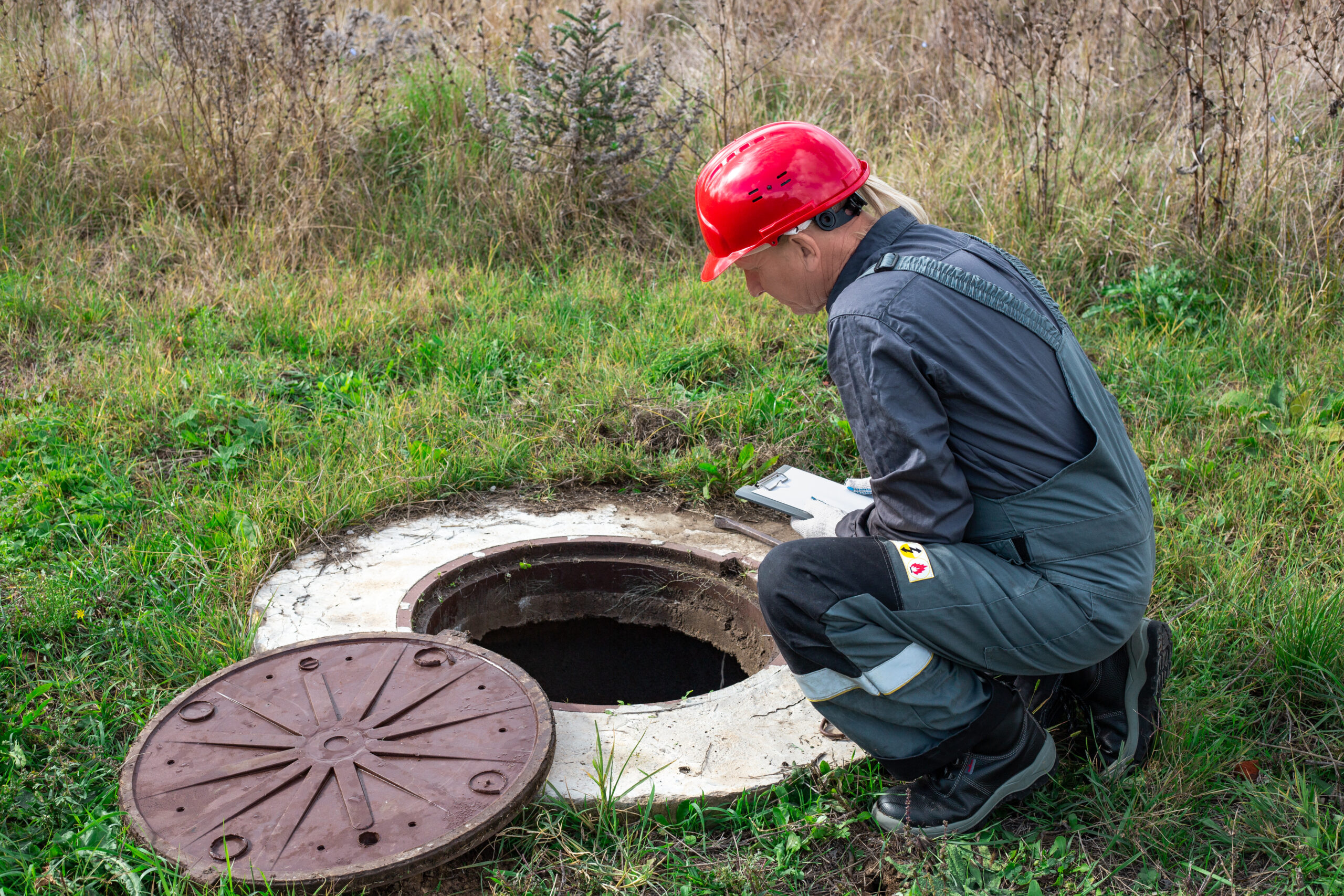
A Class H septic inspection is an evaluation of an on-site wastewater treatment and disposal system performed by an inspector holding a Class H license from DNREC, the Delaware Department of Natural Resources and Environmental Control. Class H is the specific license class DNREC issues for system inspections tied to property transfers.
The inspection produces a written report on the age, configuration, and condition of the entire system, from the tank itself to the drain field. Buyers, sellers, realtors, and lenders all rely on that report to understand exactly what is in the ground before money changes hands.
Is a Septic Inspection Required When Buying a Home in Delaware?
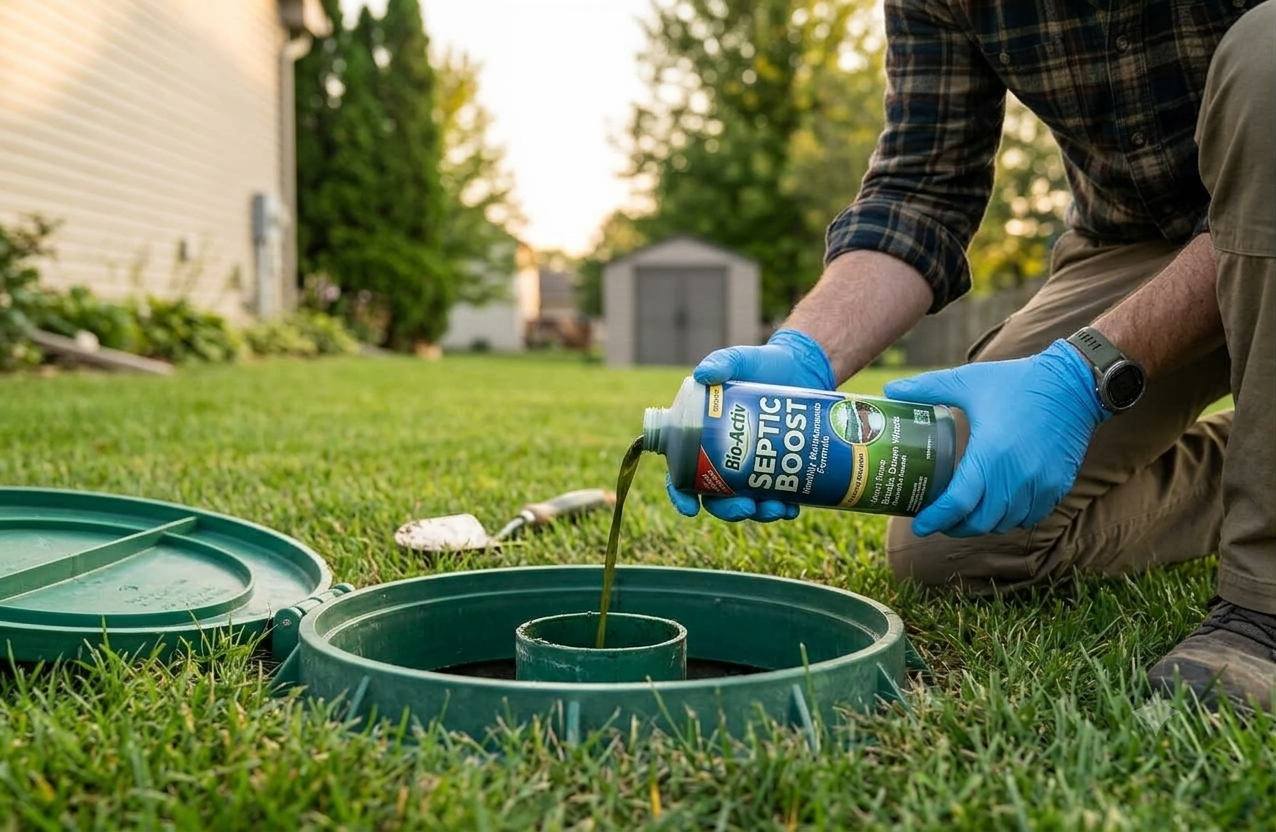
Yes. Under Delaware regulations, a property served by an on-site wastewater system must have the septic tank pumped out by a Class F licensed pumper and the system inspected by a Class H licensed inspector as part of the transfer of ownership. The pump-out and inspection typically happen in a single visit, since an empty tank is the only way to properly evaluate its interior.
This is why buying a home with a septic system in Delaware works a little differently than in states where inspections are optional. The inspection is not just a smart precaution here. It is part of completing the sale.
What Does a Class H Inspection Cover?
A thorough Class H inspection evaluates every major component of the system:
- Tank integrity. The inspector checks the tank structure for cracks, deterioration, and signs of leaking, along with the age, size, and location of the tank.
- Inlet and outlet baffles or tees. These keep solids in the tank and out of your drain field. Damaged baffles are one of the most common findings.
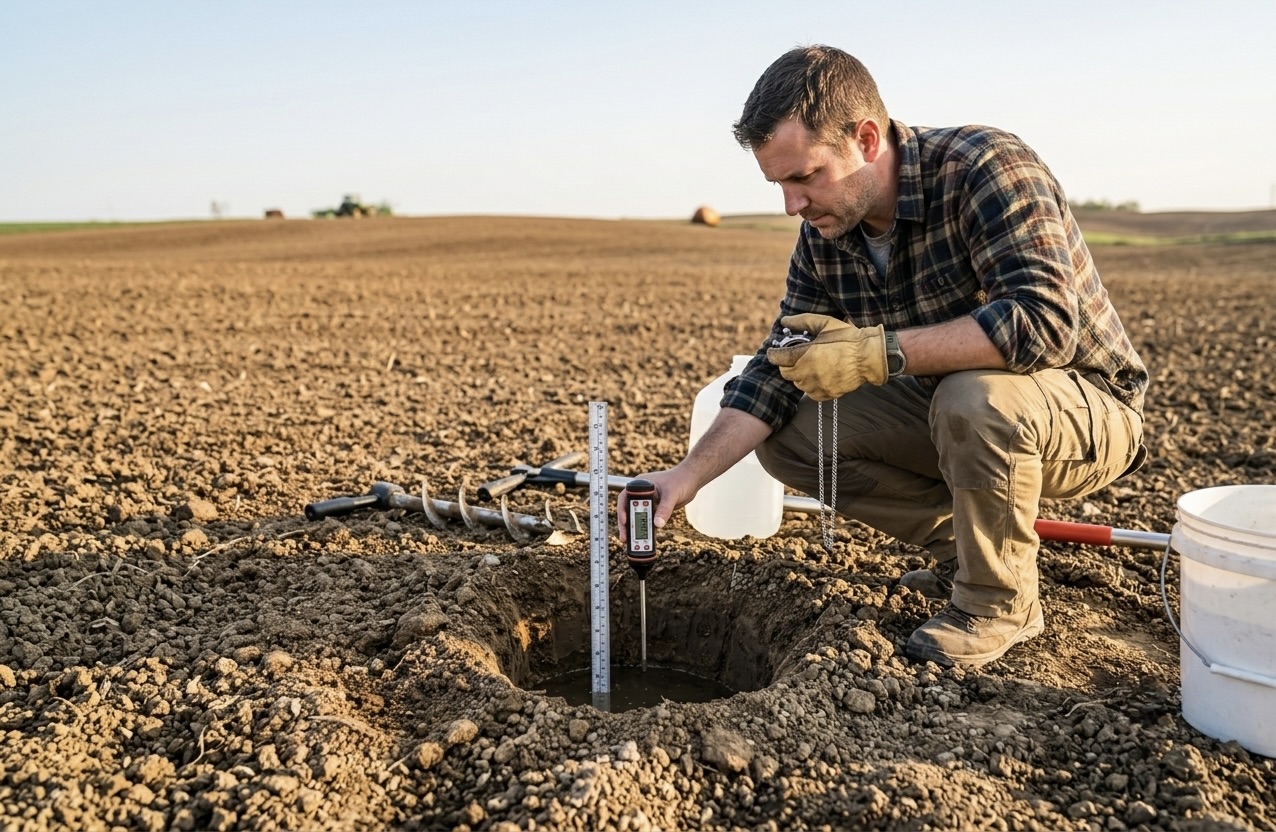
- Sludge and scum levels. Measured before the pump out, these show how well the system has been maintained.
- Flow verification. Water is run through the home to confirm wastewater moves through the system the way it should.
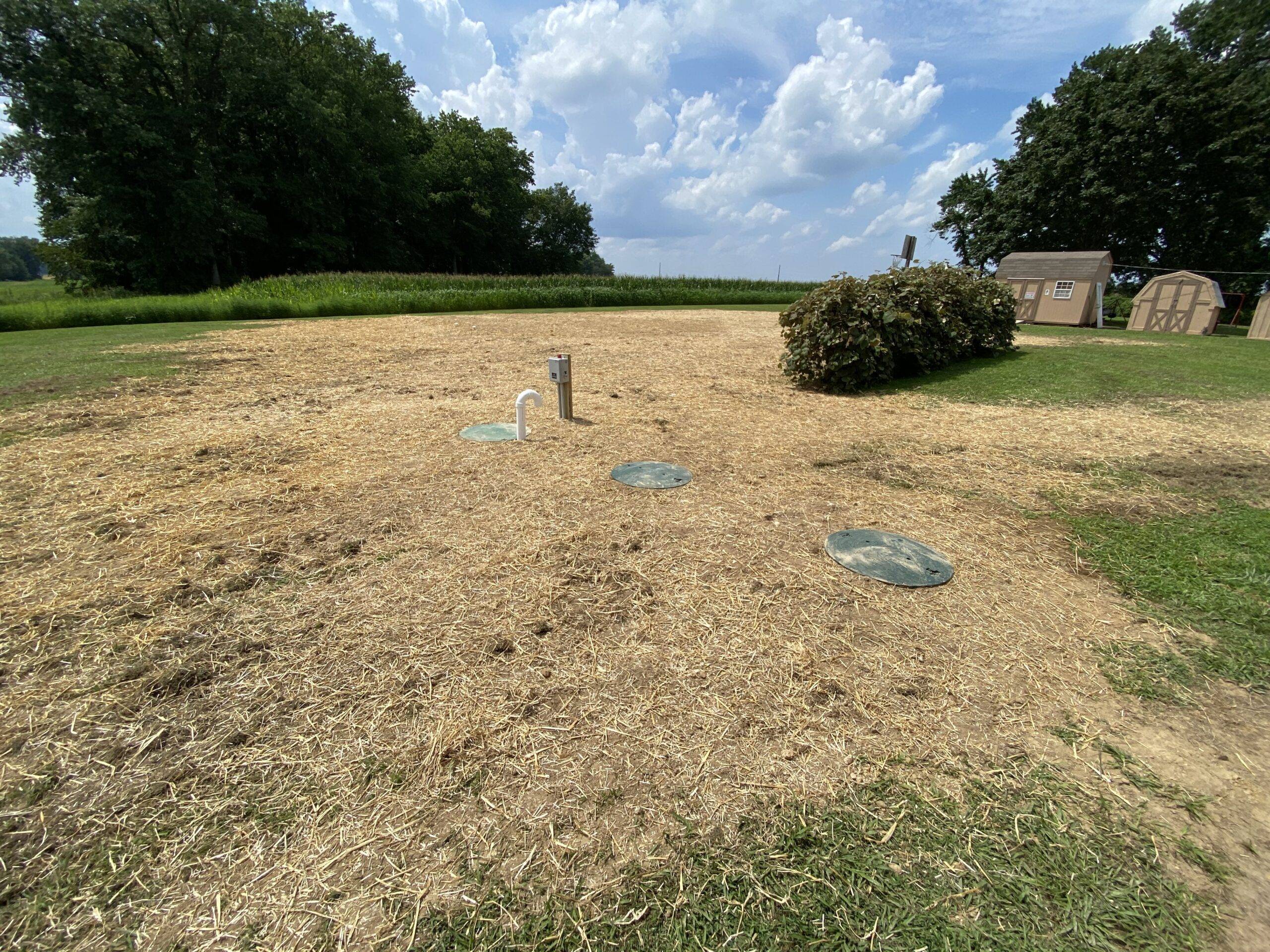
- Drain field condition. The absorption area is checked for surfacing wastewater, saturation, and other signs of failure.
- Distribution components. Distribution boxes, pumps, and conveyance lines are assessed where the system includes them.
Everything is documented in a written report that addresses both functioning and non-functioning components, ready for your settlement file.
Also Read: What Really Happens During a Septic Tank Inspection? A Complete Homeowner’s Guide – A step by step walkthrough of the inspection process itself.
What Happens If the Septic System Fails Inspection?
A failed Class H inspection does not have to kill the deal. The report will spell out exactly what failed and why, which gives everyone a factual basis to negotiate from. Common outcomes include:
- The seller completes the repairs before settlement
- The buyer negotiates a credit or price reduction to cover the work
- For serious failures, the parties agree on a full system repair or replacement plan with DNREC permitting handled before or after closing
Minor findings, such as a damaged baffle, are often quick fixes. Major findings, such as a failed drain field, are exactly what you want to discover before you own the problem. Our team handles both the inspection and any required septic tank repairs, which keeps your transaction timeline in one set of hands.
Tips for Delaware Home Buyers
- Schedule early. Book the inspection as soon as your offer is accepted. Spring and summer settlement seasons fill inspector calendars fast.
- Read the full report, not just the summary. An aging but passing system still tells you what expenses are coming in the next five years.
- Ask for maintenance records. Pump out receipts and repair invoices show whether the system was cared for or ignored.
- Confirm who pays. Responsibility for the inspection and any repairs is negotiated in your contract of sale, so settle it in writing up front.
- Budget for ongoing care. Plan on routine pumping every 3 to 5 years once you own the home, adjusted for your household size.
Also Read: Buying Land? Here’s What You Need to Know About Installing a Septic System
Why Delaware Home Buyers Trust Septic Masters
Septic Masters is a licensed septic contractor serving all three Delaware counties, with Class H septic inspections performed by certified inspectors and documentation prepared for your closing. Our team brings 42+ years of combined experience and a 4.9 star Google rating across more than 120 reviews.
Because we also provide septic pumping services and full repairs across Delaware and Maryland, the required pump out, the inspection, and any follow up work can all be scheduled through one call instead of three contractors.