
Every homeowner with a septic system must understand what a septic tank inspection involves and why it’s so essential overall. Septic systems quietly treat your home’s wastewater, ensuring it’s processed properly and doesn’t harm your home or the environment. This guide walks you through the septic inspection process for homeowners step by step, explaining what happens during a septic tank inspection, what inspectors look for, how often inspections are needed, and what a septic tank inspection costs in Delaware and Maryland. When your septic tank inspection is skipped, small issues grow into big problems that can cost thousands of dollars to repair later.
Why Is a Septic Tank Inspection So Important?
A septic tank inspection ensures your system works efficiently, prevents health hazards, and helps avoid catastrophic and expensive failures. When neglected, your system can leak or overflow, releasing harmful bacteria and wastewater into your home and the surrounding environment. Septic system inspections should be done every three to five years, depending on the size and usage of your system, and always before buying or selling a home with a septic system. Inspections also ensure compliance with local health codes and regulations, which is especially important during property transactions or rentals.
A septic tank inspection before buying a house protects buyers from inheriting hidden repair costs that can run into the tens of thousands of dollars. At Septic Masters, we believe prevention always beats emergency intervention. Regular checks keep your system healthy and your home safe.
Types of Septic Tank Inspections
There are mainly two types of inspections: visual inspections and full inspections, depending on how in-depth you want to go. A real-estate-grade septic tank inspection before buying a house almost always requires the full inspection, and in Delaware, that includes a DNREC-approved Class H inspection.
Visual Septic Inspection
A technician checks your home’s indoor and outdoor plumbing to make sure everything flows correctly and no clogs are present. They’ll flush toilets, run faucets, and check for surface signs like pooling water or bad smells in your drain field.
Full Septic Inspection
A full inspection includes everything in the visual inspection, but adds opening the tank and checking its internal health thoroughly. Technicians examine the tank’s structure, measure sludge levels, check baffles, and inspect the outlet pipe and distribution box system. Advanced tools like sewer cameras may be used to inspect pipes without digging, saving time, money, and unnecessary property damage.
What Happens During a Septic Tank Inspection: A Step-by-Step Process Explained
Let’s walk through the process so you know exactly what to expect when scheduling an inspection with Septic Masters for your septic tanks.
Step 1: Initial Surface Assessment
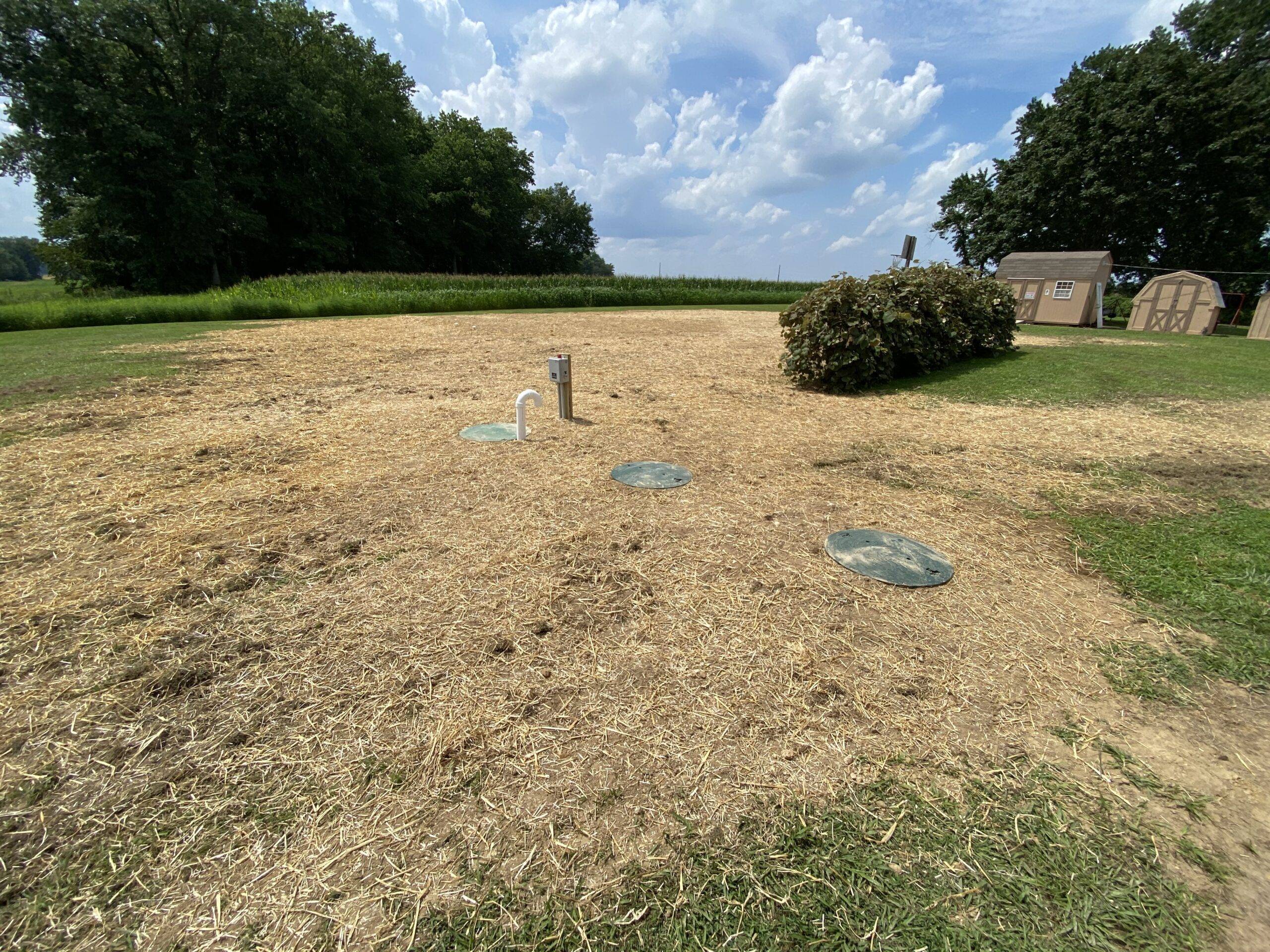
Technicians start by surveying the area around the tank and drain field for signs of overflow, odor, or wastewater pooling nearby.
Step 2: Accessing the Septic Tank
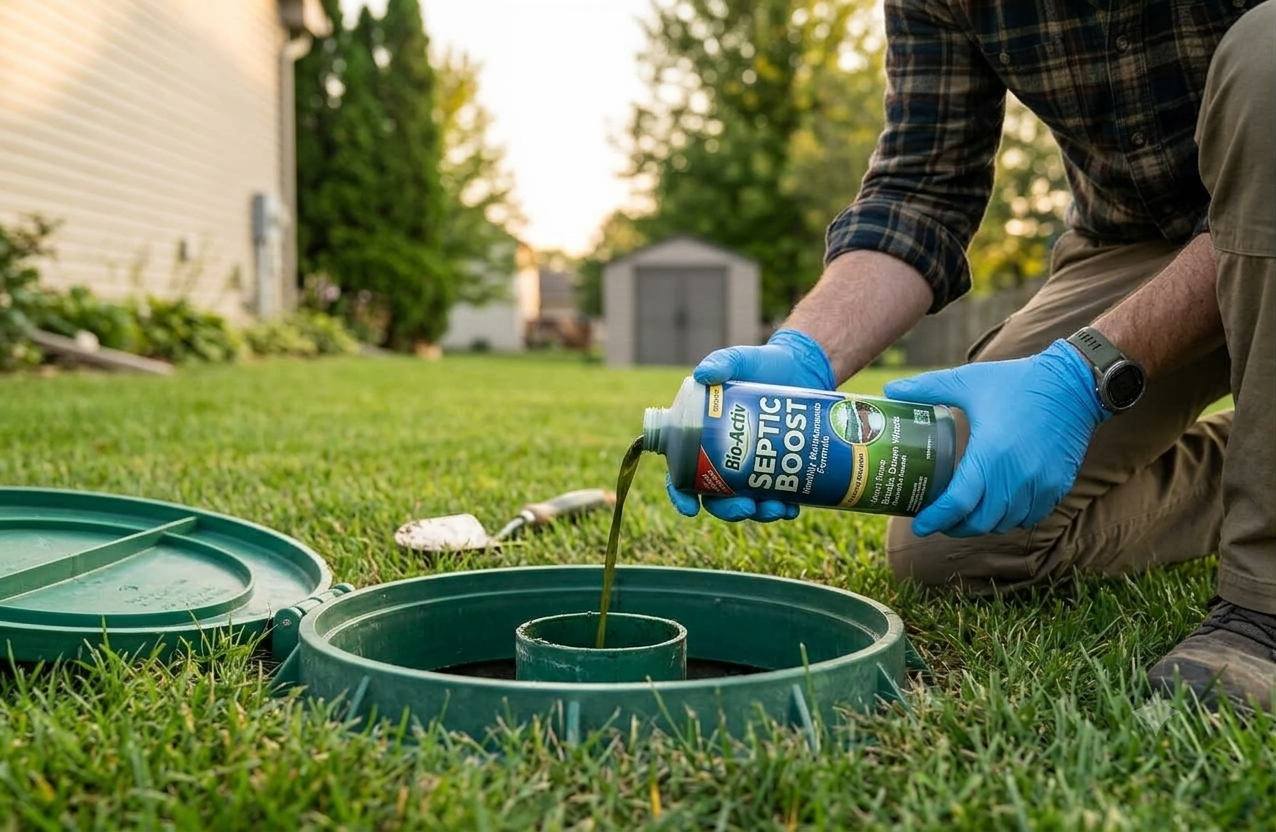
If a full inspection is requested, the technician will unearth access points and remove lids to begin evaluating the tank inside.
Step 3: Internal Visual Check
Using special tools, they check tank components—like baffles, filters, and effluent levels—to confirm everything’s intact and functioning properly.
Step 4: Camera Inspection and Flow Test
A camera may be inserted through the outlet baffle to examine effluent pipes and the drain field’s condition with zero guesswork involved.
Step 5: Functional Flow Testing
Water is run through your plumbing system to verify that wastewater flows correctly and doesn’t back up into the tank.
Step 6: Professional Report and Maintenance Advice
After completion, a detailed report outlines findings, identifies any issues, and includes advice for long-term care and maintenance steps.
What Does a Septic Inspector Check For?
A septic inspector checks tank structural integrity, sludge and scum levels, baffle and filter condition, inlet and outlet pipes, effluent flow, the distribution box, drain field saturation, and surface signs of leaks or odor. To do this, inspectors use tools like sludge measuring sticks, sewer cameras, and GPS locators to inspect without damaging your property.
- The sludge judge measures sludge and scum layer levels to see if the tank needs pumping or additional cleaning services soon.
- Camera Equipment: Fiber-optic sewer cameras view pipe interiors to detect cracks, blockages, or roots inside your drainage line.
- Effluent Meters ensure wastewater flows steadily from the tank to the drain field without getting backed up due to obstructions.
- Baffle and Filter Check: Inspectors verify that the inlet and outlet baffles are intact, which prevents solids from escaping into your drain field.
- Drain Field Assessment, surface walks, and probes confirm the leach field is absorbing effluent rather than surfacing.
Common Questions
How Much Does a Septic Inspection Cost in Delaware and Maryland?
Septic inspection cost in Delaware and Maryland typically ranges from $300 to $700, depending on tank size, the type of inspection (visual vs. full Class H), and access conditions on the property. A standard visual inspection sits at the lower end of that range, while a full DNREC-approved Class H inspection for a real estate transaction sits at the higher end.
How Often Should a Septic Tank Be Inspected?
A septic tank should be inspected every three to five years for routine maintenance, and immediately before buying or selling a home. Homes with heavy water usage, older systems, or signs of slow drains may need inspections more frequently; every one to two years is reasonable for high-use households.
Who pays for a septic inspection during a house sale?
Typically, the buyer pays for a septic tank inspection, but sometimes sellers may cover costs if repairs are urgently needed.
Why Trust Septic Masters for Your Septic Tank Inspection?
At Septic Masters, we use the latest tools and bring years of hands-on experience to every inspection job we undertake. As a licensed septic contractor in Delaware and Maryland, we perform DNREC-approved Class H septic tank inspections that meet state requirements for real estate transactions. We know your time is valuable, so we offer fast scheduling, clear reports, and friendly service with zero hidden surprises. Whether you’re buying a new home or maintaining your current one, trust us to keep your septic system running perfectly.
Final Thoughts
A septic tank inspection isn’t just another item on your home maintenance checklist; it’s a vital step toward protecting your investment. By detecting issues early, you save money, avoid unpleasant surprises, and ensure your household’s wastewater system remains safe and efficient. Schedule your septic tank inspection today with Septic Masters and take the first step toward a healthier, stress-free home tomorrow. Buying a home or want to understand what to expect from the septic inspection process for homeowners? Septic Masters delivers expert septic services in Delaware and Maryland with detailed reporting and same-week scheduling. Contact us for a hassle-free inspection.