
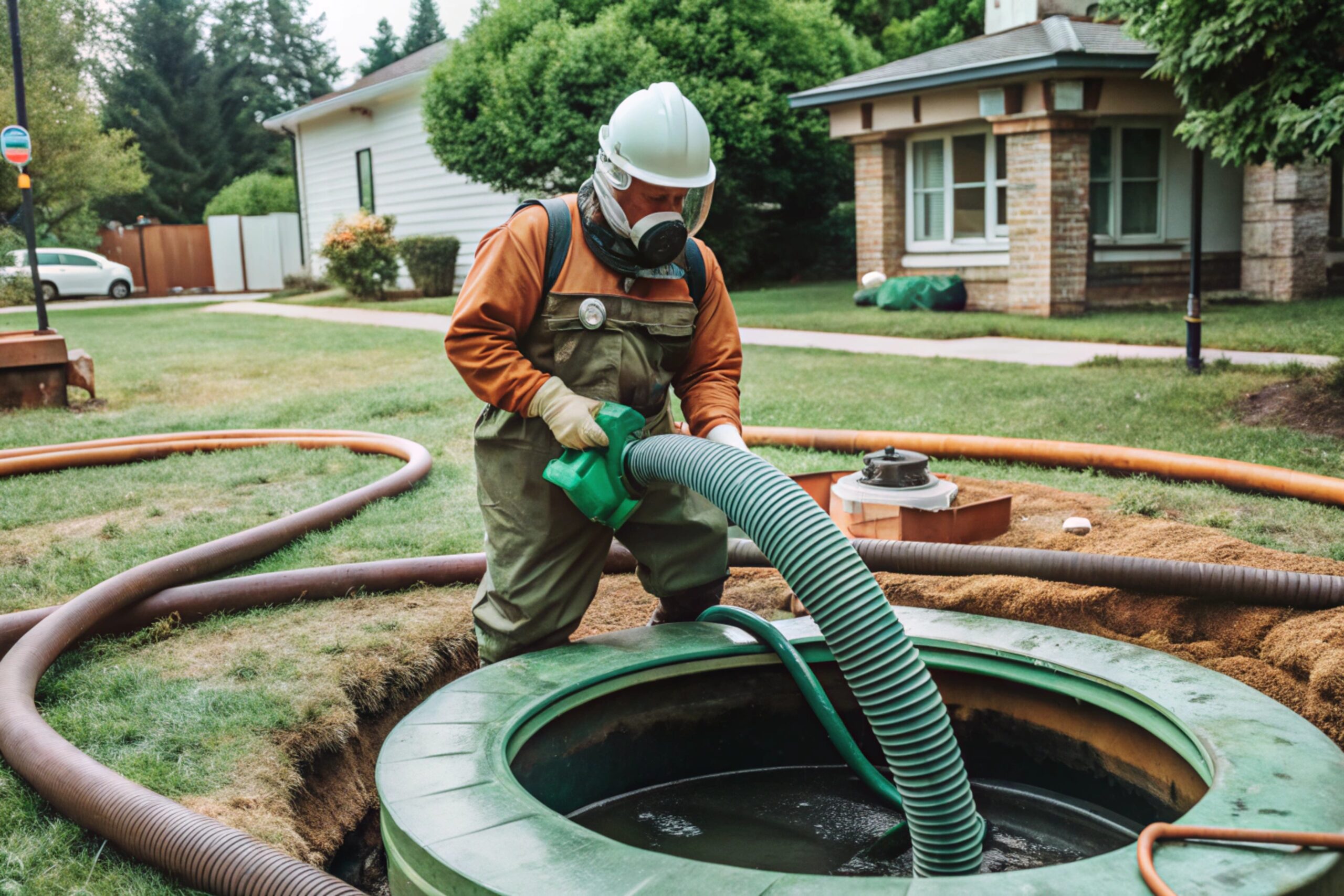
Your drains are slow, the yard has a faint odor, and you are starting to wonder if something is wrong underground.
You are not alone in second-guessing it. Most homeowners rarely think about their septic tank until it starts sending signals, and by then it is easy to fear the worst. The reassuring news is that a septic tank almost always gives you warning before it fails, as long as you know what to look for.
Learning the signs your septic tank is full early can save you from a messy backup and an expensive repair. For homeowners across Delaware and Maryland, a little awareness goes a long way toward protecting your system.
Your septic tank quietly handles everything that goes down your drains. Over time, solids build up, and the tank fills. When it gets too full, wastewater has nowhere to go, and that is when problems start to show up inside your home.
Below, we walk through the clearest warning signs, what happens if you ignore them, and how often you should schedule pumping to keep everything running smoothly.
How a Septic Tank Fills Up
Inside your tank, waste separates into three layers. Solids sink to the bottom and form sludge. Grease and oils float to the top as a layer called scum. The liquid in the middle, known as effluent, flows out to your drain field, where the soil filters it naturally.
The sludge and scum layers do not leave the tank on their own. They keep building up until the tank is pumped. When too much time passes between pumpings, those layers grow, the tank loses room to separate waste properly, and solids can push out into the drain field where they do not belong. That is the moment a full tank stops being a minor issue and starts becoming a costly one.
7 Signs Your Septic Tank Is Full
If you are wondering how to tell if your septic tank is full, watch for the warning signs below. Any single one is worth a closer look, and several together usually mean it is time to act.
- Slow drains throughout the house. One slow sink might be a clog. Slow drains in multiple rooms often point to a full tank rather than a single blockage.
- Gurgling sounds in your pipes. Bubbling or gurgling when you flush or drain water is a common early sign that your system is struggling to move waste along.
- Odors indoors or outside. A sewage smell near your drains, your tank, or your drain field is a clear signal that the tank is overfull and gases have nowhere to go.
- Pooling water or soggy ground. Wet, spongy spots or standing water over the drain field often mean the tank is overflowing and pushing liquid to the surface.
- Unusually green, lush grass. Grass that is noticeably greener over the drain field can mean extra wastewater is feeding it, which is not a good thing.
- Slow or backed-up toilets. Toilets that flush slowly, bubble, or struggle to clear are among the most reliable full septic tank symptoms.
- Sewage backing up into the home. Waste coming up through sinks, tubs, or toilets is the most urgent sign of all. If this happens, stop using water and call for service right away.
These septic tank full warning signs tend to start small and get worse. Catching them early keeps a simple pump-out from turning into a major repair.
What Happens When a Septic Tank Is Full and You Ignore It
It helps to understand what happens when a septic tank is full and the warning signs are left alone. The good news is that almost all of it is preventable with routine care.
- Backups into your home. Overflowing waste can come back up through your lowest drains, creating a health hazard and an unpleasant cleanup.
- Drain field damage. When solids escape the tank, they clog the soil in your drain field. A failed drain field is one of the most expensive septic repairs a homeowner can face.
- Groundwater and well contamination. An overflowing system can release untreated wastewater into the soil, which can affect nearby wells and local water quality.
- Full system failure. Left long enough, a neglected system can fail completely and need replacement, which costs far more than years of regular pumping.
None of this is meant to alarm you. The point is simple: a full tank is easy to handle when you catch it early, and much harder to handle when you wait.
Also Read: Common Septic Tank Problems — The everyday issues Delaware and Maryland homeowners run into, and how to spot them early.
How Often Should You Pump Your Septic Tank?
Most households need a pump-out every three to five years, but the right schedule depends on your tank size, the number of people in your home, and how much water you use. A large family in a smaller tank will need service more often than a couple in a larger one.
Regular pumping is the single best way to prevent every warning sign on this list. If it has been more than a few years since your last service, or you are seeing any of the signs septic tank needs pumping described above, it is worth scheduling an inspection. A quick check now is always cheaper than a repair later.
Also Read: Septic Tank Cleaning: 6 Mistakes You Don’t Want to Make — Simple habits that protect your system and extend its life.
When to Call Septic Masters
If your tank is overdue or you are noticing the warning signs, we are here to help. Our licensed technicians provide septic pumping across Delaware and Maryland, and we will tell you honestly whether your system needs service or something more. If a full tank has already caused an issue, our septic tank repairs get your system back in working condition. We serve homeowners throughout our Delaware and Maryland service area with the same clear, upfront approach every time.