Winter brings beautiful snow-covered landscapes, but it also brings serious challenges for homeowners with septic systems. Septic tank problems in cold weather are some of the most expensive and disruptive issues a homeowner can face. Frozen pipes, sewage backups, and cracked components often happen overnight once the ground freezes. When temperatures drop, your septic tank faces unique threats that can lead to expensive repairs and unpleasant backups.
Understanding these septic tank problems in cold weather and knowing how to prevent them will save you money, stress, and potential health hazards.
Why Cold Weather Creates Septic Tank Problems
Your septic system relies on constant water flow and active bacteria to function properly. Cold weather disrupts both of these essential elements. Common winter septic system issues start when temperatures plummet. Water in your pipes and tank can freeze, creating blockages that stop everything in its tracks. Even worse, the beneficial bacteria that break down waste slow down significantly or stop working altogether when conditions get too cold.
Why Does My Septic Tank Freeze in Winter?
A septic tank freezes in winter because the water inside it loses heat faster than incoming wastewater can replace it, usually when the tank is underused, poorly insulated, or has shallow pipes exposed to frost. A frozen septic tank represents one of the most serious issues homeowners face during the winter months. When water freezes inside your tank or pipes, it expands with tremendous force, which can crack pipes, damage tank components, and cause sewage to back up into your home.
Ice buildup blocks the normal flow of wastewater, preventing your system from processing waste effectively. The problem starts gradually. First, water flow slows down as ice begins forming in the pipes. Then, as temperatures remain low, the ice spreads throughout the system, and before you know it, you have a complete blockage that requires professional intervention.
Understanding Bacterial Activity in Cold Conditions
Your septic tank depends on hardworking bacteria to digest and break down solid waste. These microscopic helpers thrive in warm conditions but struggle when temperatures drop.
Reduced bacterial activity means waste accumulates faster than your system can process it, leading to quicker tank filling and potential overflow situations.
Think of it like this: bacteria are your septic system’s workforce. When they slow down due to cold weather, your tank becomes like a factory with half its workers calling in sick. The work piles up, and problems develop quickly.
The Most Common Septic Tank Problems in Cold Weather
Pipe Freezing and Blockages
The pipes connecting your home to your septic tank are particularly vulnerable to freezing. These pipes often run underground at shallow depths, making them susceptible to frost penetration. This is one of the leading causes of a septic tank backup in cold weather. When pipes freeze, wastewater cannot reach the tank, causing backups into your home’s drains and toilets.
System Overload and Backups
Winter often means increased water usage inside your home. Hot showers, running faucets, and extra laundry loads put additional strain on your system.
When combined with reduced bacterial activity and potential freezing issues, this increased demand can overwhelm your septic tank, leading to backups and system failures.
Drain Field Saturation
Rapid snow melting or winter rain can saturate your drain field, preventing it from absorbing wastewater properly. Frozen ground compounds this problem by creating an impermeable barrier that prevents drainage. Water has nowhere to go, resulting in pooling, backing up, or surfacing in your yard.
Cracked Components and Leaks
The freeze-thaw cycle takes a toll on septic system components. Water seeps into tiny cracks, freezes, expands, and makes those cracks larger. Over time, this process can cause significant structural damage to tanks, pipes, and drain field lines, requiring costly septic tank repair.
Also Read: Greywater vs. Blackwater: What’s the Difference and Why It Matters for Septic Systems
How to Prevent a Frozen Septic Tank
How to Insulate a Septic Tank for Winter
To insulate a septic tank for winter, spread eight to twelve inches of straw, mulch, or fallen leaves directly over the tank and drain field before the first hard freeze. This is the simplest and most effective way to prevent a frozen septic tank. Proper septic tank insulation makes a huge difference in preventing cold-weather problems, and nature provides excellent insulation materials right in your yard. This simple step can mean the difference between a functioning system and a frozen disaster. Growing grass and shallow-rooted plants over your drain field provides natural year-round insulation. Whatever you do, resist the urge to trim grass short before winter arrives. Longer grass traps snow, which acts as additional insulation. Snow is actually one of nature’s best insulators when left undisturbed. For exposed pipes, foam pipe sleeves offer excellent protection against freezing temperatures.
These inexpensive materials wrap around vulnerable pipes and keep them warm enough to prevent ice formation.
Keep Water Flowing
A septic system in regular use stays warmer than an idle one. Running warm water through your system daily helps maintain temperature and prevents stagnant water from freezing. Spread your water usage throughout the day rather than using large amounts all at once. This steady flow keeps things moving and warm.
During extreme cold snaps, letting a faucet drip slightly overnight can prevent pipe freezing. The continuous movement makes ice formation much less likely. Just be careful not to overload your system with excessive water.
Essential Pre-Winter Septic Tank Maintenance
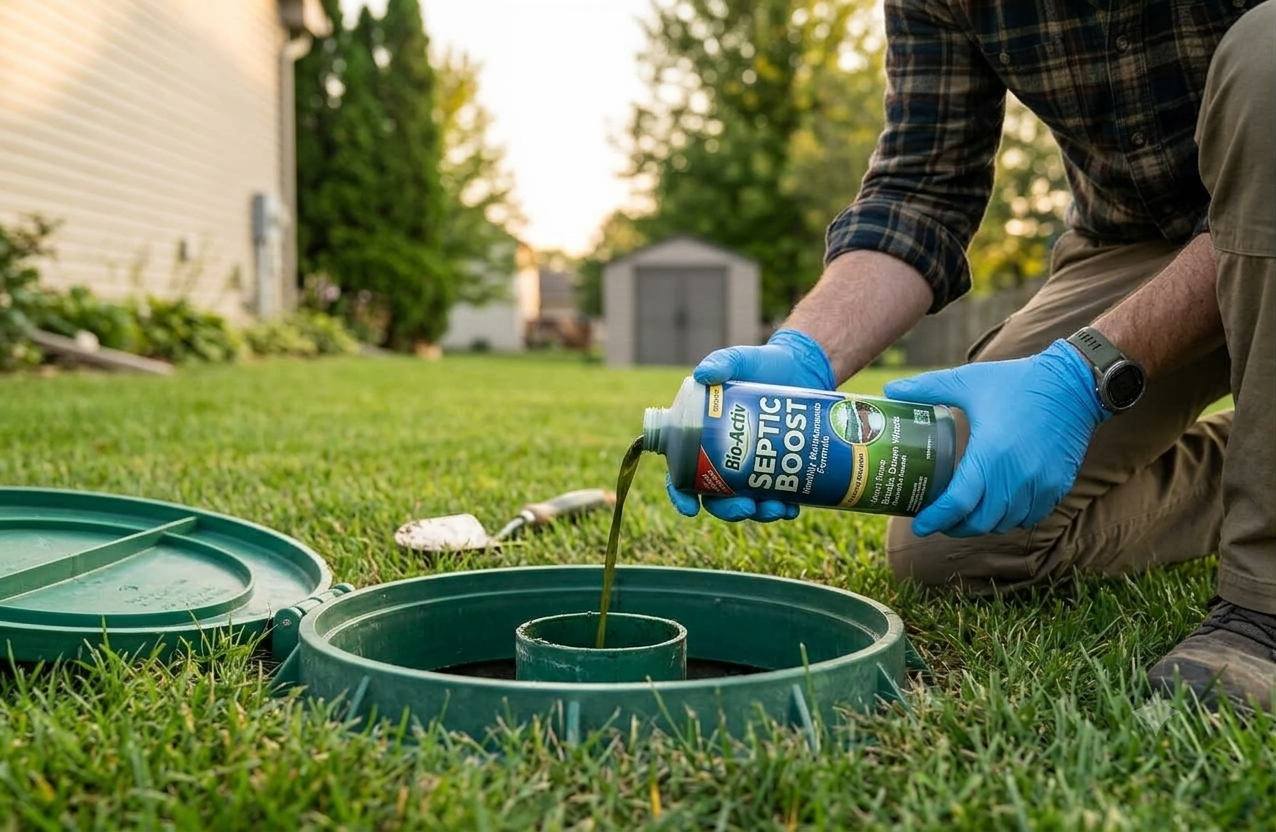
Fall is the perfect time for comprehensive septic tank maintenance. Scheduling a professional septic inspection and pumping before the first freeze is one of the smartest steps you can take to prevent a frozen septic tank. Septic Masters books fall maintenance visits across Delaware and Maryland. A tank that’s too full freezes more easily and lacks the capacity to handle winter’s challenges. Removing accumulated sludge gives your system room to work and reduces the risk of freeze-related problems. During this maintenance visit, ensure all tank lids and inspection ports are properly sealed. Cold air seeping through gaps accelerates freezing and makes your insulation efforts less effective. Check for and repair any leaks in faucets, toilets, or pipes; even small leaks create excess moisture that can freeze and cause blockages.
Protect Your Drain Field
Your drain field needs protection too. Never drive or park vehicles on your drain field, especially in winter. Vehicle weight compacts snow and soil, reducing their insulating properties and increasing frost penetration. Compacted soil also prevents proper drainage when snow melts.
Grade your property to divert rainwater and snowmelt away from your septic system components. Standing water near your tank or drain field increases the risk of saturation and freezing problems.
Also Read: How to Extend the Lifespan of Your Septic System: Expert Tips
Smart Water Management During Winter
Managing your household water usage becomes even more important during cold months. Space out laundry loads rather than doing all your washing in one day. This prevents overwhelming your system when bacterial activity is already reduced. The same principle applies to dishwashing and bathing—spread these activities throughout the day.
Avoid pouring fats, oils, and grease down your drains. These substances solidify quickly in cold weather, creating stubborn clogs that block normal flow. Instead, collect them in a container and dispose of them with your regular trash.
How Do You Thaw a Frozen Septic Tank Safely?
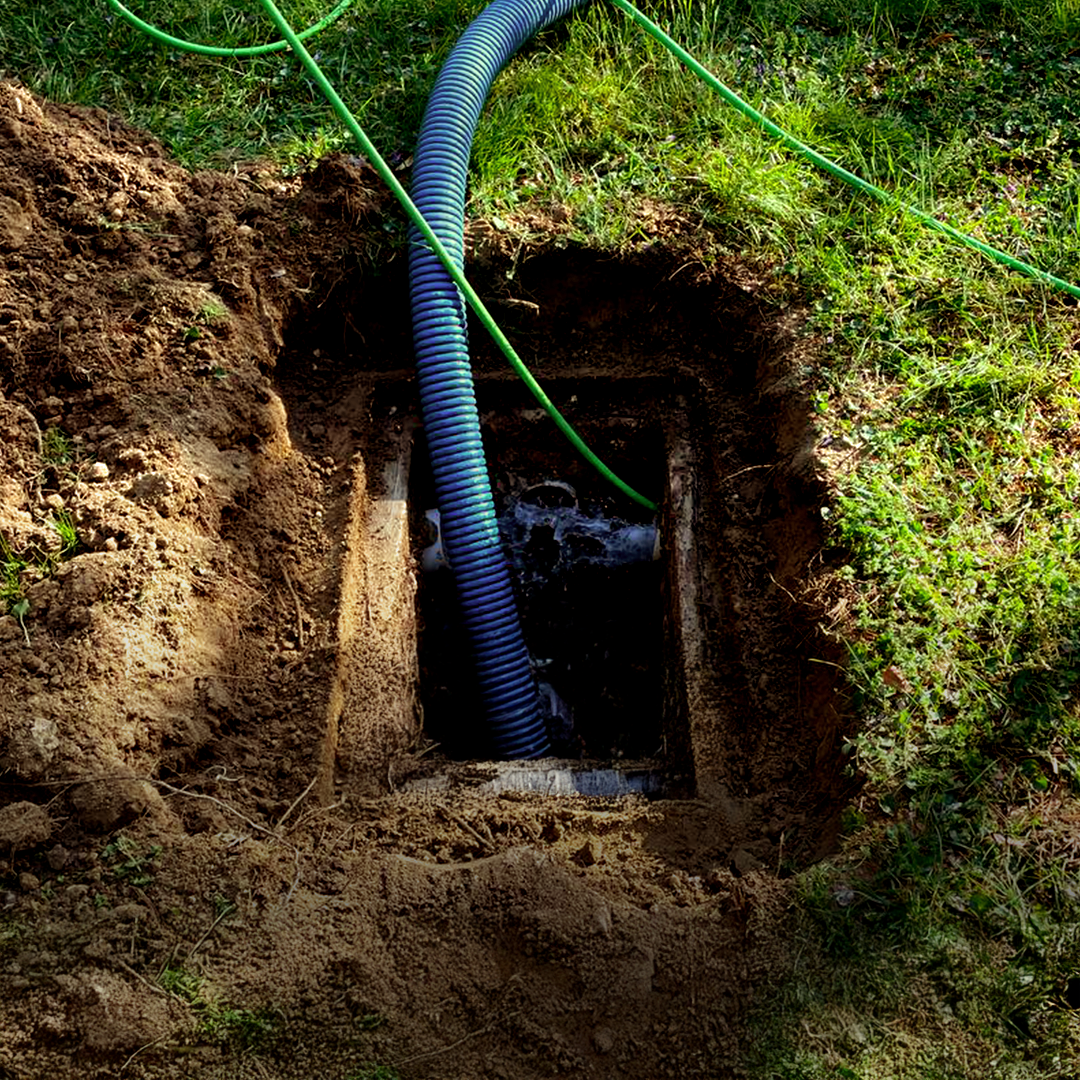
To thaw a frozen septic tank safely, call a licensed septic professional; never attempt DIY thawing. Professionals use controlled steam or hot-water injection equipment to clear ice without cracking the tank or pipes, and they can identify the root cause so the freeze does not return. Despite your best prevention efforts, freezing can still occur during particularly harsh winters. If you notice slow drains, gurgling sounds, or sewage odors, don’t wait. These are warning signs that your system is struggling, so contact a septic professional immediately. Never attempt to thaw frozen pipes with open flames or excessive heat. This dangerous practice can damage pipes, release toxic fumes, or even cause fires. Septic Masters offers 24/7 emergency septic service across Delaware and Maryland. Our crews carry the safe thawing equipment and expertise to handle frozen systems without causing additional damage.
Special Considerations for Seasonal Properties
If you own a vacation home or seasonal property, winterization becomes even more critical. Consider having a professional drain your system and add septic-safe antifreeze to prevent freeze damage during extended periods of non-use. This investment protects your system and prevents expensive surprises when you return.
Conclusion
Protecting your septic system from cold weather doesn’t require extraordinary effort, but it does require planning and consistent attention. By combining proper insulation, regular water usage, pre-winter maintenance, and smart water management, you can keep your system running smoothly all winter long.
If you are dealing with septic tank problems in cold weather or want a pre-winter inspection, Septic Masters provides expert septic services, including expert repair solutions in Delaware and Maryland. Contact us today to schedule an inspection or service.