If your septic tank is buried without a surface-level entry point, every inspection and pump-out starts with excavation. That means digging up your yard, paying for the labor, and then filling it back in — every single time. Over a lifetime of septic maintenance, those repeated digs add up to a significant and entirely avoidable expense.
A septic riser is the fix. It’s a straightforward addition to your existing system that brings the tank’s access point up to ground level, eliminating the excavation. If you’ve recently had your septic system cleaned and the technician mentioned a riser, or if you’re simply trying to understand what the term means, this guide will walk you through everything you need to know.
What Is a Septic Riser?
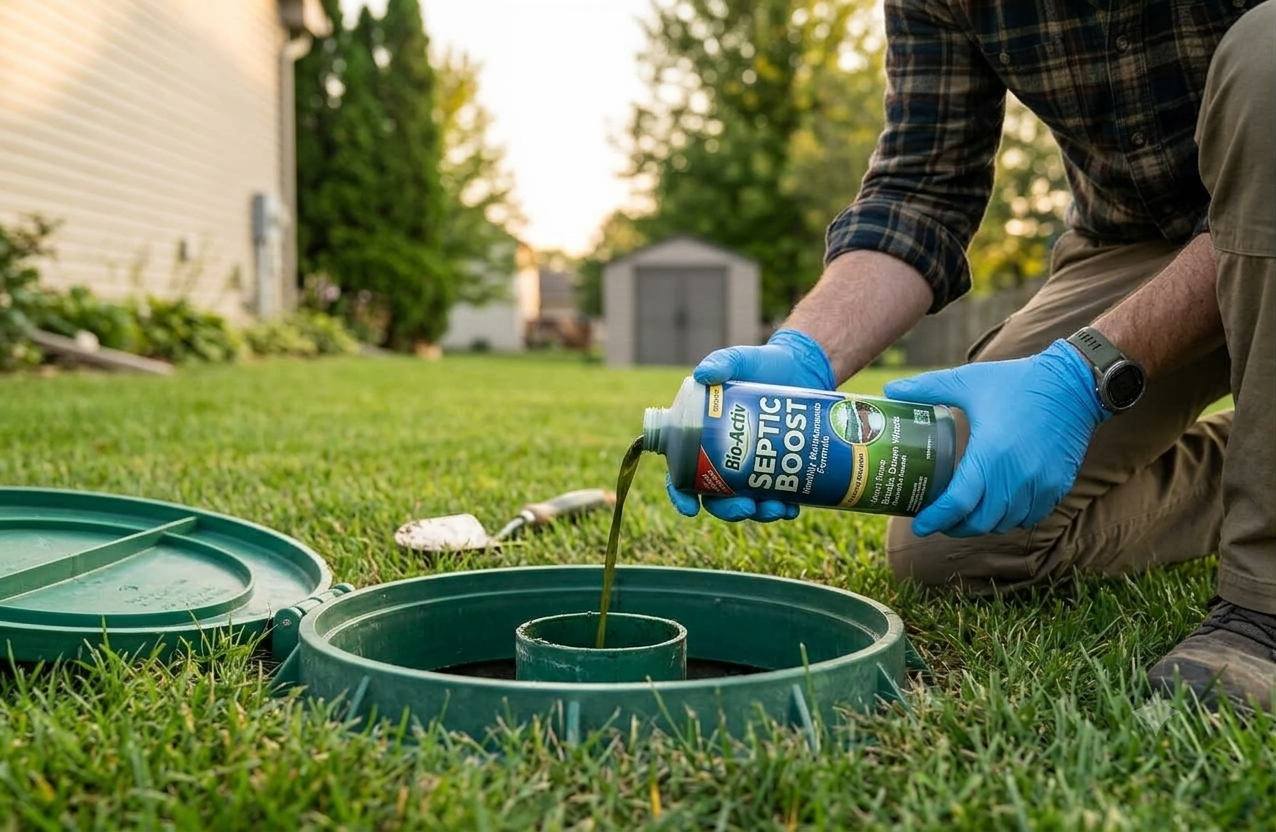
A septic riser is a large-diameter vertical pipe that connects the access port on top of your buried septic tank to the surface of your yard. Instead of requiring excavation every time the tank needs service, the riser creates a permanent, ready-to-use access point that sits at or just above ground level.
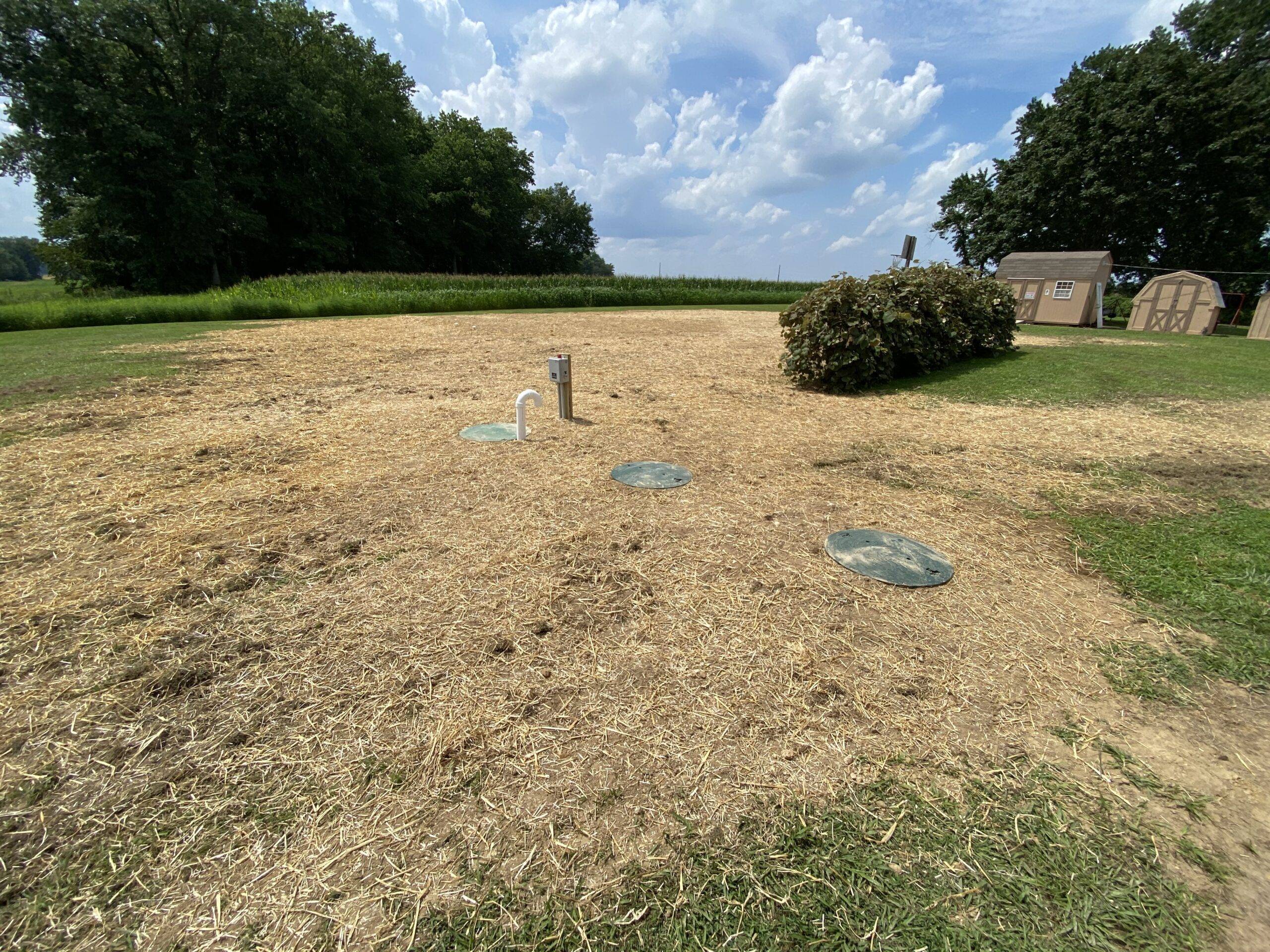
The top of the riser is fitted with a secure, tamper-resistant lid. Depending on your preference and landscaping, that lid can sit flush with the ground, be lightly covered with a thin layer of soil, or remain visible as a permanent marker. Either way, the result is the same: when your tank needs attention, access is immediate.
Risers are engineered to be watertight and airtight, preventing groundwater from entering the tank and stopping odors or gases from escaping. They’re built to last — typically made from heavy-gauge polyethylene plastic or concrete, both of which resist moisture, soil pressure, and seasonal temperature changes.
How Does a Septic Riser Work?
The riser attaches directly to the opening on top of the septic tank using a sealed, watertight connection. According to septic professionals, risers typically range from 12 to 24 inches in height, depending on how deep the tank sits below the surface. Some systems use corrugated risers cut to a custom length, while others use standardized modular sections stacked to reach the right height. Once installed, the pipe runs straight up from the tank to ground level, capped with a lid that any technician can remove without tools or excavation equipment.
Why Septic Tank Riser Installation Makes Financial Sense
The most immediate benefit of a septic riser is the reduction in labor costs — and it’s more significant than most homeowners expect.
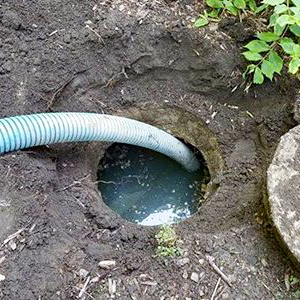
Without a riser, every septic pumping service call begins with locating the tank and digging out the lid. Depending on how deep the tank is buried and how accessible the yard is, that process alone can add a meaningful amount to the final bill. After the work is done, the hole has to be filled back in. That cycle repeats every three to five years for the life of the tank.
With a riser in place, the technician walks directly to the access point, removes the lid, and begins work. No probing, no digging, no refilling.
Industry data from Angi puts the typical septic tank riser installation cost between $200 and $400 for a single-tank system; a one-time expense that quickly pays for itself through savings on every future service call. For dual-tank systems, expect to roughly double that figure.
Septic contractors note that accessibility is one of the primary factors in determining the cost of routine maintenance. A tank that’s easy to reach takes less time to service, and that time savings is passed directly to the homeowner.
The Benefits Beyond Cost Savings
- Easier maintenance scheduling: A riser acts as a built-in visual reminder that a septic system exists and needs regular attention. Homeowners who can easily see and access their system are more likely to stay on schedule with pump-outs, and consistent maintenance is what prevents the kind of buildup that leads to costly failures.
- Improved technician safety: Excavating around a buried septic tank introduces real safety risks: unstable soil, potential tank damage, and exposure to hazardous gases at depth. Risers reduce those risks by keeping the access point at ground level, where conditions are easier to control.
- Environmental protection: A well-maintained tank keeps wastewater properly contained and treated before it reaches the surrounding soil. When access barriers make maintenance less likely or less thorough, the risk of groundwater contamination increases. A riser makes consistent maintenance easier, which directly supports the environmental performance of the system.
- Property value: Buyers in Delaware and Maryland increasingly understand septic systems and what good access looks like. A properly installed riser signals a system that’s been maintained, not neglected, and that perception has real value during a home sale.
Should You Replace Your Septic Tank Lid When Installing a Riser?
If your current tank lid is cracked, deteriorating, or no longer seating properly, septic tank lid replacement should happen before or alongside the riser installation. A compromised lid allows groundwater to enter the tank and can allow gases to escape. Installing a riser on top of a failing lid doesn’t solve the underlying problem; it just makes the broken component easier to reach.
If the lid is structurally sound, replacement isn’t necessary. A qualified technician will inspect it during the riser installation and advise you accordingly. If you’ve noticed soft or sunken ground near your tank, an unusual odor, or visible cracking around the access area, those are signs that septic tank repairs_ including a lid assessment_ should happen before any upgrades are planned.
How to Install a Septic Riser
Understanding how to install a septic riser starts with knowing what a professional brings to the job that a homeowner typically cannot.
The process begins with locating the tank, which may require probing the ground or using an electronic locator if the exact position isn’t documented. Once the access port is confirmed, the surrounding soil is carefully excavated to expose the top of the tank.
The existing lid is removed, the riser is seated over the opening with a watertight seal, and the pipe is secured in place. A new lid is installed at the top of the riser, the soil is backfilled around the pipe, and the area is restored. In most cases, the actual installation takes under 30 minutes; once the tank is exposed, it’s the locating and excavation that takes the time.
Opening a septic tank without the proper equipment carries real risk. Noxious gases can accumulate near the access port, and an unsecured connection between the riser and the tank can create contamination issues.
Professional installation ensures the seal is correct, the riser height is appropriate, and the lid is properly secured. It’s a small investment compared to the cost of a repair caused by an improper fit.
When Is the Best Time to Install One?
The most practical time to schedule a septic tank riser installation is during your next routine pump-out. Since the technician will already be excavating to access the tank, the additional work of installing a riser adds minimal extra time and cost. Combining the two visits into a single visit is the most efficient approach.
That said, it’s worth having an aseptic tank inspection done before committing to a riser if your system hasn’t been serviced recently. A riser is a long-term investment, and it makes the most sense when the tank itself is in good working condition.
If the tank is nearing the end of its useful life or shows signs of structural issues, those should be addressed first.
There’s no wrong time to ask about a riser during a service call. If you’re scheduling a pump-out or inspection and want to add one, let the technician know in advance; they can bring the right materials and plan the visit accordingly.
Conclusion
A septic riser is one of the simplest, most cost-effective upgrades available to homeowners with a buried septic system. The one-time installation cost pays for itself quickly, the maintenance benefits compound over time, and the added safety and environmental protections make it a responsible choice for any property.
Whether your system is due for a pump-out or you’ve been putting off a service call because access has always been a hassle, a riser removes that barrier for good.If you’re ready to add a riser to your system, or if you’re due for an inspection or pump-out and want to combine the visits, we are here to help. We serve homeowners across Delaware and Maryland with honest assessments and reliable service. Schedule your service today, and our team will walk you through the best options for your system.