In places without access to municipal sewer systems, septic tanks are essential for controlling domestic wastewater. For effective and environmentally responsible waste treatment, these systems must be installed and designed correctly.
From running a perc test for your septic system to obtaining the right septic permit in Delaware, every stage of the design process directly affects long-term performance, longevity, and cost. Our septic system design services and installation services guide Delaware and Maryland homeowners through every step.
Whether you’re replacing an old septic system or building a new one, it’s important to comprehend the important aspects of the design process. In this blog post, we’ll cover the critical elements that go into septic system design and installation.
Soil Analysis
A comprehensive soil investigation is one of the first steps in building a septic system. The longevity and performance of the system can be greatly impacted by the kind of soil on your property. The proper placement and construction of the septic tank and drain field depend heavily on the permeability, texture, and depth of the soil.
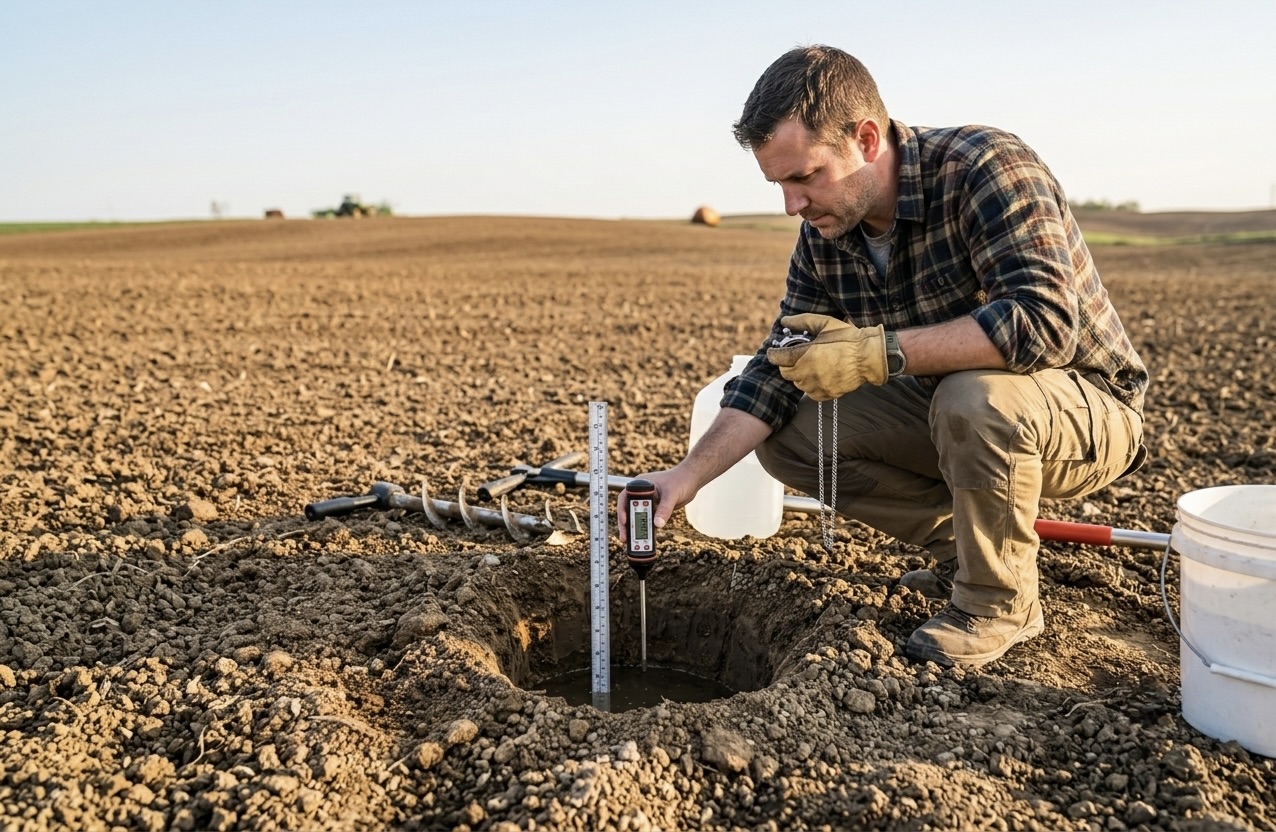
A perc test, short for percolation test, is the core of this soil analysis. The perc test for a septic system measures how quickly water drains through the ground and determines what type of system your property can support. In Delaware, a passing perc test is required before any system design can be approved. A qualified soil study will assist in determining any possible obstacles and provide guidance for the design process.
What is a Perc Test, and Do I Need One for a New Septic System?
A perc test(percolation test) measures how well your soil absorbs water and is legally required in Delaware before a new septic system can be designed or permitted. Without a passing perc test result, the county health department will not issue a design approval.
Septic Masters coordinates perc testing as part of our complete design service. You do not need to arrange it separately. The results also determine which type of system suits your land, from conventional gravity systems to aerobic treatment units or sand mound septic systems.
Site Evaluation
The next stage is to perform a thorough site evaluation after evaluating the soil conditions. When choosing the best location for the septic system components, considerations including topography, groundwater levels, and closeness to water bodies or wells must be made.
How close can a septic system be installed to a well or water source? Delaware regulations typically require a minimum setback of 50–100 feet from wells, depending on system type. Your certified designer will confirm exact distances based on your lot and local health department requirements. It is vital to guarantee that the system is situated in a manner that reduces the possibility of contamination and complies with legal specifications.
System Sizing
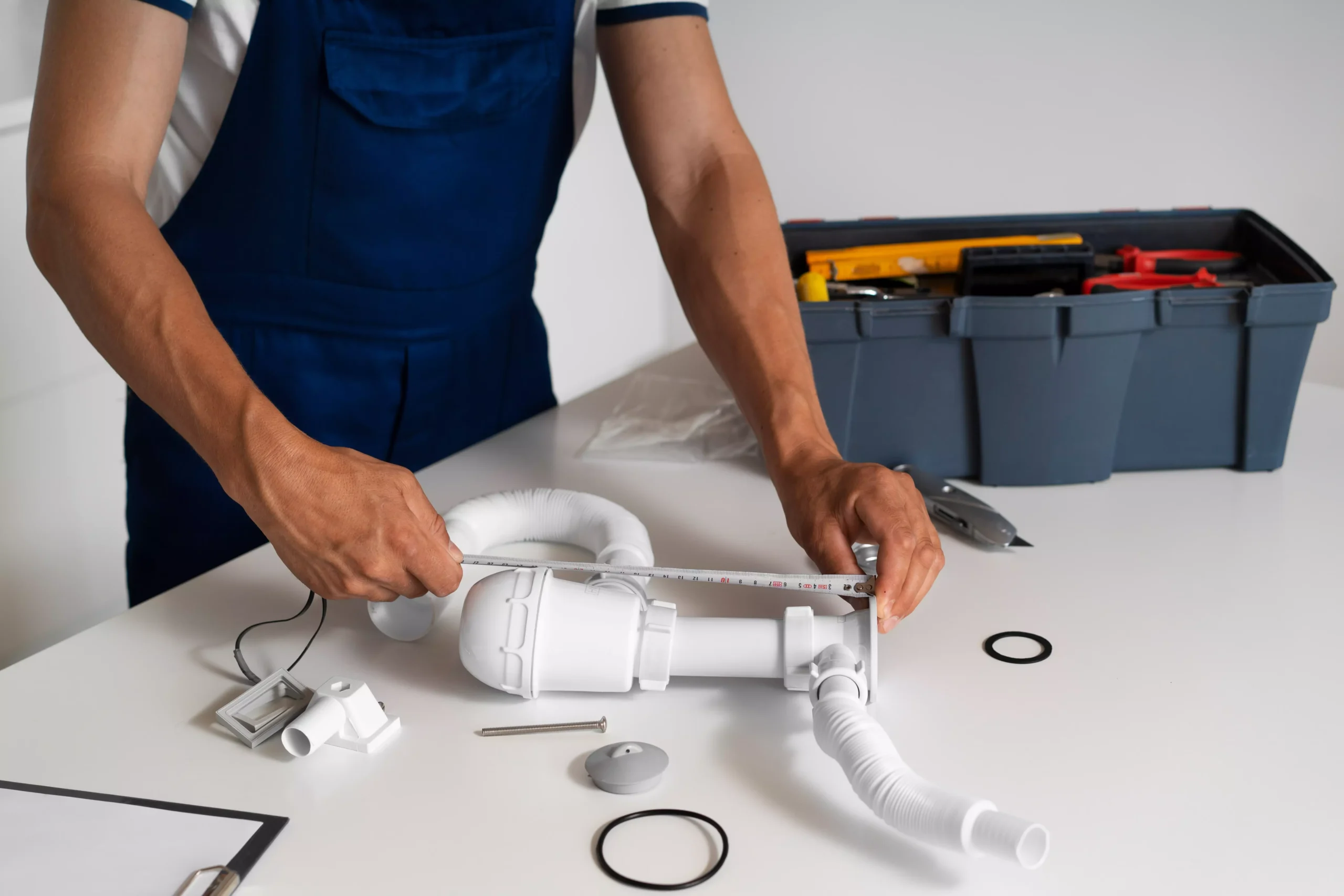
Another important factor in the design process is the size of the drain field and septic tank. To handle the wastewater flow produced by the household, the system has to be large enough. When choosing the right system size, considerations such as the number of bedrooms, daily water demand, and peak flow rates should be made. Septic drain field size requirements are calculated from perc test results combined with household flow rates. As a general guide, a 3-bedroom home typically requires a minimum 1,000-gallon tank in Delaware. An undersized drain field is one of the most preventable causes of early system failure. While big systems may result in needless expenses and an adverse effect on the environment, undersized systems may cause backups and system failures.
Technology and Treatment Options
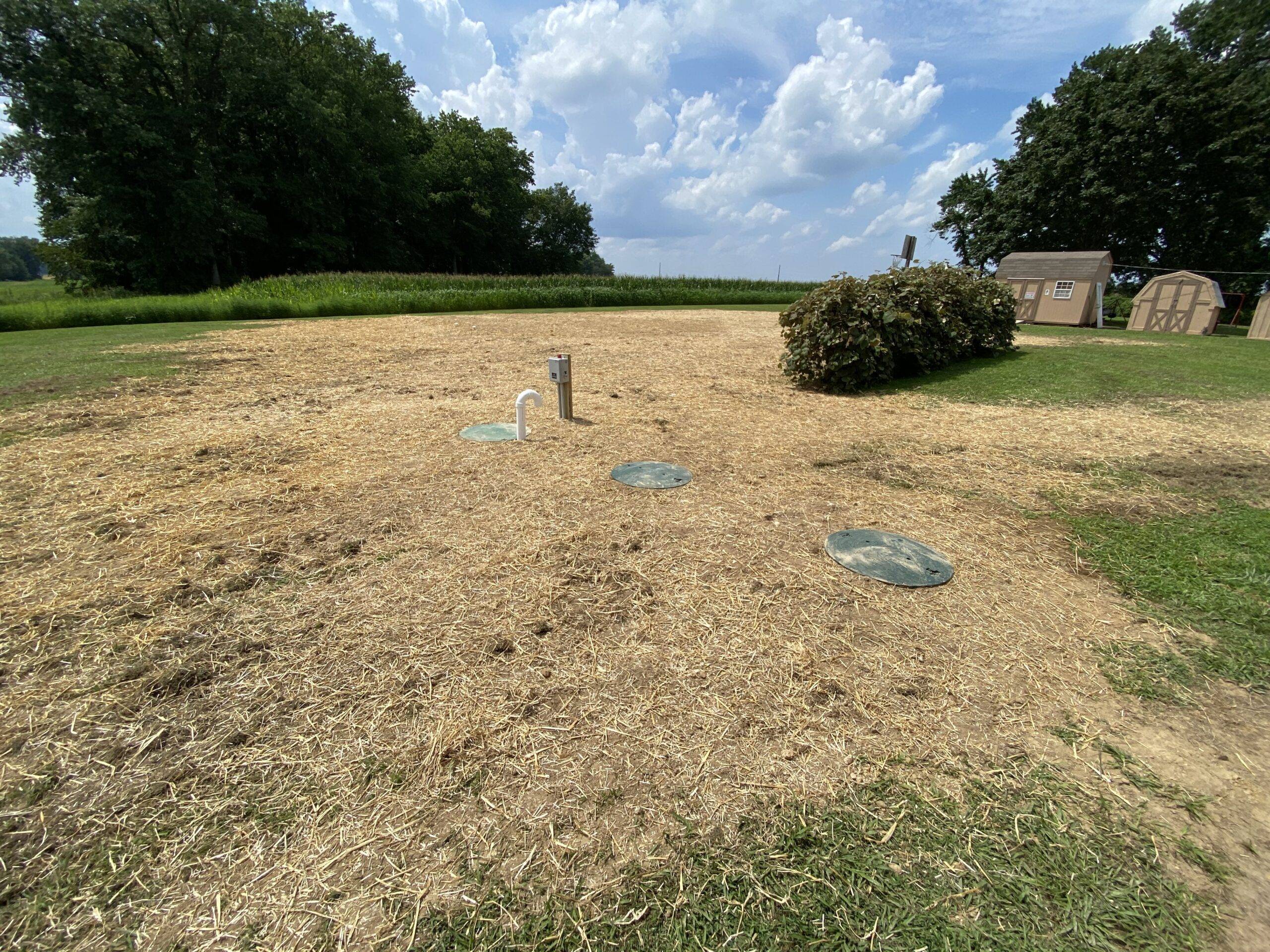
Technological developments in septic systems provide a variety of treatment choices to maximize system efficiency and reduce environmental impact. An aerobic treatment unit (ATU) septic system introduces oxygen into the treatment process, producing significantly cleaner effluent than a standard tank, making it ideal for properties with poor soil, small lots, or high water tables. Depending on the demands and preferences of the site, there are a number of options to take into consideration, ranging from conventional gravity-fed systems to cutting-edge substitutes like aerobic treatment units (ATUs) and drip irrigation systems. Plus, adding features like pump chambers and effluent filters can assist in extending the life of the septic system and increasing system efficiency. Not sure which system fits your property? Explore our low-pressure pipe (LPP) and sand mound septic installation options to find the right solution for your specific conditions.
Regulatory Compliance
It is crucial to adhere to local laws and permits while planning and constructing a septic system. The rules and regulations governing the design, installation, and upkeep of septic systems may differ depending on where you live. Obtaining the correct septic permit in Delaware before construction begins is mandatory. Proceeding without one can result in fines and forced removal of the installed system. Engaging with a certified septic system designer who is conversant with regional laws may guarantee that your system satisfies all prerequisites and secures the essential permits.
What Permits Are Required to Install a Septic System in Delaware?
In Delaware, you will typically need a site evaluation permit, a DNREC design approval, and a construction permit before any installation begins. All three are managed by Septic Masters on your behalf, from initial perc test coordination through to final sign-off. The septic permit process in Delaware can take several weeks, so beginning early is essential, especially for new construction timelines. Our team will guide you through every step and ensure full compliance.
Maintenance Considerations
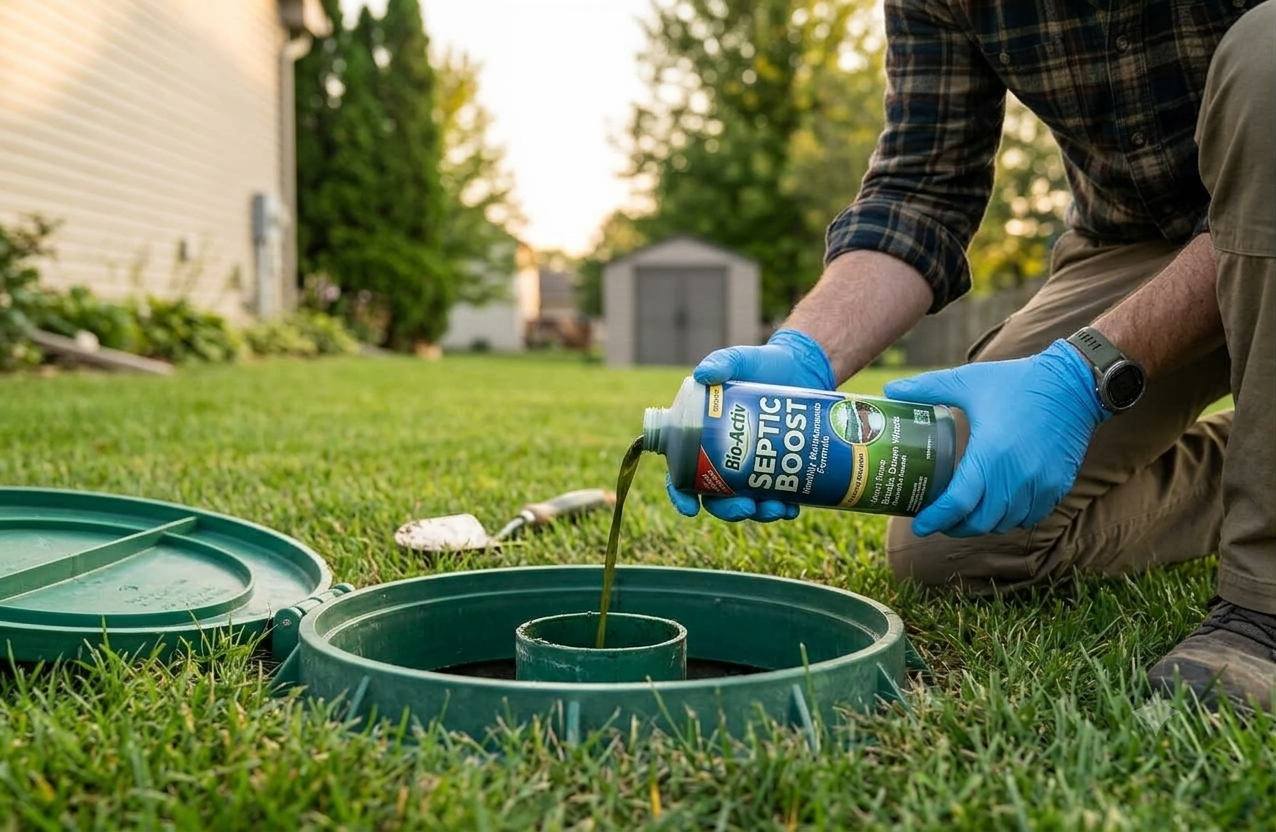
After installation, regular maintenance is necessary to guarantee long-term performance and avoid expensive repairs. Frequent pumping, inspections, and standard maintenance are required to maintain the system’s functionality and avoid issues like backups, clogs, and groundwater contamination. We recommend a professional septic inspection every 1 to 3 years, depending on household size and system type. Catching small issues early is always less expensive than emergency repairs. It is essential to teach homeowners how to properly maintain and care for their septic systems in order to maximize their lifespan and reduce their negative environmental effects.
How Much Does Septic System Design and Installation Cost in Delaware?
The septic system design cost in Delaware depends on system type, soil conditions, lot complexity, and permitting requirements. Conventional gravity systems are typically the most affordable, while advanced options such as aerobic treatment units, sand mound septic systems, or LPP systems involve higher upfront investment. Septic Masters provides free, no-obligation estimates for all new installations.
What Type of Septic System Works Best for High Water Table Properties?
Properties with high water tables are best served by elevated systems such as sand mound septic systems or low-pressure pipe (LPP) systems, which disperse effluent above the saturated soil zone. Aerobic treatment units are also highly effective where available space and soil absorption are limiting factors.
Conclusion
In conclusion, careful consideration of a number of criteria, such as soil conditions, site appraisal, system sizing, technological possibilities, regulatory compliance, and maintenance requirements, is necessary when building and installing a septic system. Homeowners can successfully install a septic system that fulfills their needs and preserves the environment for years to come by considering these criteria and working with qualified professionals.