If you’ve ever checked your yard after a rainstorm and noticed worms near your septic area, it’s natural to feel a bit concerned. Are they a sign of a problem? Should you have someone take a look?
In most cases, drain field worms are normal and can even be beneficial to the soil. That said, the surrounding conditions matter. Here’s a clear breakdown of what you may be seeing and when, if ever, it’s worth investigating further.
What Are Drain Field Worms?
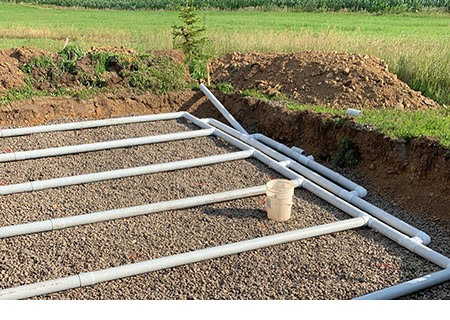
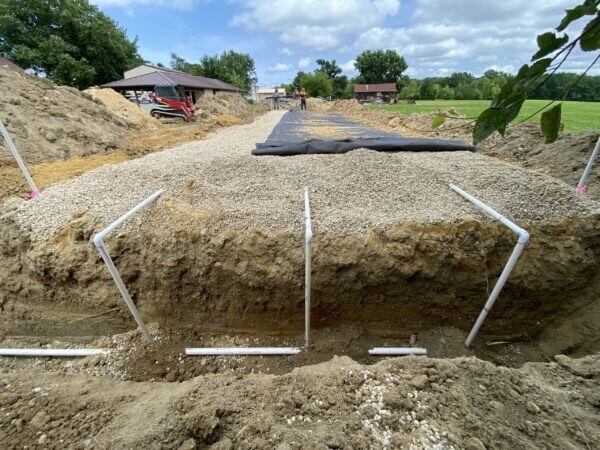
Your septic drain field — also called a leach field — is a network of perforated pipes buried in gravel-filled trenches that slowly release treated wastewater into the surrounding soil. It’s moist, rich in organic matter, and teeming with microbial life. In other words, it’s paradise for certain types of worms.
The most common residents in a drain field system include earthworms. Each of these plays a slightly different role, but they all thrive because of the steady supply of nutrients and moisture the septic environment provides.
Earthworms burrow and tunnel, nematodes hunt down harmful bacteria, and tubifex worms help break down organic solids. Together, they form a surprisingly effective biological workforce.
Is It Normal to Have Worms in Your Septic Tank?
Yes — to a point. It’s completely normal to have worms in and around your drain field. In fact, their presence usually signals that your drain field system is biologically active and functioning the way it should.
What you don’t want is large quantities of them surfacing on your lawn or clustering near vents and access points.
How Drain Field Worms Actually Help Your System
Here’s where it gets genuinely interesting. These worms aren’t just passively hanging out — they’re actively improving your septic system health in several measurable ways.
When earthworms burrow through the soil, they create small channels called macropores, sometimes 5 to 10 millimeters wide. These channels allow oxygen to penetrate 20 to 30 percent deeper into the soil, which supercharges aerobic decomposition — the good kind that breaks down waste efficiently and reduces foul odors.
In fact, well-aerated fields can cut methane emissions by a large amount compared to stagnant, poorly drained systems.
On top of that, worm castings (their excretions) improve the soil’s hydraulic conductivity, meaning water can move through it two to five times faster than in compacted soil. This directly supports the biomat — a naturally occurring layer of bacteria and fungi that filters pathogens out of wastewater before it reaches groundwater.
Healthy worm activity keeps this biomat from thickening too much, which is a surprisingly common cause of drain field failure.
Nematodes add another layer of protection by preying on harmful bacteria, further purifying the effluent before it percolates into the earth. In systems with healthy worm populations, studies have shown biochemical oxygen demand (BOD) removal rates of 70 to 90 percent — numbers that rival engineered water treatment processes.
Also Read: Common Septic Tank Problems in Cold Weather (and How to Prevent Them)
When Drain Field Worms Become a Warning Sign
While moderate worm activity beneath the surface is a great sign, a sudden surge in visible worms — especially on the soil surface — can point to real septic drain field problems.
A healthy drain field typically supports somewhere between 50 and 200 worms per square meter, all living comfortably underground. When that number climbs above 500 per square meter, and worms start surfacing, it often means the system is hydraulically overloaded.
Heavy rainfall, excessive household water use, or a thickening biomat can all trigger this. The soil becomes saturated, oxygen depletes, and worms head for the surface to breathe.
If you’re noticing worms above ground, pay attention to what else is happening around your drain field. Pooling or soggy water on the surface, unusually lush or green patches of grass, slow-draining toilets or sinks, and sewage odors are all red flags that deserve a closer look.
These symptoms together — not the worms alone — are what indicate a failing system.
How to Protect Your Drain Field Ecosystem
The good news is that maintaining healthy worm activity in your drain field doesn’t require much beyond basic, consistent care. Harsh chemical drain cleaners are one of the biggest threats to your drain field ecosystem — they kill the very microbes and worms that keep your system running efficiently. Stick to septic-safe products whenever possible.
Getting your tank pumped every three to five years (depending on household size) prevents solid buildup from overwhelming the field and disrupting the worm population. Diverting roof runoff and gutter drainage at least ten feet away from the field reduces the risk of hydraulic overload, which, as we now know, is what sends worms scrambling to the surface.
Planting deep-rooted grasses over the field helps with natural aeration, and if compaction is a concern, annual core aeration keeps the soil loose enough for worms to do their thing without restriction. Limiting grease and heavy food waste going down your drains also reduces the organic load, giving your drain field system a fighting chance at a long, healthy life.
Also Read: Planting and Landscaping around Septic Tanks and Drain Fields
Conclusion
Drain field worms are, in almost every scenario, a sign that your septic system is alive and well. They aerate the soil, enhance filtration, and keep the biological ecosystem of your leach field humming along. A drain field with stable worm activity can last 20 to 30 years — while a neglected one might not make it half that long.
That said, septic system health is always worth monitoring. If you’re seeing worms on the surface alongside soggy ground or slow drains, don’t ignore it. If you’d like, we can take a look, identify what’s going on, and recommend the right next step before it becomes a bigger issue.
Reach out to schedule a checkup.