Most septic tanks need to be pumped every 3 to 5 years. That is the short answer, and it is the range the EPA recommends for the average home. But your home is not average. A retired couple in Sussex County and a family of six outside Dover put very different loads on the same size tank.
The real answer depends on two numbers: how many people live in your home and how many gallons your tank holds. This guide gives you a septic tank pumping schedule by household size, the factors that move your date earlier or later, and the warning signs that your tank is already overdue.
The Short Answer: Every 3 to 5 Years for Most Homes
If you remember one thing, make it this: a typical family of four with a 1,000 gallon tank should pump every 2 to 4 years. Smaller households with larger tanks can safely go longer. Larger households with smaller tanks need service more often, sometimes every year.
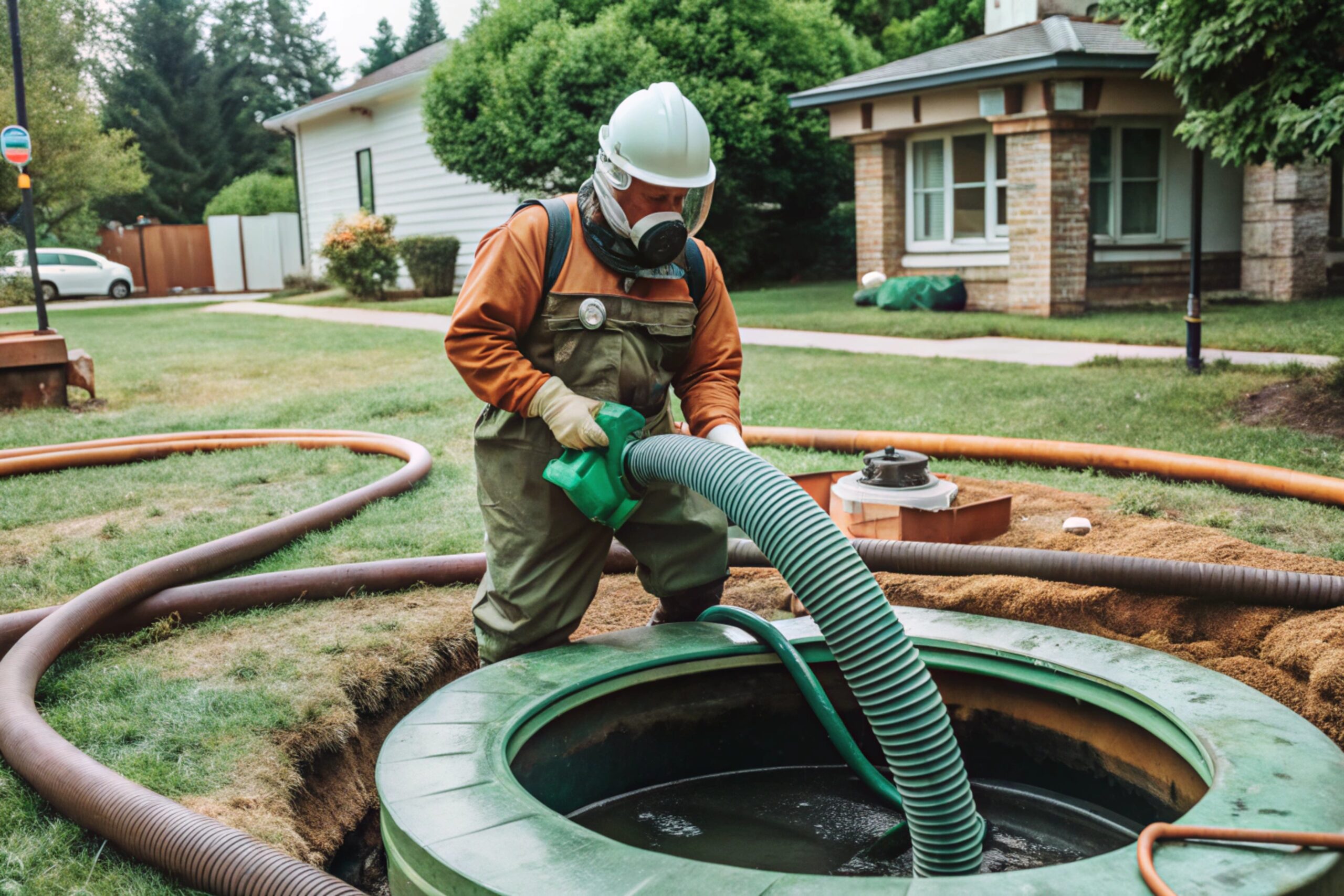
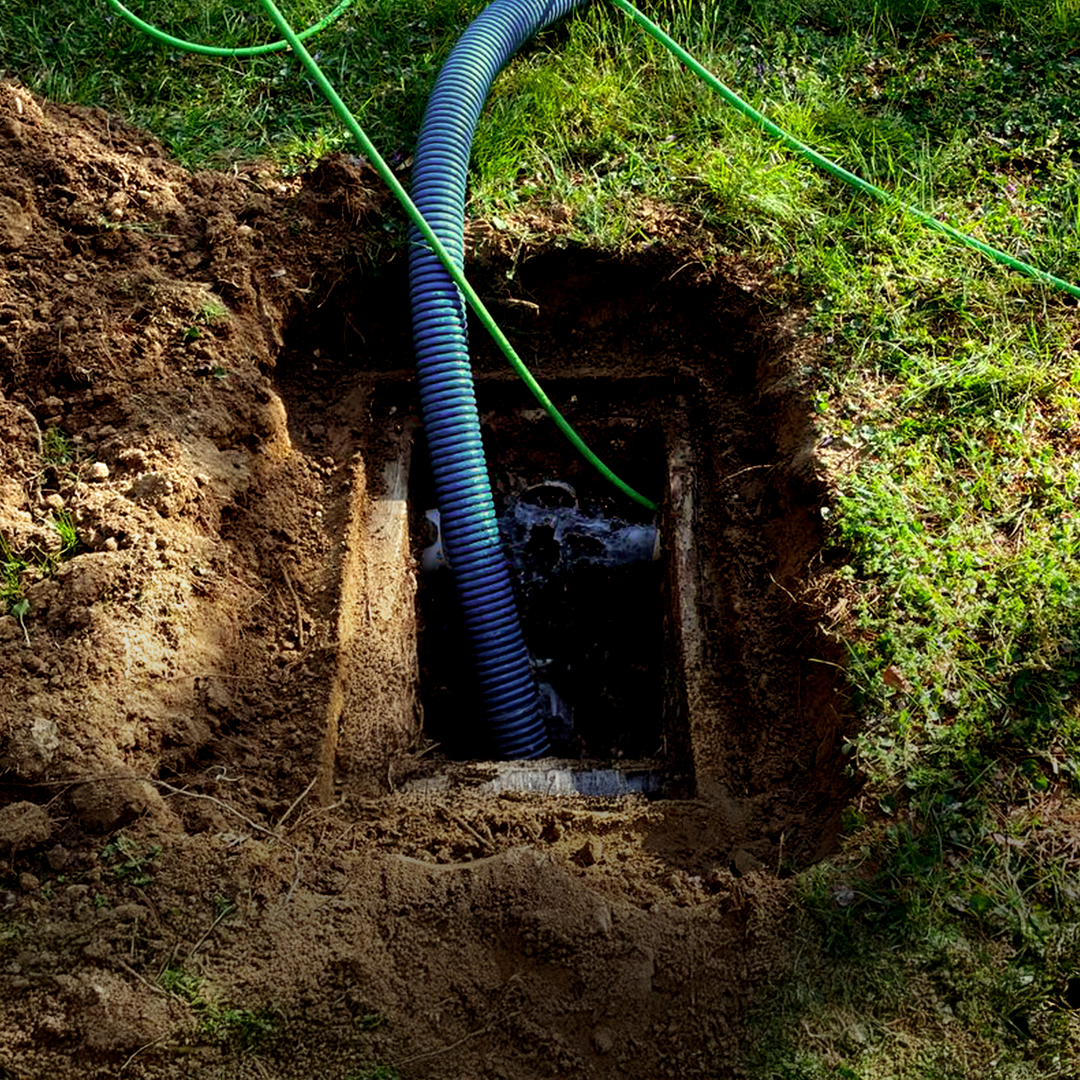
Pumping removes the sludge and scum that build up faster than bacteria can break them down. Skip it long enough and solids push into your drain field, where they cause the kind of damage that costs thousands to repair instead of a few hundred to prevent.
Septic Tank Pumping Schedule by Household Size
Find your tank size on the left and your household size across the top. The result is a realistic pumping interval for homes in Delaware and Maryland. These are estimates based on typical water use without a garbage disposal, so treat them as a starting point rather than a guarantee.
| Tank Size | 1–2 People | 3–4 People | 5–6 People | 7+ People |
| 750 gallons | Every 4–5 years | Every 2–3 years | Every 1–2 years | Every year |
| 1,000 gallons | Every 5–6 years | Every 2–4 years | Every 2 years | Every 1–1.5 years |
| 1,250 gallons | Every 6–7 years | Every 3–4 years | Every 2–2.5 years | Every 1.5–2 years |
| 1,500 gallons | Every 7–9 years | Every 3–5 years | Every 2–3 years | Every 2 years |
Not sure what size your tank is? Check your original DNREC septic permit or your property records, or ask our technician to confirm it during your next septic pumping service.
What Changes Your Septic Tank Pumping Frequency?
The table gives you a baseline. These factors can shift your actual schedule by a year or more in either direction:
- Garbage disposal use. Ground food scraps add solids fast. Homes that use a disposal daily often need pumping twice as often.
- Water usage habits. Long showers, back to back laundry days, and leaky fixtures all push more water through the tank and stir up solids.
- Guests and seasonal occupancy. A beach house near Rehoboth that sleeps ten all summer fills faster than its year-round occupancy suggests.
- System age and condition. Older tanks and worn baffles let solids escape sooner. If your system is decades old, shorten the interval and pair pumping with septic tank repairs when the inspection finds worn components.
- What goes down the drain. Wipes, grease, and harsh chemicals either add bulk or kill the bacteria doing the digestion work.
Signs Your Septic Tank Is Full and Overdue for Pumping
Do not wait for the calendar if your system is already telling you something. Call for service promptly if you notice:
- Slow drains throughout the house, not just one fixture
- Gurgling sounds from toilets or drains
- Sewage odors inside the home or near the tank and drain field
- Wet, spongy grass or standing water over the drain field
- Unusually green, fast growing grass above the system
- Sewage backing up into tubs or floor drains, which is an emergency
Also Read: Septic Tank Cleaning: 6 Mistakes You Don’t Want to Make – The most common maintenance mistakes we see, and how to avoid them.
Can You Stretch the Schedule With Additives?
No. Additives do not replace pumping, and some can actually harm your system by keeping solids suspended so they flow into the drain field. Regular pumping on a schedule matched to your household size is still the cheapest insurance a septic owner can buy.
Also Read: Septic Tank Additives: Do They Really Work? – What the science says about additive claims.
Our licensed team brings 42+ years of combined experience to every job. We handle everything from routine pumping to full system work across Delaware septic services in Sussex, Kent, and New Castle counties, plus Queen Anne’s, Caroline, and Kent counties in Maryland.
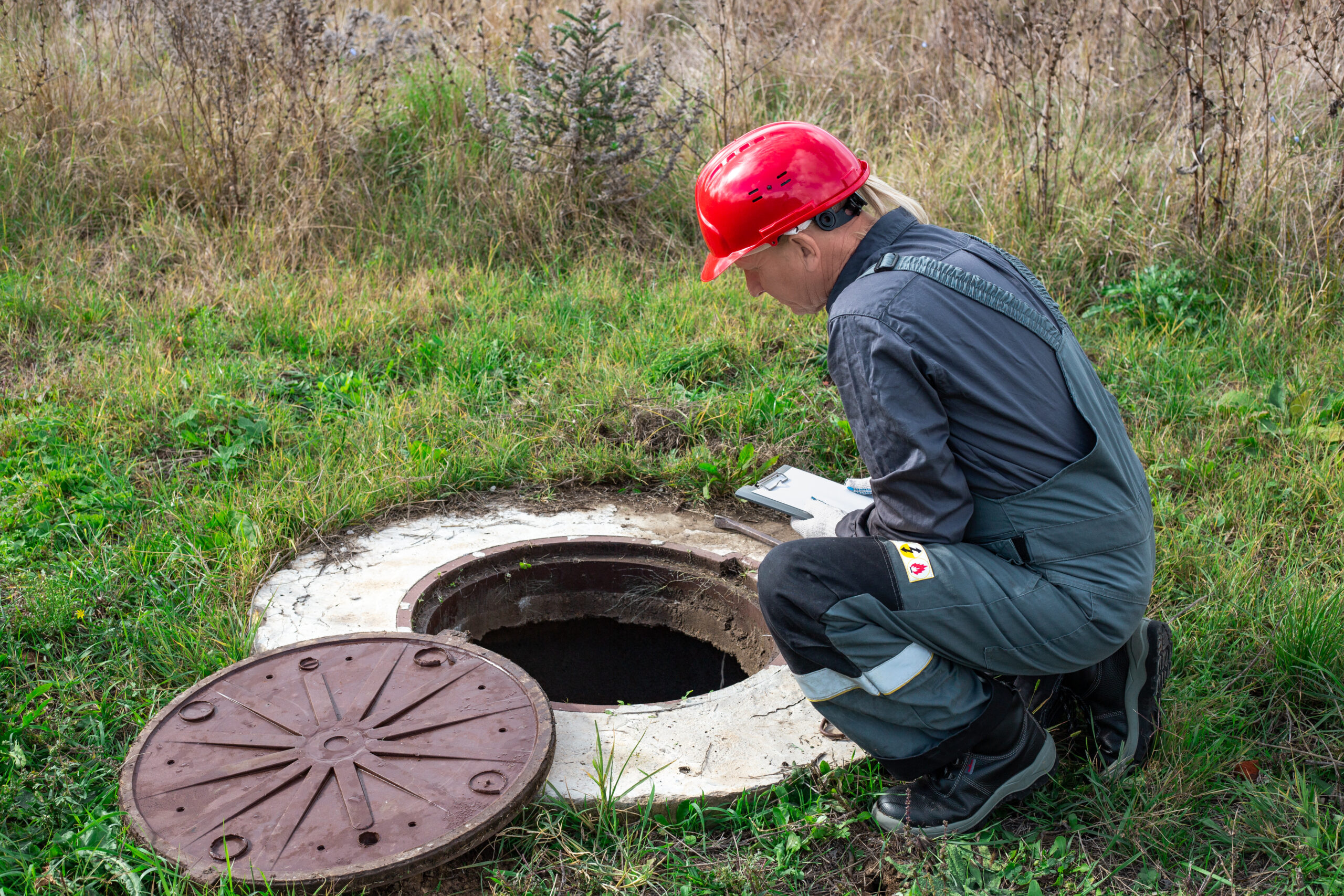
When our technicians pump your tank, they also check sludge levels, baffles, and tank condition, so you leave with a real recommendation for your next service date instead of a generic guess.
Put Your Pumping Schedule on Autopilot
You do not have to track any of this yourself. Our team records your tank size, household details, and sludge levels at every visit, then reminds you when the next service is due. Schedule your septic pumping online or call Septic Masters at +1 302-861-0433 and we will take it from there.