When it comes to restaurant grease trap cleaning, it isn’t a task you can push to the back burner. It’s a core part of operating a safe, compliant, and functional commercial kitchen. Whether you run a busy steakhouse in Dover or a family diner on Maryland’s Eastern Shore, understanding your grease trap and keeping it serviced is as important as any other part of your operation.
This post breaks down how grease traps work, why regular service matters, how often your trap should be cleaned, and what happens when maintenance gets skipped for too long.
What Is a Grease Trap and Why Does Your Restaurant Have One?
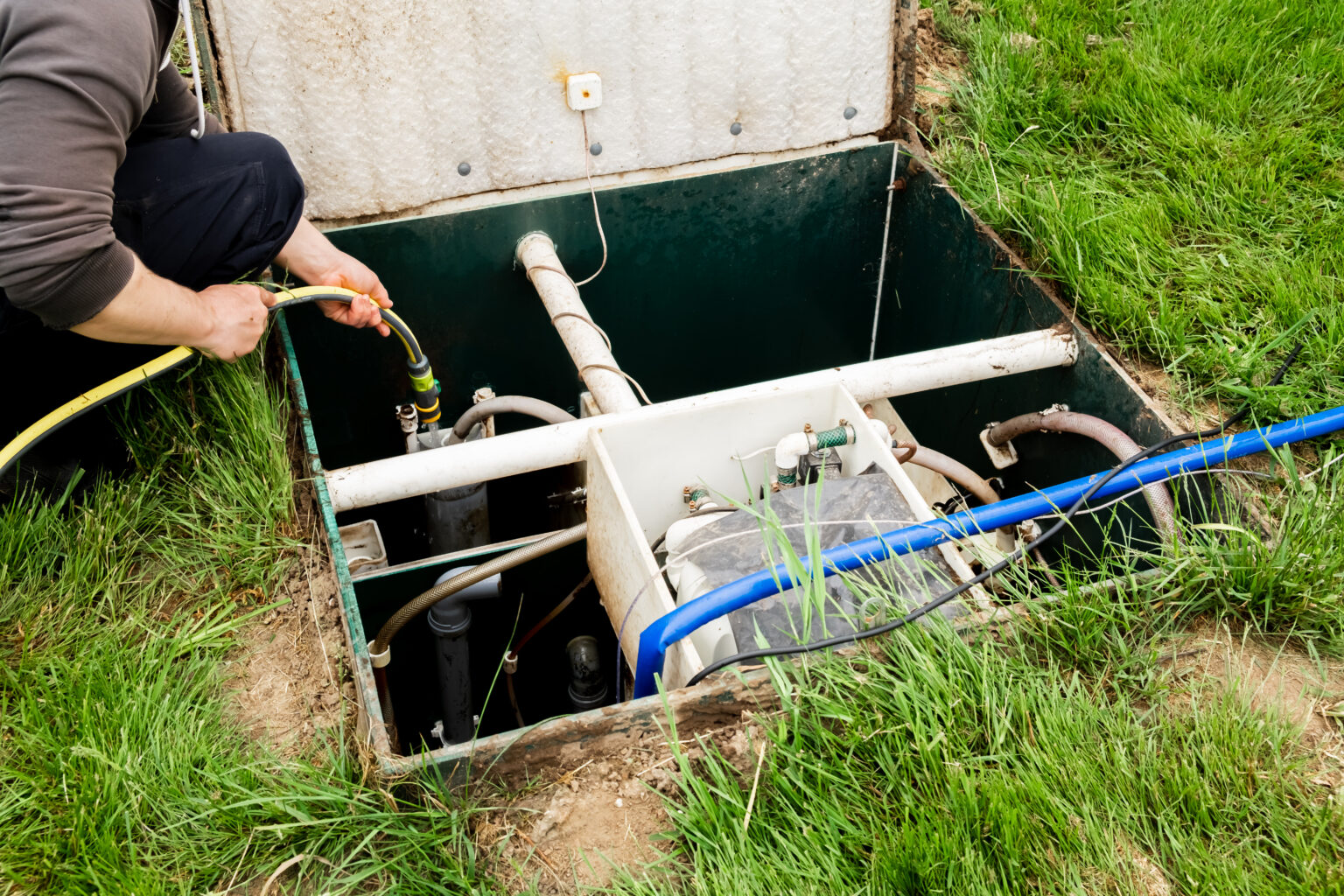
A grease trap, sometimes called a grease interceptor, is a plumbing device installed between your kitchen drains and the main sewer line. Its job is straightforward: slow down wastewater long enough for fats, oils, and grease (FOG) to cool, separate, and float to the surface before the water continues downstream.
Without a grease trap, that FOG travels directly into municipal sewer lines — where it solidifies, builds up, and eventually causes blockages. Environmental regulations in Delaware, Maryland, and across the country require food service establishments to install and maintain these devices for exactly that reason.
What many restaurant owners don’t realize is that the trap only works when it’s properly maintained. Once it fills beyond capacity, it stops intercepting grease effectively — and the same material you were trying to keep out of the sewer system starts finding other exits: back through your drains, into your kitchen, or directly into the municipal line.
How Often Should Grease Traps Be Cleaned in Restaurants?
The answer most industry professionals agree on is every one to three months. They consistently point to this range as the baseline for most commercial kitchens operating under normal conditions.
But that window can shift significantly based on several variables.
- The 25% rule: A more precise trigger for cleaning is the 25% rule: once fats, oils, grease, and solids make up one-quarter of your grease trap’s total volume, it’s time for a service. At that point, the trap is no longer operating efficiently, and FOG begins bypassing the trap entirely.
For high-volume kitchens: steakhouses, fryers, or large-capacity dining operations, the 25% threshold can be reached in a matter of weeks. Smaller cafes or establishments with lighter menus may be able to stretch toward the three-month end of the range. The type of food you’re serving matters just as much as how much you’re serving.
What Local Regulations Require
In many jurisdictions, grease trap maintenance isn’t optional; it’s regulated. A common legal baseline is a mandatory cleaning every 90 days, regardless of how full the trap appears. Some municipalities require even more frequent service. Many cities and counties set grease trap cleaning frequency as a condition of operating a food service establishment.
Local health departments can request cleaning records going back years. Failing to produce documentation or falling behind on the schedule can result in fines, failed inspections, or temporary closure. That’s why partnering with a reliable grease trap service provider and keeping thorough records of every visit is a non-negotiable part of running a compliant kitchen.
What Happens When Grease Trap Maintenance Gets Skipped?
The early signals of a grease trap that’s overdue for service are subtle. Drains run a little slower than usual. There’s a faint odor in the kitchen that wasn’t there before. A few fruit flies appear near the floor drains. These are easy to overlook during a busy service.
Here’s what many operators don’t realize: those warning signs typically appear 48 to 72 hours before a complete blockage. By the time the drain is fully backed up, the problem has already escalated beyond a simple cleaning.
The Real Cost of Skipping a Service
Ignoring grease trap maintenance leads to consequences that go well beyond a service call. A fully blocked grease trap can cause:
- Sewage backups into the kitchen or dining area
- Health code violations and failed inspections
- Pest infestations are attracted by FOG buildup and foul odors
- Fines from local environmental or health authorities
- Temporary or permanent closure of the establishment
When You Need Emergency Grease Trap Pumping
Emergency grease trap pumping becomes necessary when a trap fails suddenly or is critically beyond capacity. This isn’t a situation you want to schedule around; it needs to be addressed immediately. Signs that you’re at the emergency stage include:
- Complete drain backup with standing water in the kitchen
- Visible grease overflow from the trap or floor drains
- Strong, persistent odors that have spread into dining areas
- Any sewage backup making its way into food preparation zones
At this point, operations typically need to be paused until the system is cleared. Emergency service costs significantly more than scheduled maintenance, and that’s before factoring in lost revenue, inspector follow-up, or required documentation.
How to Avoid the Emergency Call Entirely
The most effective way to avoid emergency situations is a consistent maintenance schedule built around your kitchen’s actual usage, not just the calendar. A good commercial grease trap cleaning service will track your trap’s fill rate over time, adjust service intervals based on real data, and flag issues before they become emergencies.
Daily Habits That Support Grease Trap Health
Proper restaurant grease trap cleaning extends beyond scheduled service visits. Kitchen staff habits play a significant role in how quickly a trap fills and how well it performs between cleanings. A few practices that make a measurable difference:
- Scrape plates and cookware before rinsing to minimize FOG entering the drain
- Dry-wipe greasy pots and pans before washing them
- Recycle used cooking oil rather than pouring it down the drain
- Use drain strainers to capture solid particles before they reach the trap
- Avoid hot water rinses on heavily greased surfaces, as this temporarily liquefies FOG that can resolidify further down the line
These habits won’t replace professional pumping, but they can meaningfully extend the time between service visits and reduce the likelihood of between-visit blockages.
Conclusion
Regular grease trap service protects more than your pipes. It protects your license, your reputation, and your ability to open the doors every day. The consequences of skipping scheduled maintenance build up quietly and then become very loud, very quickly.
Septic Masters provides grease trap pumping and truck services for commercial and food service operations across Delaware and Maryland’s Eastern Shore. Whether you need to establish a regular maintenance schedule or are dealing with an urgent situation right now, the team at Septic Masters is equipped to help. Schedule your grease trap service today.