The holidays are magical! Your home fills with laughter, the kitchen buzzes with activity, and everybody is in good spirits. While a full house means more joy and celebration, it also means extra strain on your home’s septic system. Understanding how to prevent septic system issues during holiday gatherings could save you from a very unpleasant surprise.
Why Holiday Guests Put Your Septic System to the Test
Think about your typical day. Now imagine doubling or tripling every activity that uses water. That’s exactly what happens when guests arrive for the holidays. Extra showers before dinner, constant dishwasher cycles, mountains of laundry, and toilets flushing around the clock can push your system beyond its designed capacity.
Your standard septic tank holds between 1,000 and 1,500 gallons, designed for your household’s normal daily flow. When Uncle Bob takes his 20-minute shower, and Aunt Susan runs three loads of laundry in one afternoon, you’re suddenly asking your system to handle 50 to 100 percent more water than usual.
This surge can overwhelm the tank and flood the drainfield, leading to serious septic system problems that nobody wants to deal with during family time.
Winter adds another layer of complexity. When temperatures drop below 50°F, the beneficial bacteria in your tank that break down waste work at roughly half their normal efficiency. Frozen ground also slows drainage, making it even harder for your system to keep up with the holiday rush.
A Few Smart Septic Tank Maintenance Tips
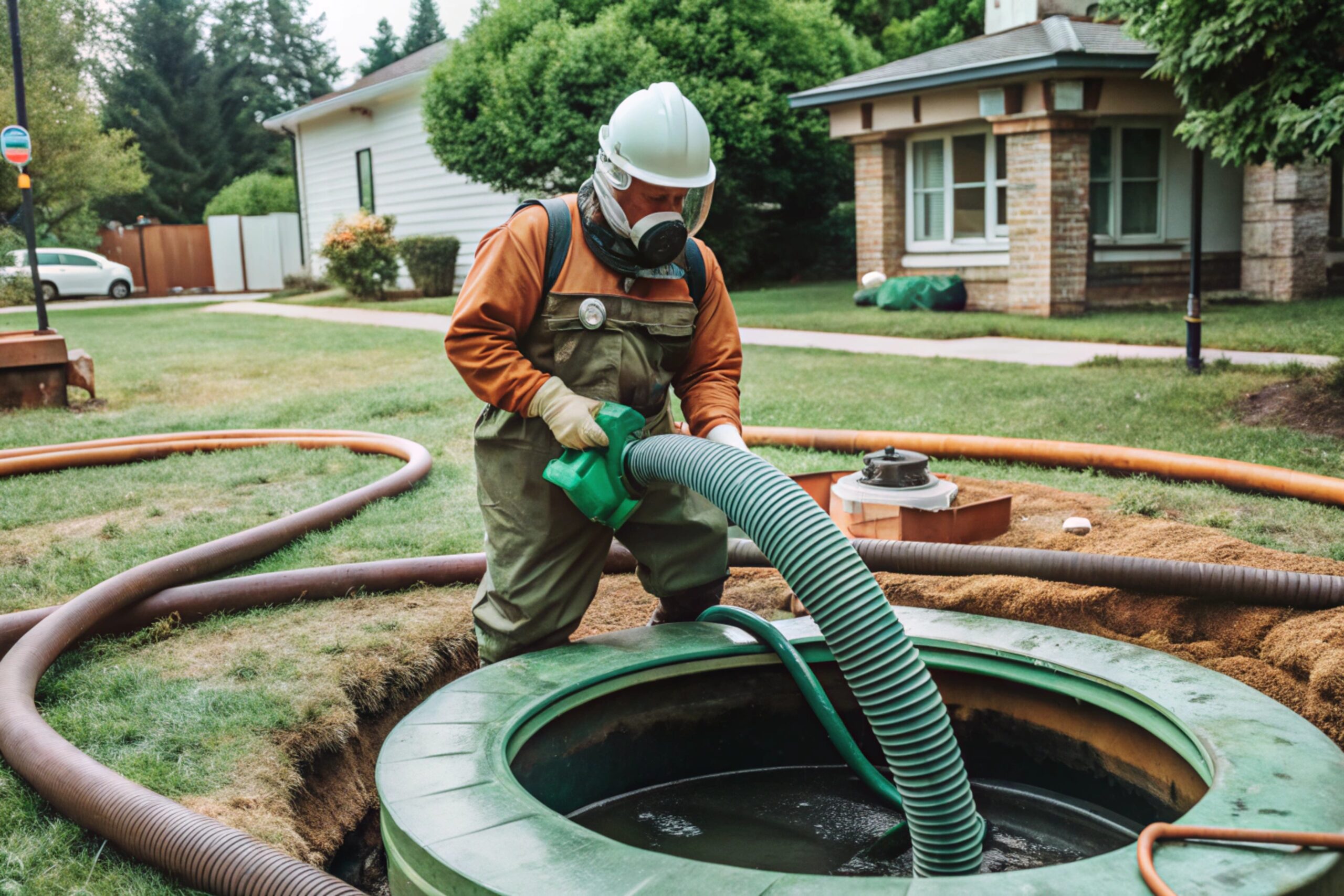
The best time to prevent septic system issues is before your first guest pulls into the driveway. Schedule a professional pumping about four to eight weeks before the holidays if you haven’t had service in the past two to three years. This removes accumulated solids and creates essential buffer space for the increased load ahead.
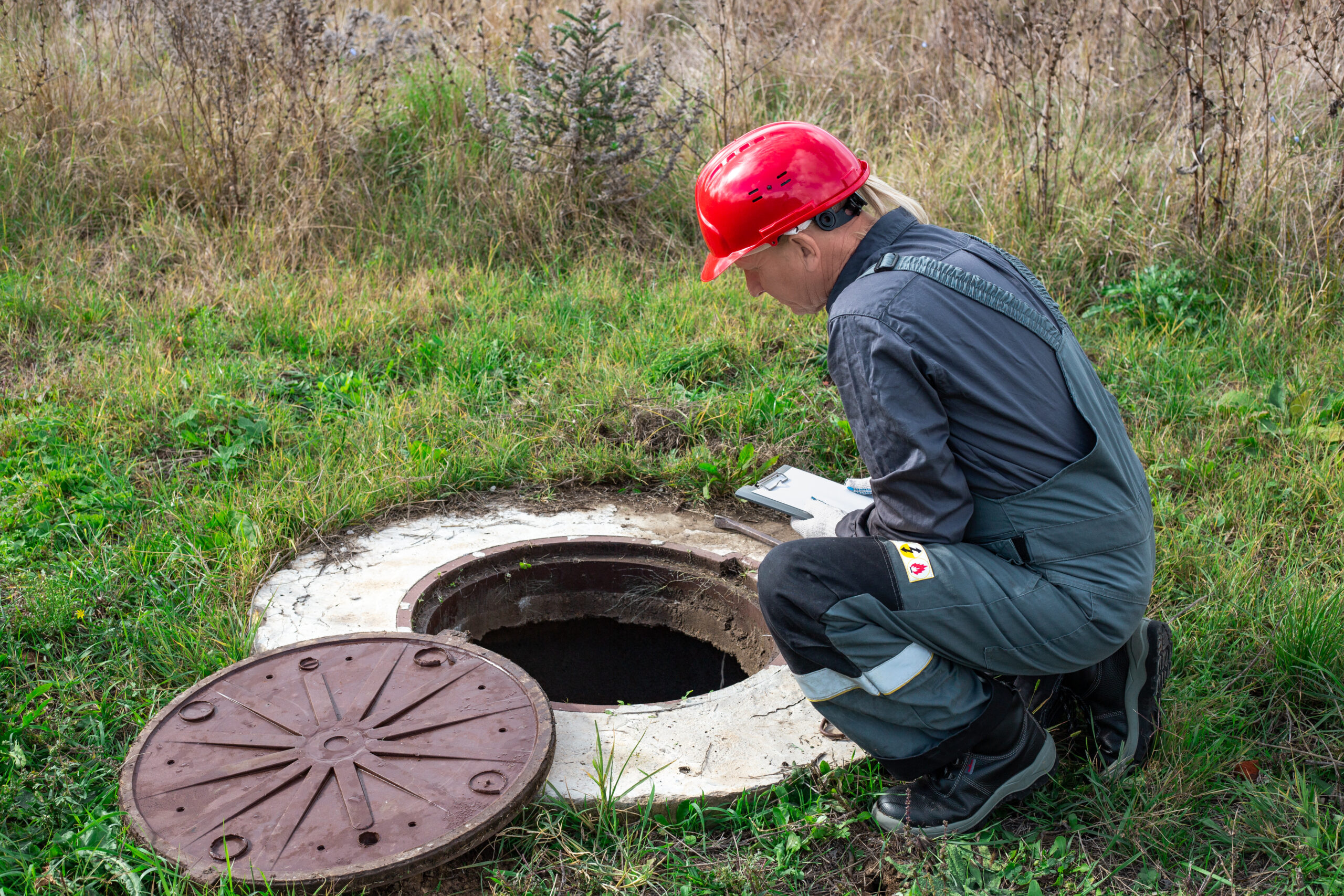
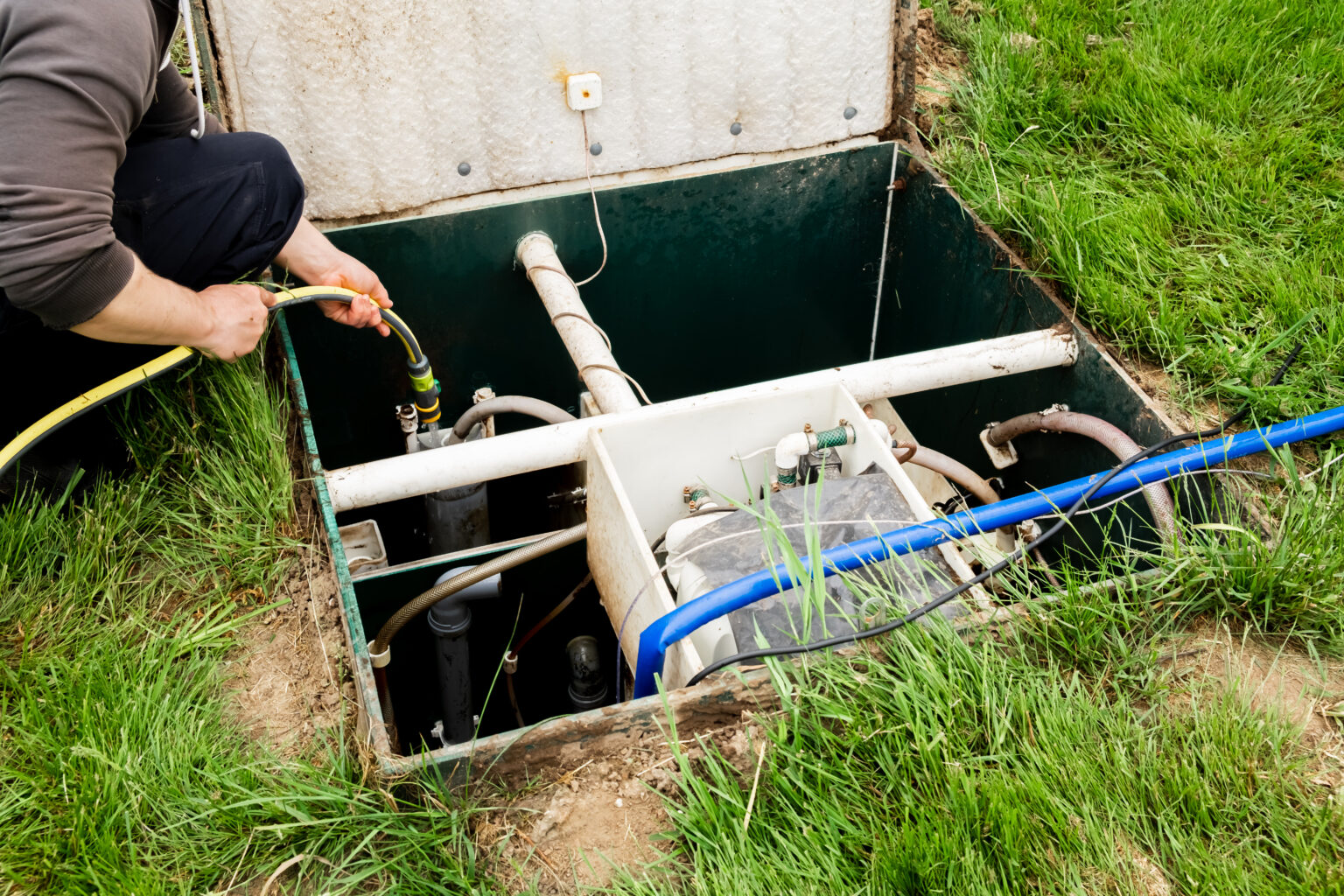
During this visit, ask your technician to inspect critical components like baffles, inlet and outlet tees, and your pump if you have one. These septic tank maintenance tips might seem like an extra expense, but they’re nothing compared to emergency repairs that can cost anywhere from $3,000 to $15,000.
Consider adding biological enzyme treatments to your tank a few weeks before guests arrive. These beneficial bacteria boosters help your system digest waste more efficiently, giving it extra strength when you need it most.
Holiday Hosting Tips That Protect Your Plumbing
Successfully managing extra guests means coordinating water usage strategically. Ensure that they follow this set of rules when they come over for the holidays:
- Instead of everyone showering at once in the morning, create a staggered schedule. Encourage shorter showers by setting friendly time limits of around four to five minutes.
- Laundry is one of the biggest septic stressors during holiday hosting. A single load can use 20–30 gallons of water, and running several back-to-back loads can overwhelm your system. To keep things flowing smoothly, save the big pile of towels and linens for after guests leave, or spread laundry out over a few days. Stick to full loads and wash in cold water whenever possible.
- Your dishwasher is another water guzzler. Run it only once daily, preferably at night when other water usage drops. Fill it before starting, and use the eco-cycle if available. For food scraps, composting beats using your garbage disposal every time. Composting can cut the solids entering your system by up to 25 percent.
Also Read: Why Winter Is the Best Time for a Septic System Inspection
Understanding the Signs of Septic System Failure
Knowing the signs of septic system failure helps you catch problems before they become disasters. Here are a few you should know:
- Pay attention to your drains. If sinks, showers, or toilets drain slowly or make gurgling sounds, your system is struggling. These noises mean air is trapped in your pipes because water isn’t flowing through properly.
- Your nose knows trouble, too. Sewage odors inside or outside your home signal that waste isn’t being processed correctly. Take a walk around your property daily during the holidays.
Look for unusually green or lush patches of grass over your drainfield, wet or soggy spots, or standing water where it shouldn’t be. These signs of septic system failure demand immediate professional attention.
- Indoor backups typically appear first in the lowest drains of your home, often in basement toilets or floor drains. If you notice any backup, stop using water immediately and call for emergency service. Continuing to use water will only worsen the situation.
Winter Septic Tips for Cold Weather
Winter brings unique challenges that make it even more important to prevent septic system issues. These winter septic tips focus on protecting your system from freezing and drainage problems:
- Insulate any exposed pipes leading to or from your tank, especially in unheated crawl spaces or outdoor areas.
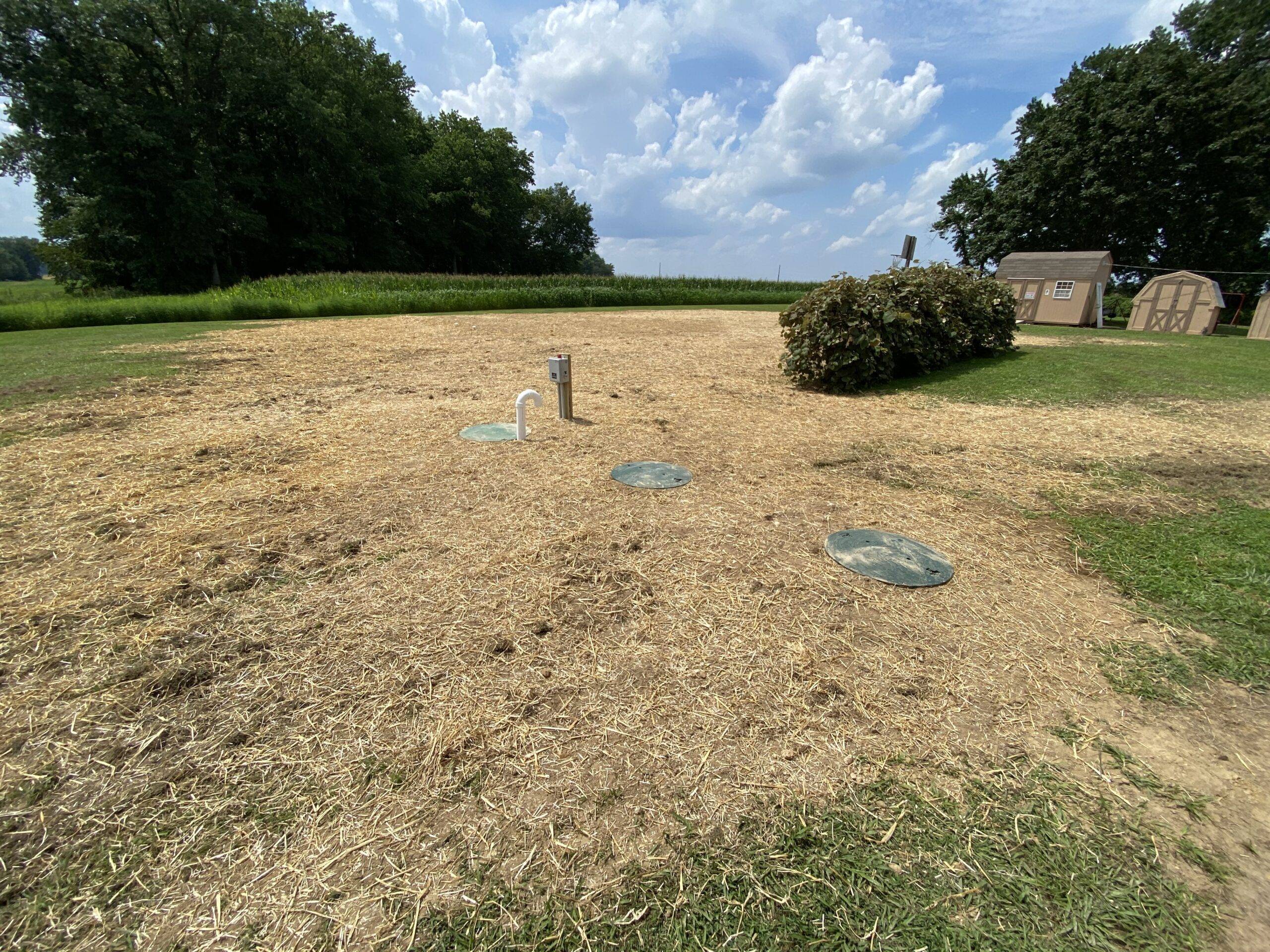
- Keep your drainfield clear of heavy snow accumulation and never drive vehicles or park on it. The weight compacts the soil, reducing its ability to absorb and filter wastewater. If you’re decorating outdoors, avoid driving stakes or posts into the drainfield area.
- Redirect all roof runoff and downspouts away from your drainfield. Extra water from melting snow or winter rain makes it harder for your system to process household wastewater. Mark your drainfield boundaries clearly so guests don’t accidentally park on it or set up temporary structures there.
What Never Belongs in Your Septic System
Make sure every guest knows what belongs in your septic system and what doesn’t. Here are a few reminders for you to convey to them:
- So-called flushable wipes don’t break down like toilet paper. They expand up to ten times their original size and create clogs that jam pumps and block pipes. The same goes for feminine hygiene products, cotton swabs, dental floss, paper towels, and any medication. These items belong in the trash, not your septic system.
- Kitchen drains need protection, too. Never pour grease, oil, or fat down the drain. These substances solidify in your pipes and septic tank, creating stubborn clogs. Use sink strainers to catch food particles and scrape plates into the trash or compost bin before washing.
- Avoid harsh chemical drain cleaners and excessive bleach, which kill up to 90 percent of the beneficial bacteria your system needs to function.
Emergency Response and Recovery
Despite your best efforts, problems can still occur. If you experience backups during the holidays, act quickly. Turn off the water supply to prevent additional flow into an already stressed system. Locate your cleanout access points for emergency pumping, which typically costs between $300 and $800 for rush service.
After the holidays end, give your system some recovery time. Continue using water conservatively for a few weeks. Flush enzyme treatments through your system to help restart beneficial bacterial colonies. Schedule a follow-up inspection in the spring to ensure everything is functioning properly.
Building Long-Term Resilience
The best approach to prevent septic system issues combines immediate holiday preparation with long-term improvements. Consider upgrading to high-efficiency fixtures and appliances that can reduce water usage by 30 to 50 percent year-round. Low-flow toilets, aerated showerheads, and efficient washing machines pay dividends every day, not just during the holidays.
Keep detailed records of your water usage patterns, maintenance schedule, and any problems you encounter. This information helps professionals diagnose issues quickly and helps you plan better for future gatherings.
Also Read: Common Septic Tank Problems in Cold Weather (and How to Prevent Them)
Conclusion
Holiday hosting doesn’t have to mean septic system stress. A little preparation and mindful water management go a long way toward keeping everything flowing smoothly. Your septic system works hard year-round, and during the holidays, it deserves a little extra consideration. If you’d rather head into the season with total peace of mind, or you’ve noticed slow drains, odors, or soggy spots outside, our team can help, and ensure your system is ready for the extra load. Don’t hesitate to schedule a service with us.