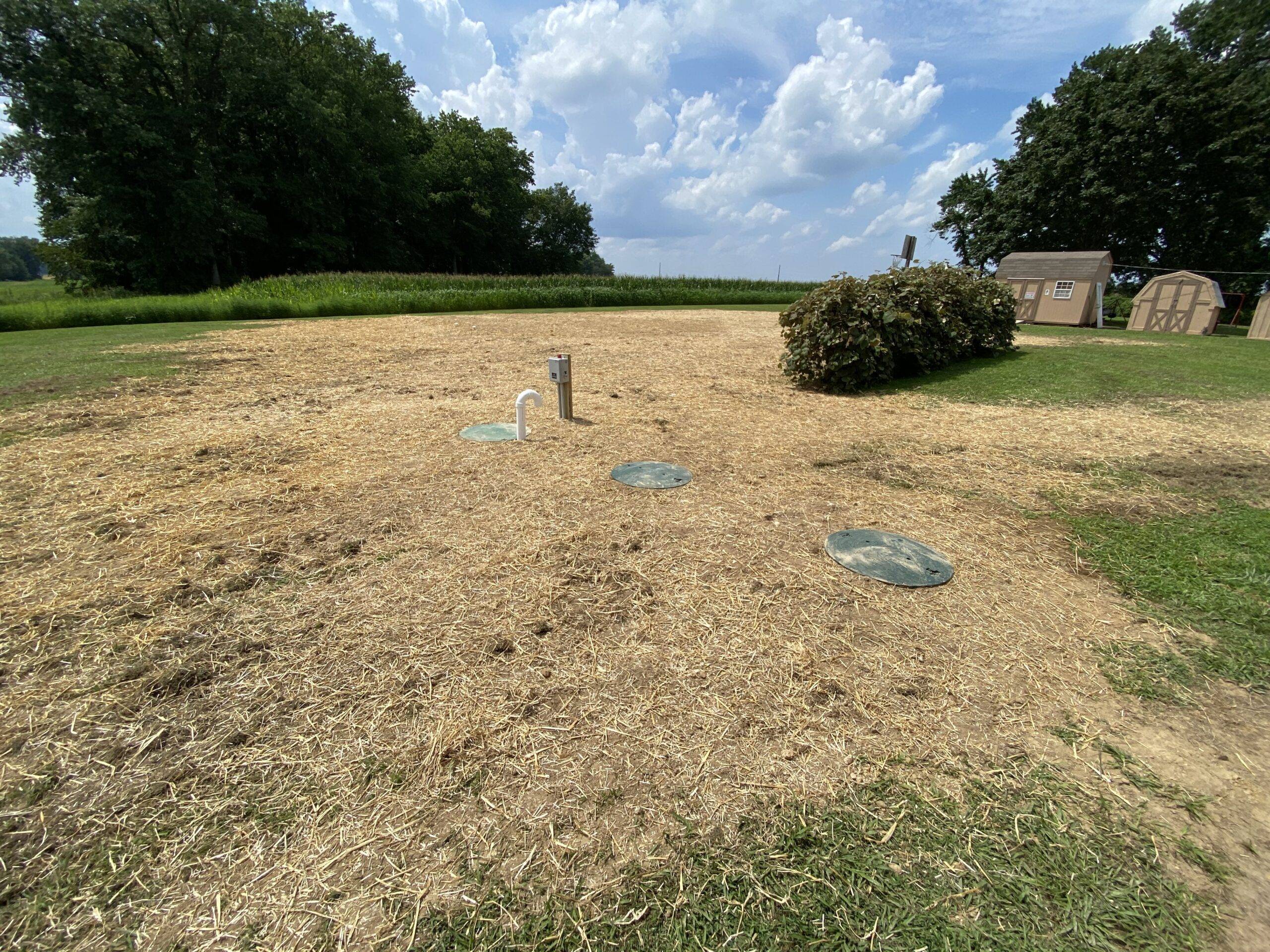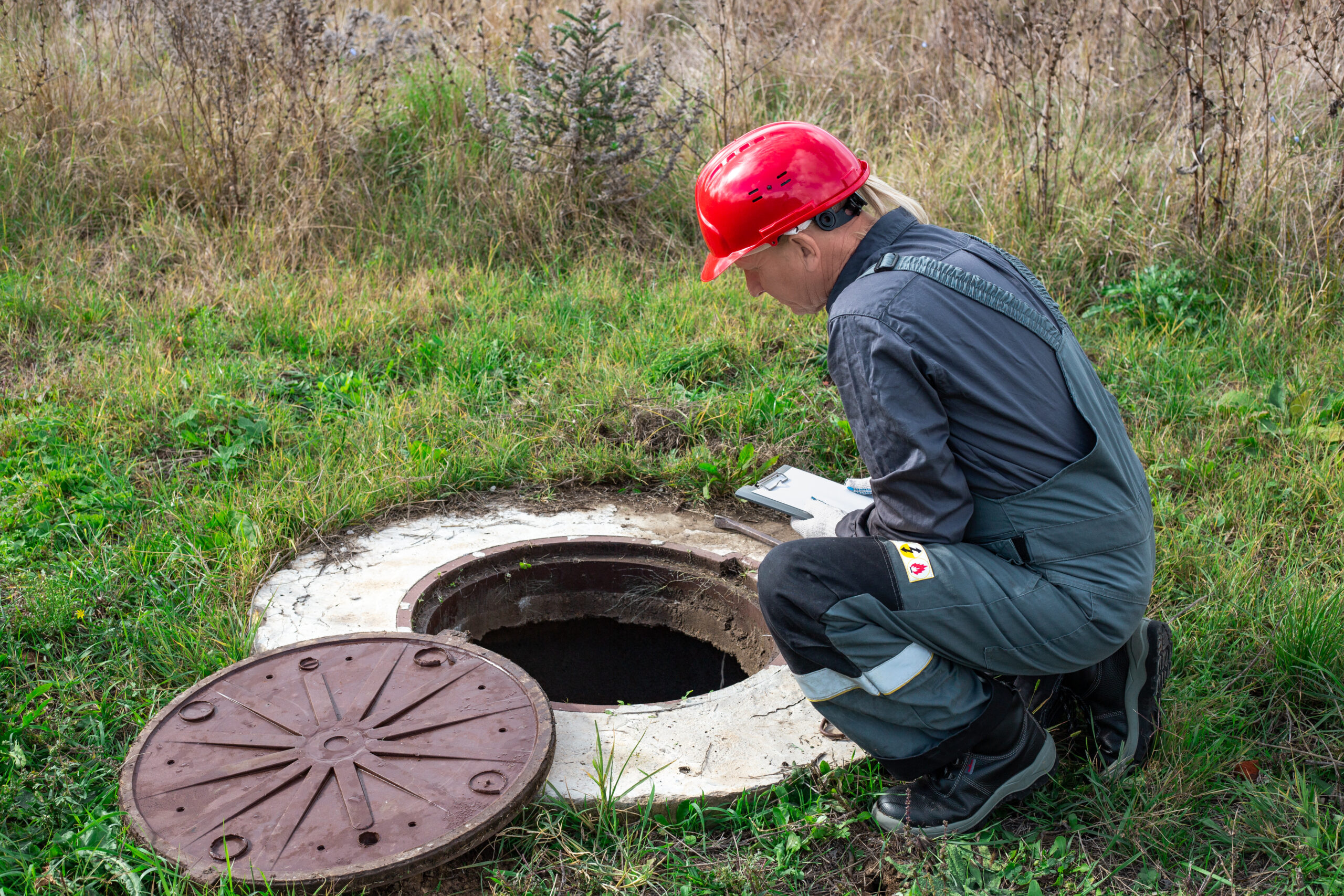
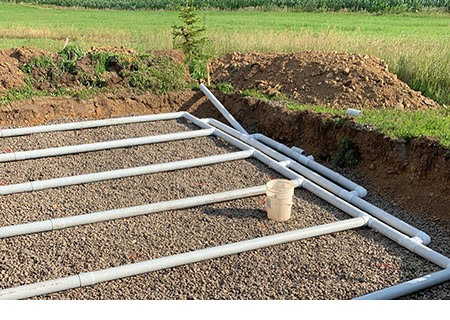
Septic system design is a critical and meticulous process that ensures the efficient management of household waste while minimizing environmental impact and adhering to local regulations. Modern septic designs focus on sustainability, efficiency, and safety. A well-planned septic system not only handles wastewater effectively but also prevents contamination of nearby water sources and preserves the surrounding ecosystem. By carefully following the design process, homeowners can ensure the system operates smoothly, remains durable over time, and complies with legal requirements, ultimately contributing to a safer and healthier living environment.
Understand Local Laws and Regulations
Before designing a septic system, familiarize yourself with local laws and regulations governing septic system installations in your area. Local municipalities or state departments often oversee the approval process, depending on the project’s scope. For instance, smaller systems may fall under local jurisdiction, while larger systems may require state-level approval. Carefully review these regulations to ensure compliance from the very beginning.
Non-compliance with regulations can result in redesigning your project, wasting valuable time and resources. Always consult the authorities before planning your septic system.
Conduct Soil Tests for Feasibility
The design of the septic tank relies heavily on soil quality, as it determines how well wastewater is absorbed and treated within the septic drain field design. Soil with flat grains can compact, causing drainage issues in the leaching system. Conduct a percolation test or hire a civil engineer to create a detailed soil report for the project.
When planning residential septic system designs, homeowners must consider soil type, tank size, and local regulations for optimal performance. Understanding the soil composition ensures you select the right type of septic system for the property. Different soil types and combinations significantly impact septic field design and overall system efficiency.
Choose the Right Type of Septic System
Various septic system designs cater to different soil and property conditions. The most common septic drain field design includes a septic tank and drain field, which treats wastewater naturally.
Local health codes may dictate the appropriate type of system based on your soil report. For residential purposes, a 1,500-gallon tank often suffices, but specific requirements depend on local regulations and property size.
Determine the Size of the Septic Field
The size of the septic field depends on soil drainage capacity, household usage, and property size. Larger homes with poor-draining soil require bigger septic fields for optimal performance and effective septic field design.
Local regulations often specify how far the septic field must be from structures, property lines, and natural water sources. In Connecticut, for example, the calculation considers the number of bedrooms rather than residents. This ensures sufficient capacity for current and future household needs.
Plan the Drainage System
Your septic system’s drainage pipes must be buried approximately 30 inches below the surface, following a downward slope. This slope plays a vital role in gravity-based flow, a key element in efficient septic drain field design.
Precision in measurements and pipe alignment is crucial to avoid drainage issues. Proper planning enhances system performance and reduces the risk of clogging or system failure.
List Required Materials for the System
Prepare a detailed list of materials, including pipe dimensions, gravel, pipe connections, and joints. Accurate budgeting is essential for completing your septic system design within the planned cost.
Choosing durable materials is an important part of long-lasting septic designs, ensuring the system operates effectively for years while minimizing maintenance and repair costs.
Obtain Approval for Your Design
Once the septic system design is complete, submit your plans to the appropriate authorities for approval. This step ensures your septic field design complies with local laws and environmental safety standards.
Approval processes vary by location, but they play a critical role in protecting public health and natural resources. Properly functioning septic systems prevent contamination of groundwater and public waterways.
Hire an Engineer for Expert Assistance
Designing a septic system demands precision, as even small measurement errors can disrupt functionality. Hiring an experienced civil engineer can save time and eliminate costly mistakes.
Engineers ensure your septic system design aligns with local regulations, soil conditions, and modern septic designs, creating a sustainable and efficient waste management solution tailored to your property.
Conclusion
Septic system design is a precise, multi-step process that involves understanding local laws, soil testing, and selecting the right septic drain field design. Ensuring compliance with regulations and accurate measurements is vital for creating a reliable and eco-friendly septic system. For a seamless process, consider hiring a professional engineer to guide you through the design and installation phases. A well-executed septic field design protects the environment, enhances property value, and ensures long-term functionality.
Ready to design an efficient and compliant septic system? Consult a professional engineer today to ensure a seamless installation that meets all regulations and safeguards the environment!