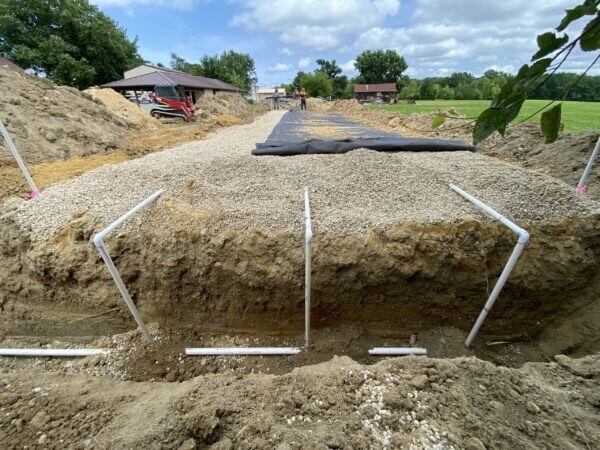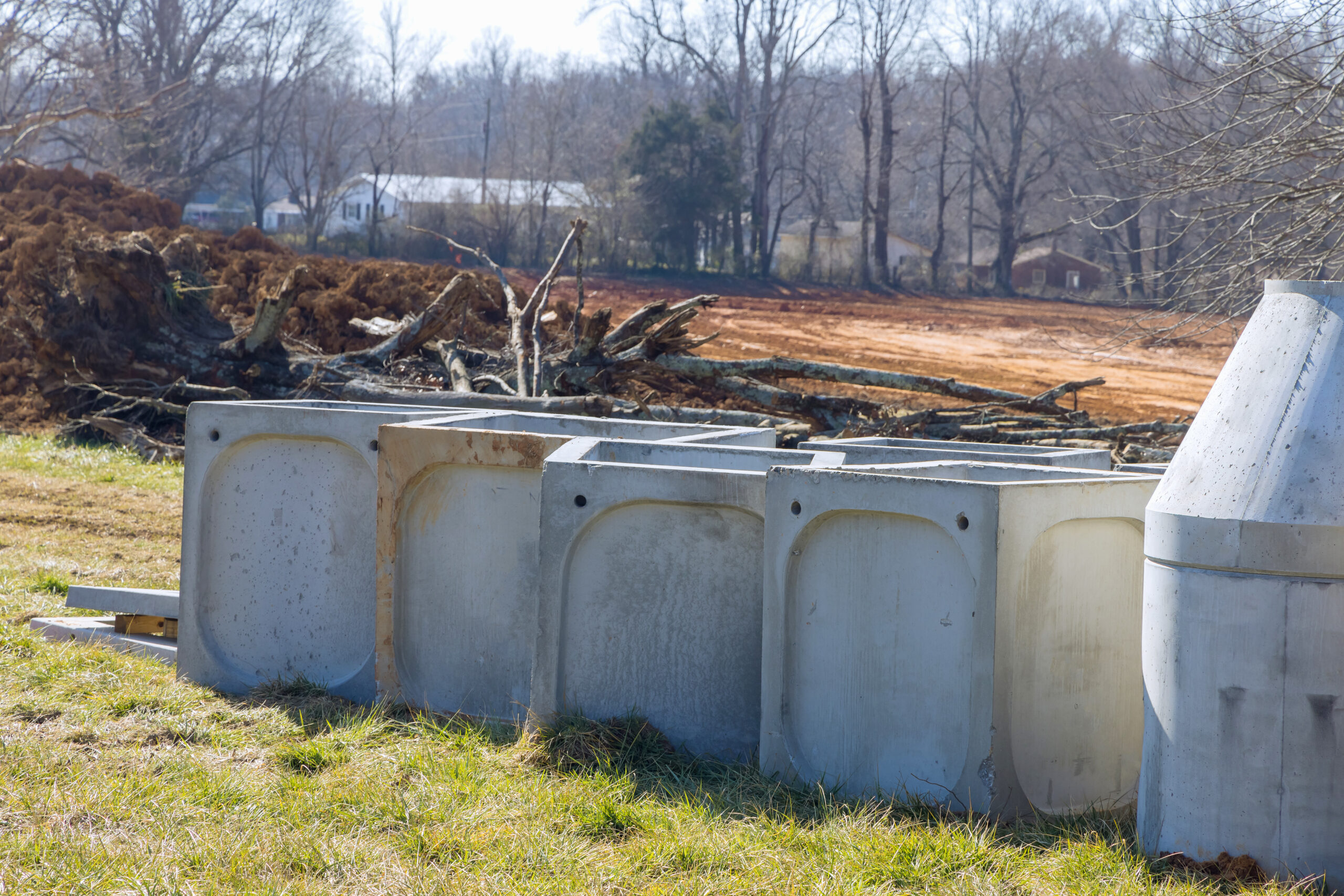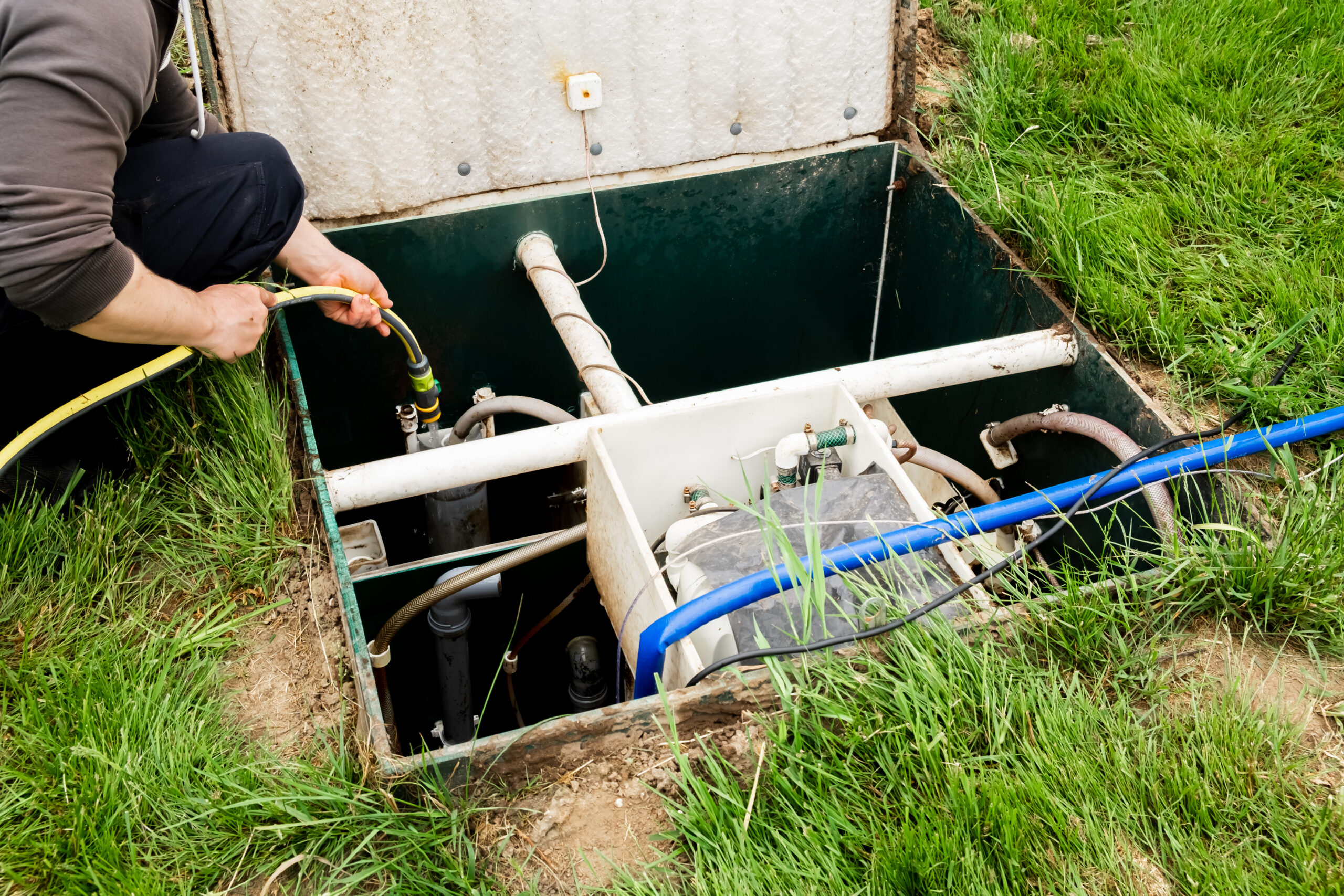
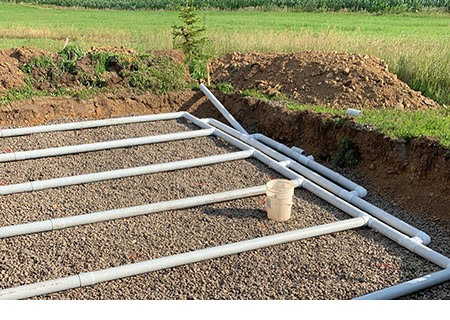
When your septic system starts acting up, timing becomes everything. If you’re facing a potential septic drain field replacement as winter approaches, you’re probably wondering whether you should push through with the work or wait for warmer weather. The short answer? Winter generally ranks as the most challenging season for this type of project, though it’s not impossible when you’re dealing with an emergency.
Understanding the Winter Drain Field Dilemma
Let’s be honest! Winter and drain field work don’t exactly go together like peanut butter and jelly. The main culprit is frozen ground, which can extend anywhere from 12 to 24 inches deep in northern regions. This creates a massive headache for excavation work. Think about trying to dig through concrete, and you’ll get the idea.
But here’s where it gets interesting. While winter poses serious challenges, certain situations might actually make it your only option. If your system completely fails during the holidays and sewage starts backing up into your home, you’re not going to wait until spring. Nobody wants that kind of house guest during Thanksgiving dinner.
The Major Challenges of Winter Drain Field Replacement
Frozen Ground Makes Everything Harder
When temperatures drop below freezing, soil becomes incredibly difficult to work with. Contractors often need to bring in specialized equipment like propane heaters, steamers, or heated blankets just to thaw the ground enough for digging. This isn’t your typical weekend project anymore; it requires serious machinery and expertise.
The frozen leach field problem extends beyond just digging difficulties. Once you start excavation, you’re working against the clock before the exposed ground freezes again. This pressure can lead to rushed work or extended timelines, neither of which is ideal when you’re dealing with something as critical as your septic system.
Drain Field Replacement Cost Skyrockets
Here’s something that’ll make your wallet wince: winter installations typically cost 30 to 60 percent more than the same work done in warmer months. That’s not contractors trying to gouge you–it’s the reality of needing specialized equipment, slower work conditions, and additional materials to protect against frost damage.
Labor costs rise because workers can only put in shorter shifts when it’s bitterly cold outside. Equipment takes longer to operate safely in icy conditions. Even transporting materials becomes trickier when snow and ice cover the roads. All these factors add up quickly.
Water and Saturation Issues
Winter brings another sneaky problem: elevated groundwater levels. Snowmelt and winter rain can saturate the soil, creating conditions that are terrible for a new drain field. Proper septic drain field replacement requires soil that can absorb and filter wastewater effectively. When the ground is waterlogged, percolation tests fail, and your new system might not function properly right from the start.
This saturation issue doesn’t just affect installation! It impacts long-term performance too. A drain field installed in overly wet conditions may develop clogs or drainage problems that plague you for years to come.
Also Read: How to Extend the Lifespan of Your Septic System: Expert Tips
When Winter Installation Actually Makes Sense
Emergency Situations
Sometimes life doesn’t give you a choice. If your drain field completely fails in January and you have no backup system, you need immediate action. In these cases, professional contractors can adapt their methods to work around winter conditions. They might use elevated mound systems, gravel-less chambers, or special insulated backfill materials designed specifically for cold-weather installations.
The key is working with experienced professionals who understand how to handle frozen drain field challenges. They know the tricks of the trade that can make winter installation successful despite the obstacles.
Faster Scheduling
One genuine advantage of winter work is availability. During peak season in summer, you might wait months to get on a contractor’s schedule. In winter, that wait time often shrinks to just days or weeks. For urgent situations, this quick turnaround can be invaluable.
Contractors appreciate winter work too when they’d otherwise face slower business. This sometimes translates to more flexible scheduling and contractors who are willing to go the extra mile to secure the job.
Why Spring Through Fall Wins for Drain Field Maintenance and Replacement
Spring Offers Ideal Conditions
As winter thaws, spring emerges as one of the best times for septic drain field replacement. The ground becomes workable again, temperatures moderate, and beneficial bacteria in your septic system can establish themselves more easily. The main downside is potential mud from snowmelt, but this is far more manageable than frozen ground.
Summer Provides Dry Ground
Summer takes the crown for easiest installation conditions. Dry soil digs easily, percolation tests give accurate results, and contractors can work long days thanks to extended daylight. Your new drain field can also recover faster, with grass and vegetation regrowing quickly to stabilize the area.
The catch? Summer is peak season, which means higher demand and potentially increased prices. You’ll also want to be mindful of household water usage immediately after installation, as heavy water consumption can stress a newly installed system.
Fall Offers a Sweet Spot
Fall combines many of spring’s advantages with the bonus of drier conditions. You get moderate temperatures, stable soil, and the chance to complete work before winter freezes everything solid again. The main risk is waiting too long—late fall installations can run into early frost problems that complicate the work.
Also Read: How to Properly Dispose Household Waste to Protect Your Septic System
Smart Planning for Your Drain Field Replacement
Regardless of when you schedule your work, preparation makes all the difference. Start by having soil percolation tests done well in advance—three to six months ahead if possible. This gives you accurate data about your property’s drainage characteristics and helps you avoid unpleasant surprises.
For properties in areas with high water tables or challenging soil conditions, consider consulting with engineers who specialize in septic systems. They can recommend the best system design for your specific situation, whether that’s a traditional drain field, mound system, or alternative setup.
If you absolutely must proceed with winter installation, budget an extra 20 percent beyond standard quotes to cover unexpected complications. Look for contractors who have specific experience with cold-weather septic work and can show you examples of successful winter installations they’ve completed.
Conclusion
Winter clearly presents the most challenging conditions for drain field replacement cost-wise and logistically. The combination of frozen ground, higher expenses, and potential performance issues makes it the least desirable option for planned replacements. However, when emergencies strike, modern techniques and experienced contractors can make winter installation viable.
For the best results with your drain field maintenance and replacement, aim for late spring through early fall. You’ll enjoy lower costs, faster installation, better system performance, and fewer headaches overall. Mark your calendar, schedule inspections early, and give yourself the gift of good timing. Your septic system (and your bank account) will thank you for it. Remember, whether you’re dealing with a frozen leach field emergency or planning ahead for replacement, the most important factor is working with qualified professionals who understand your local conditions and can deliver quality work regardless of the season.