If you’re building a new home or replacing a failing system, understanding septic system installation costs upfront can save you thousands of dollars — and a whole lot of stress.
Whether you’re in the early planning stages or already getting contractor quotes, this guide breaks everything down in plain language so you can make smart, confident decisions.
How Much Does A Septic System Cost?
Let’s start with the big question most homeowners ask first: how much does a septic system cost?
For most standard residential properties, you’re looking at a range of $3,500 to $12,500. The national average lands around $8,000 to $12,000 for a complete installation.
That said, homeowners in high-cost regions like the Northeast or West Coast — or those dealing with tricky site conditions — can see totals climb to $20,000 or even $35,000 for more advanced engineered systems.
If you understand what drives those numbers, you can budget accurately and avoid nasty surprises.
What Makes Septic System Costs Go Up (or Down)?
System Type Matters More Than You Think
The type of system you need is probably the single biggest cost driver in your septic system setup. Here’s the basic breakdown:
- Conventional gravity-fed systems, which use a tank and a leach field, are the most affordable option at $3,500 to $8,500. They work well on properties with good soil and plenty of space.
- Aerobic treatment units, which actively aerate the wastewater before it reaches the drain field, run between $7,000 and $18,000 — a solid choice for smaller lots or areas with higher water tables.
- Then there are engineered options like mound systems ($10,000 to $25,000) and drip irrigation systems ($15,000 to $35,000), which come into play when the soil just won’t cooperate with standard designs. These require pumps, electrical connections, and specialized engineering, all of which add to the new septic system cost.
Soil Conditions Can Make Or Break Your Budget
Before any contractor breaks ground, the soil needs to pass a percolation test — a “perc test” — that measures how well it drains.
A basic perc test runs $150 to $900, while more detailed evaluations can reach $2,000. If your soil drains too slowly or too quickly, you may need a more complex drain field design, which bumps the cost to install a septic system significantly higher.
Rocky terrain, steep slopes, or high groundwater can add another $3,000 to $8,000 to your excavation bill. These aren’t costs contractors make up — they reflect real equipment time and labor.
Tank Size and Material
Choosing the right tank size is about matching your household’s daily water use. A good rule of thumb is 150 gallons per person per day.
A 1,000-gallon tank covers most 2-to-3-bedroom homes and costs between $1,000 and $2,000.
Larger homes may need 1,500 gallons or more, adding another $500 to $1,500.
Material choice also matters for long-term value. Plastic tanks are the most budget-friendly ($1,000 to $1,500) but typically last around 20 years.
Fiberglass tanks fall in the middle range at $1,200 to $2,000 and resist corrosion well.
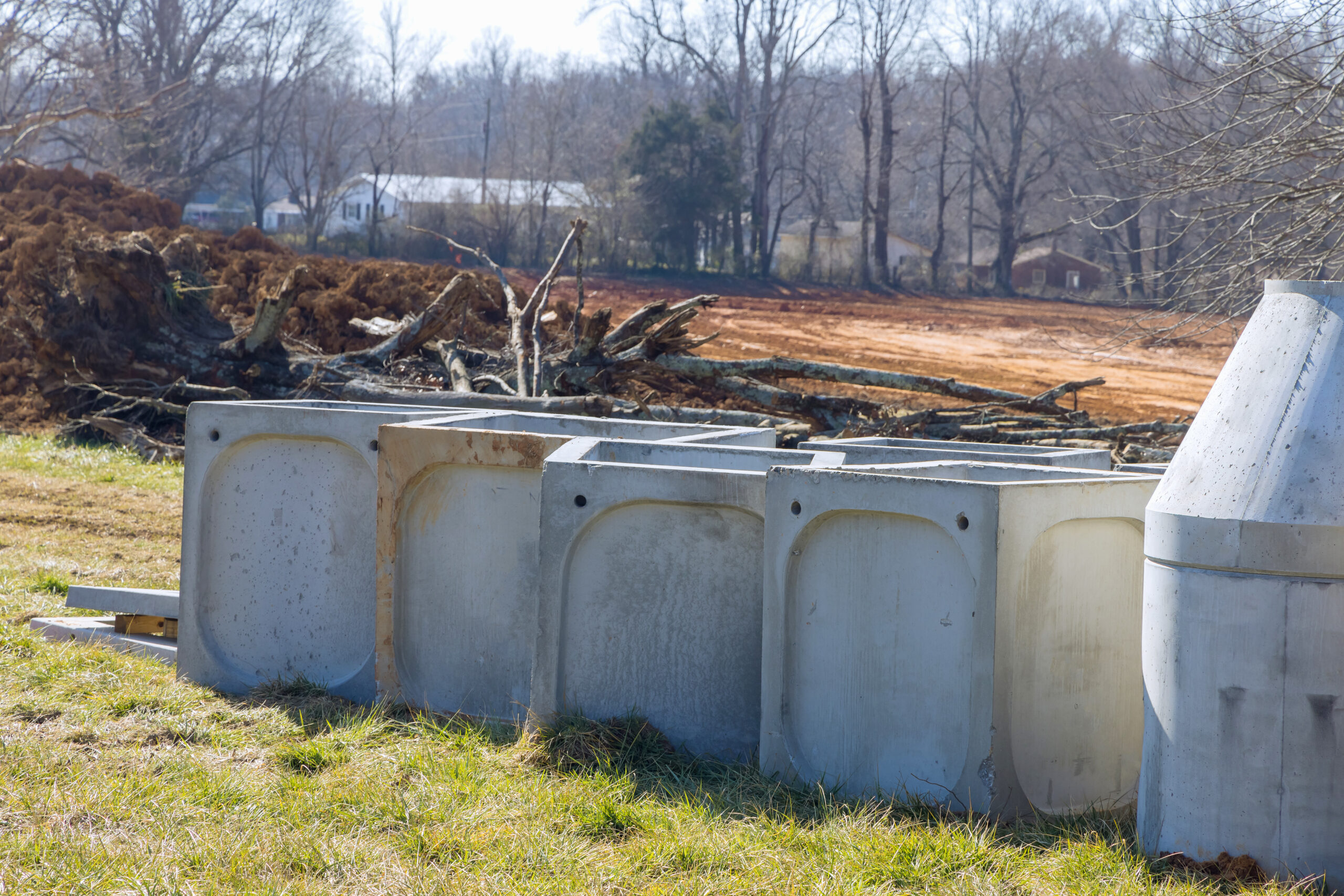
Concrete tanks cost the most ($1,500 to $3,500), but they can last 40 years or longer — making them a smart investment if you plan to stay in your home long-term.
Full Cost Breakdown: Where Does the Money Go?
Understanding each component of your septic system installation costs helps you compare contractor quotes more effectively. Here’s what to expect across the major line items:
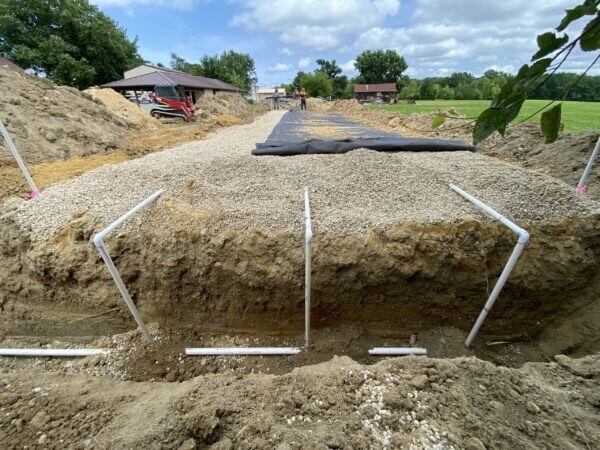
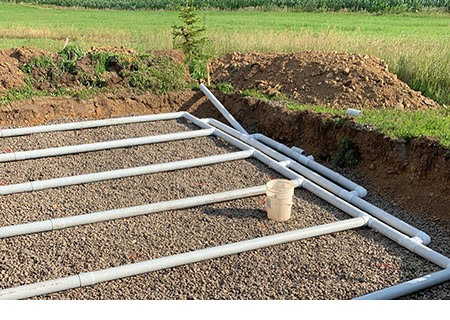
The septic tank itself runs $1,000 to $3,500, depending on material and capacity. The drain field or leach field — the network of pipes and gravel that filters the wastewater into the ground — ranges from $2,000 to $12,000.
Larger homes need bigger fields, and poor soil conditions can push this number to the higher end quickly. Excavation and backfill typically add $1,500 to $6,000, with extra costs for restoring your yard afterward. Engineering and design fees for non-standard systems run $500 to $3,000, and permits and inspections usually land between $300 and $2,000, depending on your county.
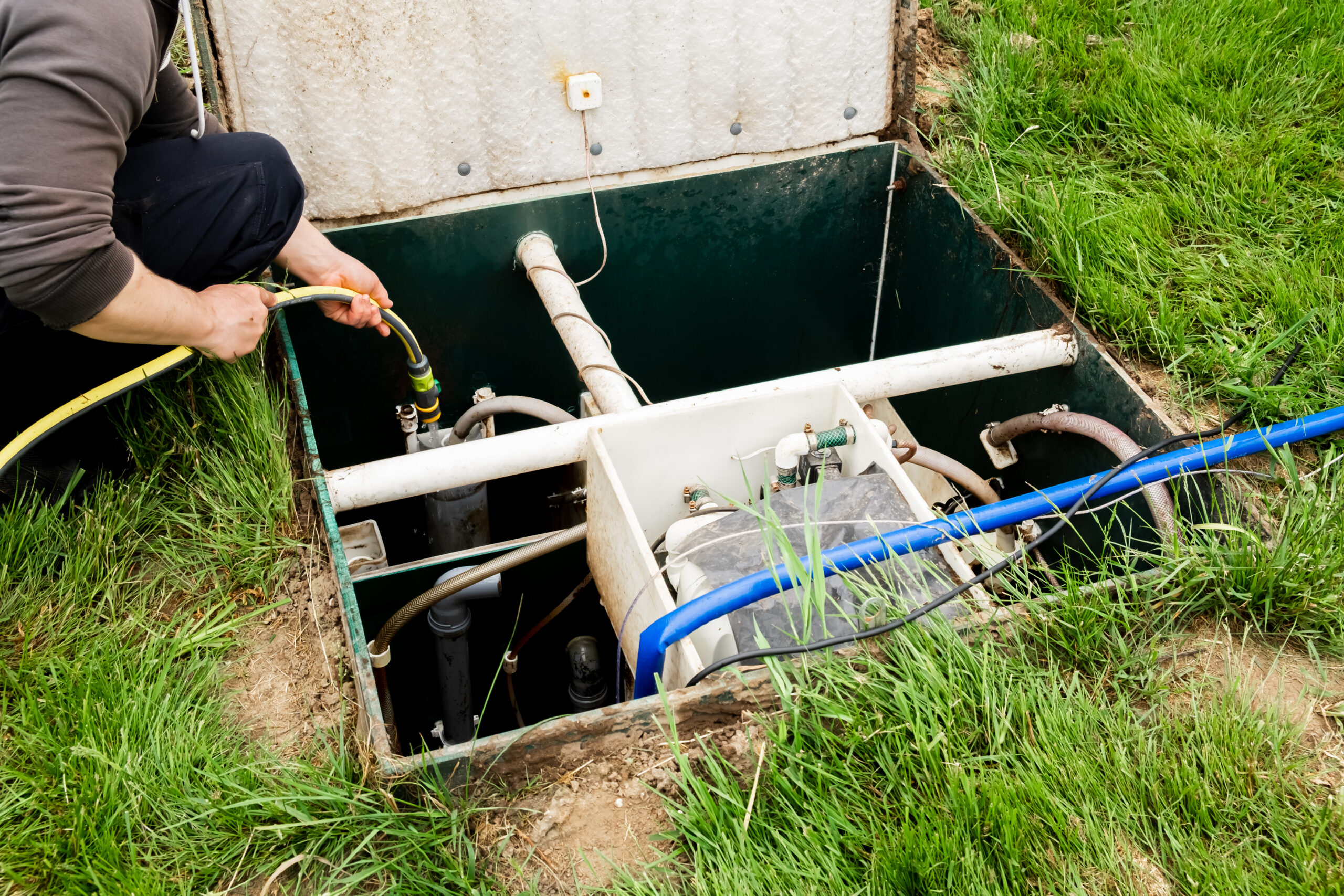
If your system needs a pump (common with mound and aerobic systems), factor in another $800 to $3,500 for electrical work and equipment.
Also Read: Why Winter Is the Best Time for a Septic System Inspection
How to Budget Smartly for Your Septic System Setup
Get Multiple Bids After the Perc Test
Skipping the soil evaluation before shopping for quotes is one of the most expensive mistakes homeowners make. Without knowing your site’s conditions, contractors can’t give you accurate numbers.
Once you have your perc test results in hand, collect four to six detailed bids. Specify materials, warranties, and a project timeline in each request so you’re comparing equivalent scopes of work. This process alone can save you quite some time on your total project cost.
Build in a Contingency Buffer
Material prices can fluctuate, and labor availability can still impact schedules. Plan for a healthy contingency on top of your contractor estimates to cover surprises like unexpected bedrock, supply delays, or site-specific system upgrades that may be required.
Explore Financing and Incentive Programs
Don’t overlook financing options. Depending on your situation, a home equity loan or similar funding option can be a practical way to cover a larger septic system installation. If you’re in a rural area, there may be government-backed assistance programs that help offset costs.
Some states and local agencies also offer rebates or incentives for low-water or environmentally friendly systems—worth asking about during your permit process.
Think Long-Term, Not Just Short-Term
The cheapest septic system setup today might be the most expensive one in ten years. Prioritizing durable materials, proper sizing, and NSF-certified components can extend your system’s life to 25 to 40 years while reducing the risk of a $5,000 to $15,000 emergency repair.
Annual pumping, which typically costs $300 to $500, keeps your system healthy and prevents premature failure.
One more tip: bid your project in late fall or early winter when contractors are less busy. Many offer lower rates during the off-season, and you can lock in pricing before spring demand drives costs back up.
Also Read: Greywater vs. Blackwater: What’s the Difference and Why It Matters for Septic Systems
Conclusion
Septic system installation costs don’t have to catch you off guard. Once you understand what drives pricing, you’re in a much better position to plan, compare quotes, and make decisions that protect your investment for decades to come.Start with a professional soil evaluation, gather detailed bids, and build a realistic budget with breathing room. And if you’d like expert guidance from start to finish, we can help you assess your site, understand your options, and coordinate a smooth, code-compliant installation process. Schedule a service today.