Good drain field maintenance is one of the smartest things a homeowner can do to avoid messy, expensive problems down the road. The best part is that it’s not a complicated process. With a few smart habits and a routine, you can keep your septic system running smoothly for a long time.
What Is a Drain Field and Why Does It Matter?
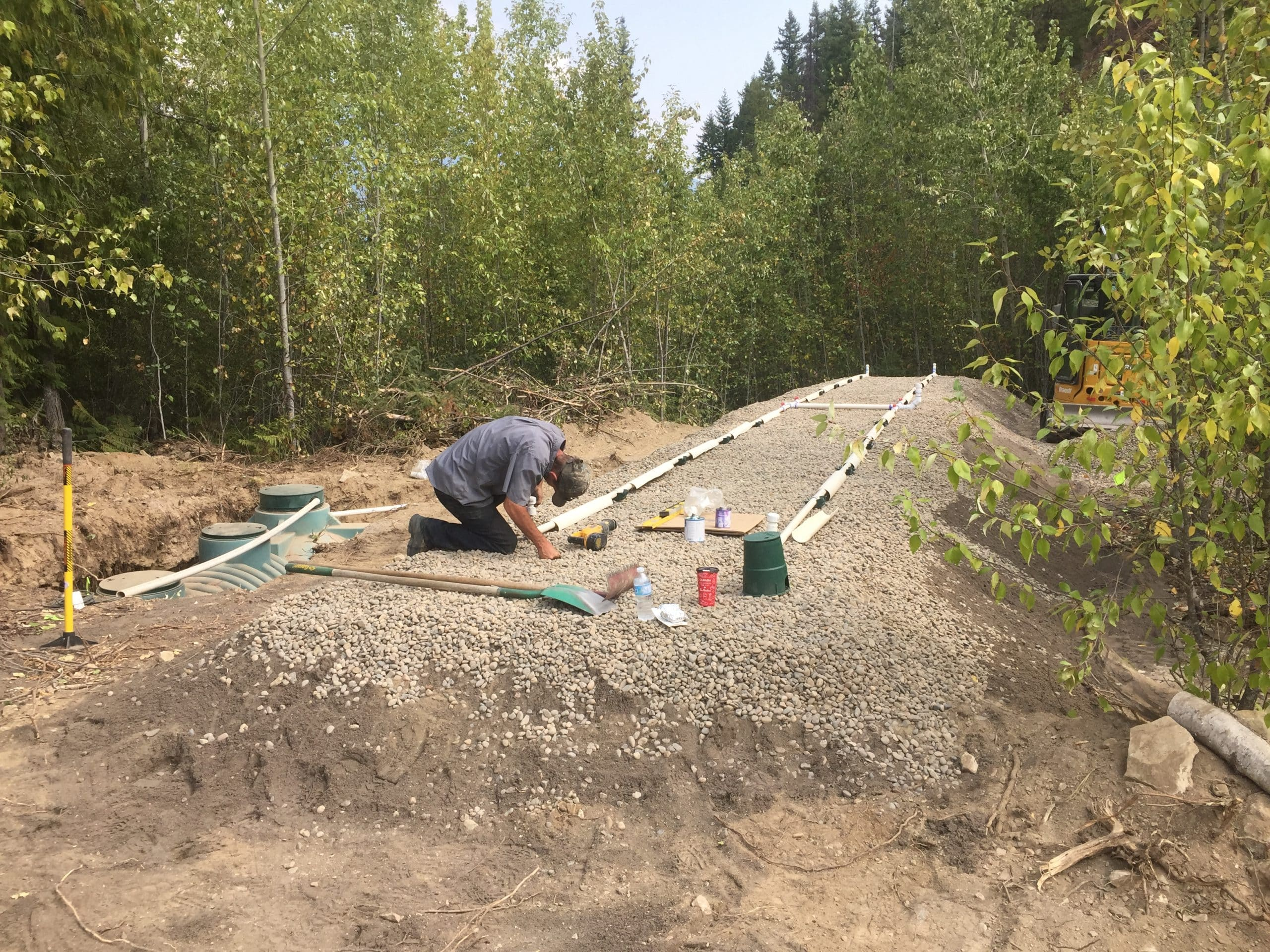
A drain field, also known as a leach field, is the part of a septic system that spreads treated wastewater into the ground.
Wastewater from your home flows into the tank first, where solids sink to the bottom, and fats float to the top. The liquid in the middle (called effluent) then moves out to the drain field through a series of perforated pipes buried in gravel and soil.
The soil then filters out harmful bacteria and pathogens naturally as the effluent seeps through the ground. When the drain field works the way it should, clean water returns to the groundwater supply. When it doesn’t, you’ve got a problem on your hands.
A healthy drain field can last 20 to 30 years. A neglected one can fail in far less time, and replacing it can cost anywhere from $3,000 to $15,000. That alone is reason enough to pay attention to septic system maintenance.
How Often Should You Pump Your Septic Tank?
Pump your septic tank every 3 to 5 years as a general rule. If your household is larger or you use a garbage disposal regularly, you may need to pump more often — closer to every 2 years.
One of the most important parts of drain field maintenance is keeping your septic tank from overflowing with solids. When too much sludge builds up, it spills into the drain field and clogs the soil, and that’s where the trouble begins.
However, a licensed pumper can measure your sludge levels during each visit and tell you exactly how often your system needs attention.
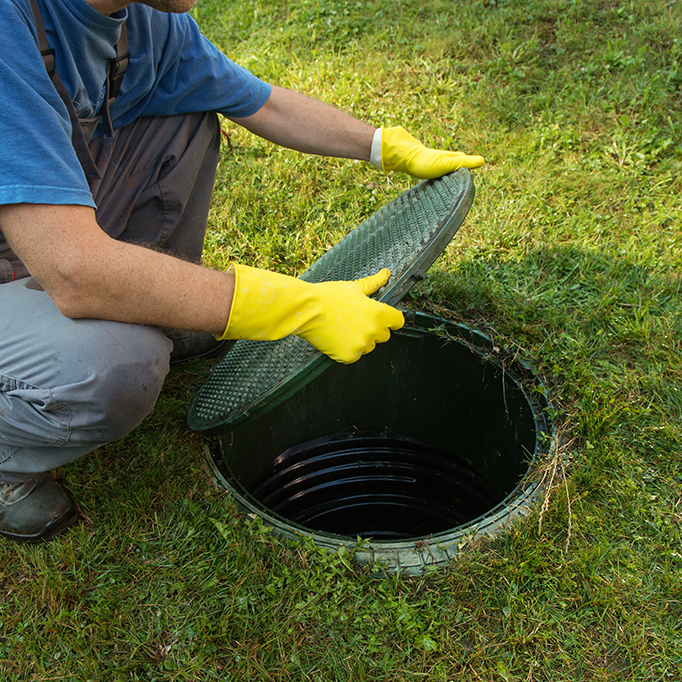
Ask them to check the inlet and outlet baffles. These small but important components direct flow inside the tank and protect the drain field from solid waste. A cracked or clogged baffle is a common cause of septic drain field problems.
How To Protect A Septic Drain Field?
Water overload can make a septic system fail by soaking the drain field and stopping it from working properly. To reduce the risk, spread water use throughout the day, fix leaks, install low-flow fixtures, and keep roof runoff away from the drain field.
Let’s look at these tips more in detail:
- When too much water rushes into the system at once, the soil gets saturated and can’t filter properly. This leads to soggy yard patches, slow drains, and bad odors.
The fix is simpler than you think. Spread your water use throughout the day instead of doing three loads of laundry, running the dishwasher, and taking showers all at the same time. Aim to keep household water use around 50 gallons per person per day.
- Fixing leaky faucets and installing low-flow fixtures like 1.28-gallon-per-flush toilets or 1.5-gallon-per-minute showerheads can make a big difference without changing how you live.
- If you live in an area that gets heavy rainfall, make sure your gutters and downspouts direct water well away from the drain field, at least 50 feet if possible. Excess surface water soaks into the soil above your field and limits its ability to absorb effluent.
Also Read: Drain Field Worms: Are They a Good Sign or a Warning for Your Septic System?
How To Protect The Ground Above Your Drain Field?
Keep vehicles, heavy equipment, and even riding lawnmowers off the drain field area. The weight compresses the soil and can even crack the buried pipes. Mark the boundaries of your field with stakes so guests and contractors know where not to park or dig.
The soil above your drain field needs to stay loose and porous. Compacted soil can’t absorb wastewater properly, which leads directly to septic drain field problems you really want to avoid.
Grass is actually the best plant cover for a drain field. It has shallow roots, helps with evaporation, and keeps the soil from eroding. Trees and large shrubs, on the other hand, are a different story. Their roots can grow directly into the perforated pipes and cause serious blockages. Keep trees at least 20 to 30 feet away from the field at all times.
What You Should Never Flush or Pour Down the Drain?
Avoid flushing anything other than human waste and plain toilet paper. Wipes, even the ones labeled flushable, do not break down in a septic system. The same goes for feminine hygiene products, cotton balls, dental floss, paper towels, and cat litter.
In the kitchen, grease is a major enemy. It solidifies inside the pipes and builds up over time. Scrape grease into a container and throw it in the trash instead of washing it down the sink. Use a strainer in your drain to catch food scraps.
Your septic system relies on billions of helpful bacteria to break down waste. Certain products kill those bacteria or physically clog the pipes, and the damage adds up faster than most people realize.
When it comes to cleaning products, be a little selective about what you use. Heavy-duty drain cleaners with lye or acid can damage your pipes and wipe out the good bacteria in your tank. Opt for gentler, septic-safe cleaners instead, and use bleach sparingly — a diluted solution once a month is fine for most households.
Also Read: How to Extend the Lifespan of Your Septic System: Expert Tips
When To Call A Professional
Watch for soggy or unusually lush patches of grass over your drain field, slow-draining sinks or tubs, gurgling sounds from your pipes, or sewage odors near the yard or inside the home. Any of these signs means it’s time to call a professional right away.
A certified inspector can run a dye test to check for leaks, inspect pipes, or probe the soil to assess the drain field’s condition. In many cases, early intervention through aeration or professional soil treatments can restore a struggling field without full replacement.
Even with great drain field maintenance, it pays to know what early warning signs look like. Catching a problem early means a simple fix instead of a full replacement.
Conclusion
Septic system maintenance doesn’t have to feel overwhelming. When you build a few simple habits — pumping on schedule, watching your water use, protecting the field from traffic and roots, and being mindful of what goes down your drains — your system will quietly do its job year after year.If you’re noticing warning signs or simply want to make sure your system is working properly, we are here to help. Schedule a service for professional inspection, maintenance, or repairs, and keep your septic system running smoothly.